
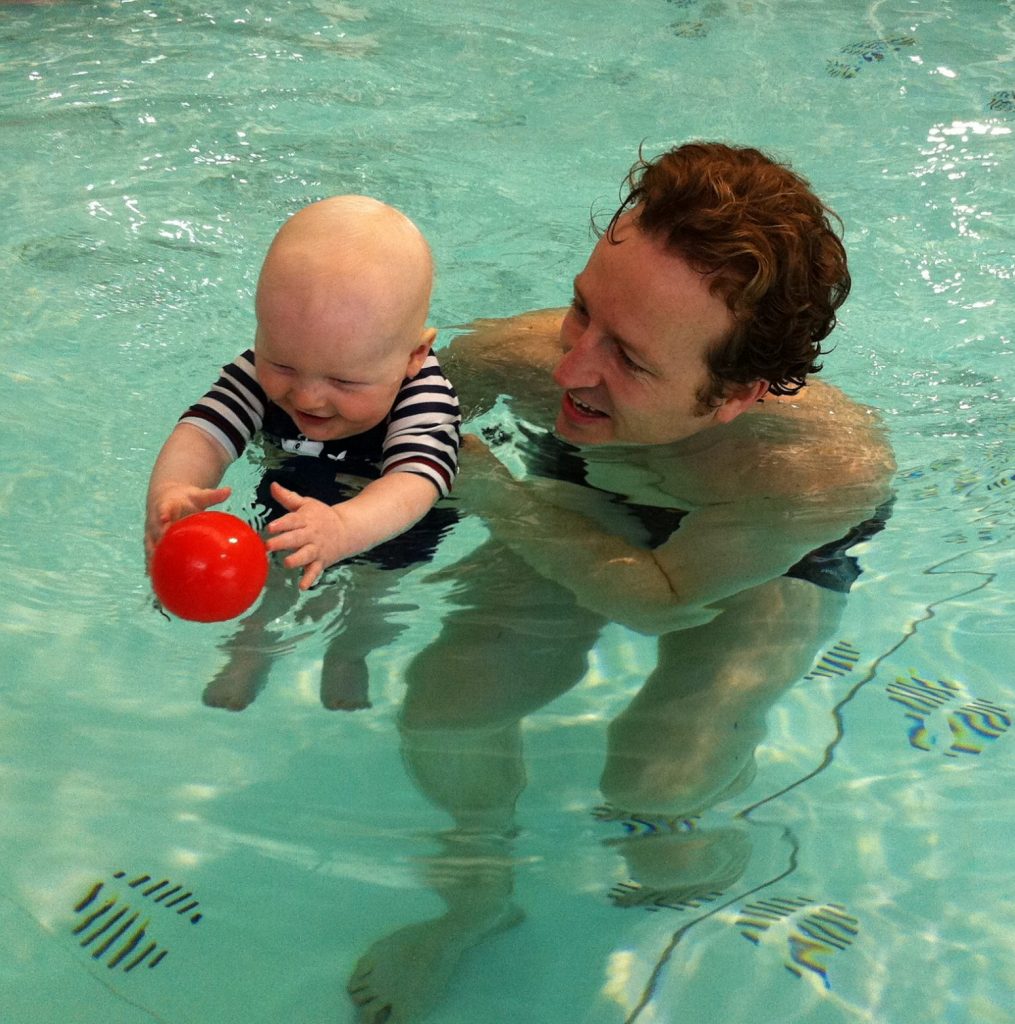
Apart from their eyes and skin, children with albinism are no different to their sighted siblings and peers. They have the same basic needs in terms of health and lifestyle – to be fit, happy and healthy with good connections to family, peers and the community. However there are some accommodations and understandings that are required to allow them to do this equally with peers.
Making links with low vision providers (eg Guide Dogs or Vision Australia) and sharing ideas and experiences with other families in the albinism community can assist you to learn strategies that will make life easier.
Further information is available below under these headings:
- Finding Solutions
- Eye health
- Postural health
- Healthy Skin
- General Fitness/Keeping Fit
- Sports
- Sporting Options for children with albinism
- Spectator Opportunities
- Personal Stories of Sporting Involvement
Finding Solutions
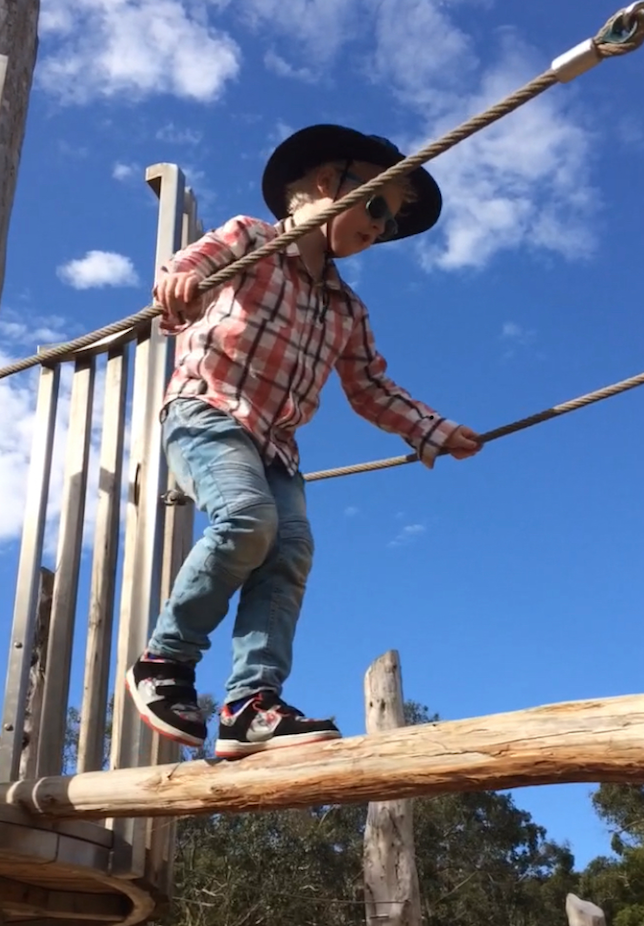
Think about the steps you will need to take, beyond what you would do for siblings, to ensure the health and safety of your child due to their albinism. Do not allow them to avoid important activities because of their vision – they are just like other children in that they will present reasons for not doing something that they find challenging. Special clothing/equipment, assistive technology, modified activity or the right time of the day can usually accommodate for most activities – work with them to find solutions.
Further discussion below from both professionals and the albinism community will give you some idea on how to support your child/children, but know that there is no one or right way to do things, as every child with albinism (and their vision) is different.
Eye Health
Eye health is important for any child, but the child with albinism has additional needs to both monitor the progress of eye development in early childhood and to protect the eye from glare and harmful sunlight. It is important to take steps to avoid any preventable deterioration of sight as every bit counts. Regular check ups with an ophthalmologist and optometrist will keep you informed about treatment options to maximise vision or pick up any other childhood conditions that may develop, such as long or short sightedness.
For more information click here: Eye Health and safelty for children with albinism (pdf) an AFA prepared document.
Postural Health
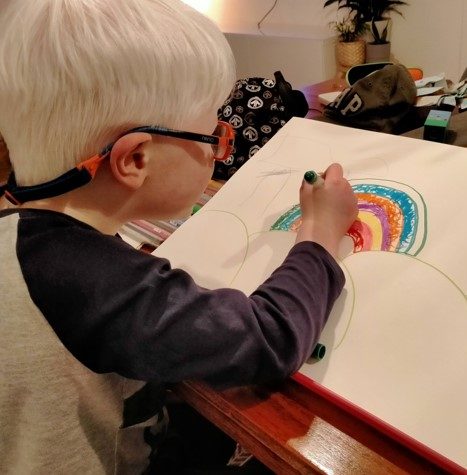
The need to have a book or screen very close to the face, frequently results in poor postural habits. Bending at the neck or back, hunching over to get closer to the screen can lead to neck and back pain and injuries over time. If possible have your child work at a table with the tablet or book on a slope board, elevated so that the text or picture is at eye level when sitting up straight. If using a tablet in the car for long trips, use cushions/pillows on the knees to lift the screen. Make sure TV’s are placed at or near children’s eye level to allow them to get close enough to see and to prevent neck strain.
Some children with albinism have a head tilt (up, down, to the side or turn side on) in order to find the “null point” or the best position for the eyes to see. Generally this is in the same place with the same head tilt, but in some children this can be random and you will see different head tilts. Do not try to stop them from doing this, as it is necessary for them to see, but make sure they are positioned in the room or at the desk to make it easier to see with as correct posture as possible.
A physiotherapist may be able to provide a series of exercises to strengthen postural muscles and reduce neck or back pain (may be claimable with NDIS if it is ongoing). In order to prevent or minimise structural problems in the future, it may help to seek the advice of an ophthalmologist as surgery can sometimes reduce or correct the head tilt by centralising the null point. This can be performed on adults and children, but generally has better results if undertaken before the nerve pathways develop fully at about 8 years.
- The Importance of Posture – By Kane Perris, Sports and Recreation Officer at VisAbility WA. Kane has albinism (OCA).
Healthy Skin
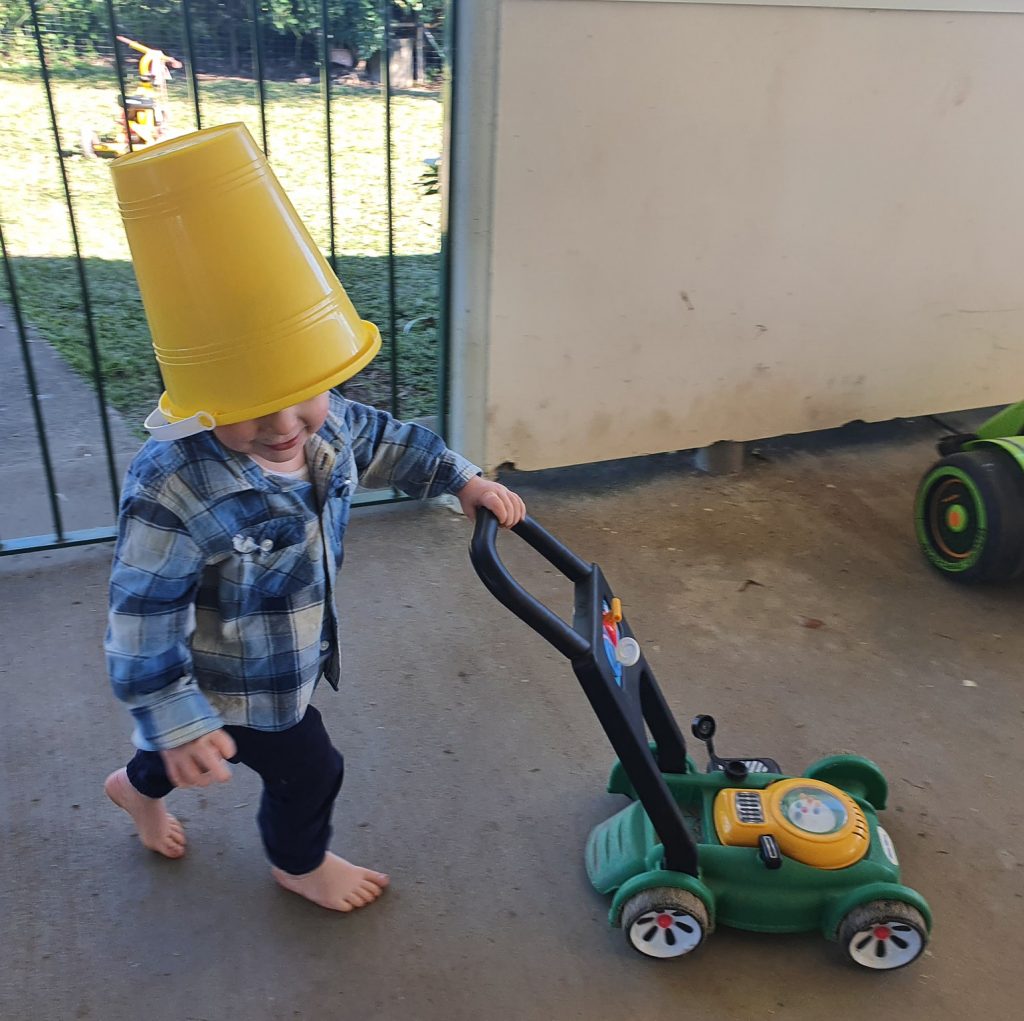
The lack of or reduced melanin in the skin of children with albinism of most types, makes them highly susceptable to sunburn, long term skin damage and development of skin cancers. The reasons for this have been discussed in the first tab “About Albinism – Skin Protection” along with general precautions.
Young babies and children rely on you for this protection and the application of a trusted SPF 50+ sunscreen will become a daily ritual all year to exposed skin. Our children can burn quickly in minutes on days of as low as level 3 UV, and protection is even necessary on a cloudy winter day.
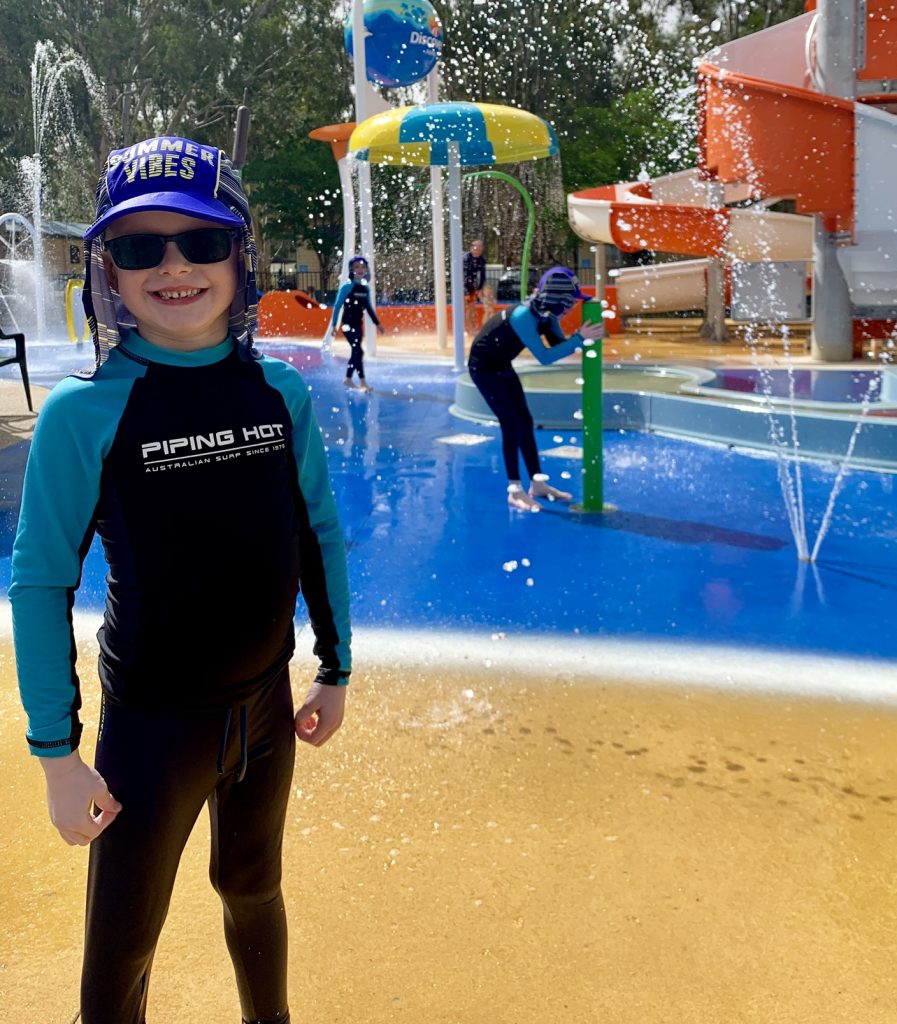
Long sleeved clothing that is SPF rated, or at least has a very close weave (difficult to see thorough when you hold it up to the light), and seeking deep shade when possible, will allow your child to participate with family, friends and peers in outdoor activities. Role modelling this yourself (and by siblings) will reinforce the need for this in young children as they are usually happy to copy those around them. Higher risk activities like swimming or pursuits in the open, are better done before 10am and after 3pm (or later in daylight saving time), wearing SPF rated clothing, including hats. Prams can be covered with shade cloth, but do be aware of overheating with the reduced air flow.
Regular checks with a dermatologist throughout life are important to detect early changes in the skin, which may be very pale in colour and difficult to see (unlike the usual brown moles or freckles in pigmented skin). Older children may not be able to see any changes, and like adults with albinism, will need to rely on someone else checking the skin for changes on a regular basis.
Resources
- The Sun, UV and You (pdf) a presentation by Dr Anita Lasocki at 2017 AFA Conference.
- Sun and skin care for people with albinism (pdf) advice from dermatologist Dr Monisha Gupta at an AFA Conference.
- Sun and Glare Protection Statement (pdf) from the AFA (may help you to explain this to others).
- Sunscreen information from Galderma (pdf) an AFA sponosr.
General Fitness/Keeping fit
Children with albinism have the same fitness requirements of all children, which are generally met in normal active play, but low vision can have an effect on the ability or keeness of some toddlers to participate in physical activity. Reduced depth perception and poor central vision can make toddlers hesitant to traverse changes in surface, to run freely or to walk downstairs (some will crawl down backwards at first) and need to be encouraged and supported to do this safely. Checking to see that their pathway is clear of obstacles or potholes, that balls are soft and brightly coloured, can ensure that they have good early experiences, keeping them motiviated to try new activities.
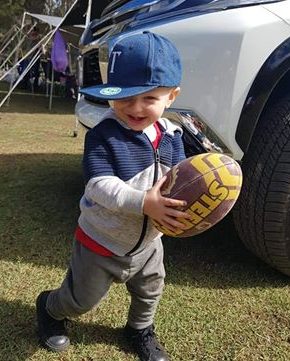
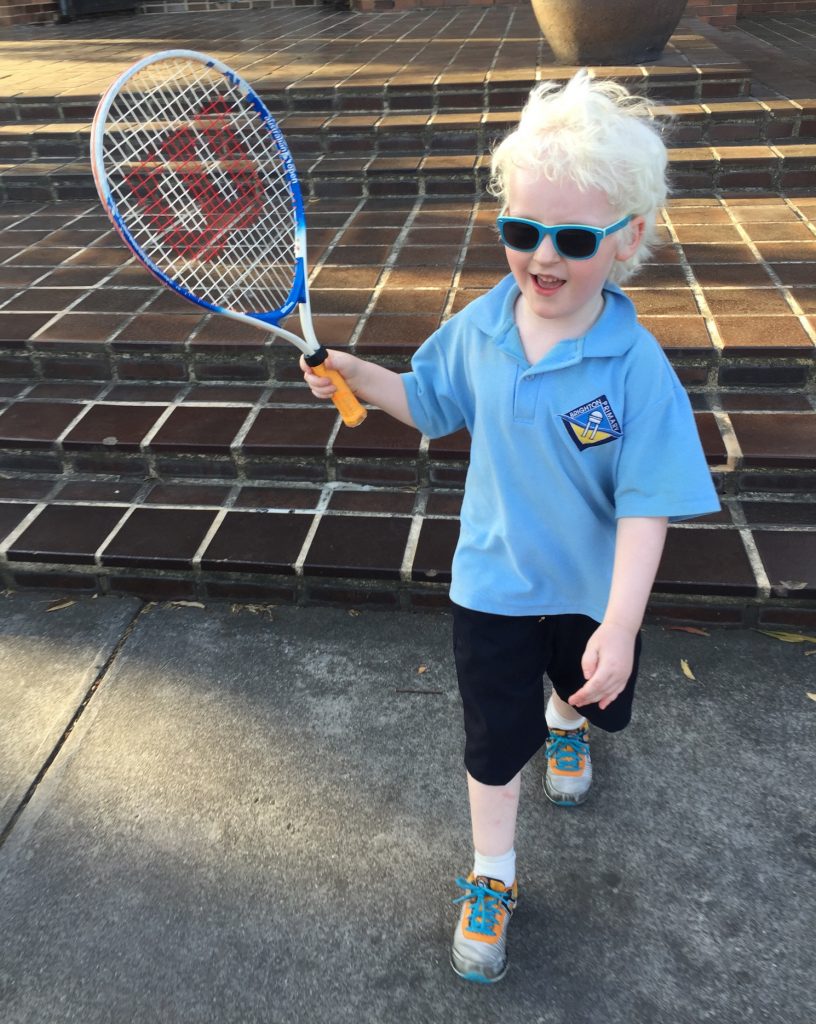
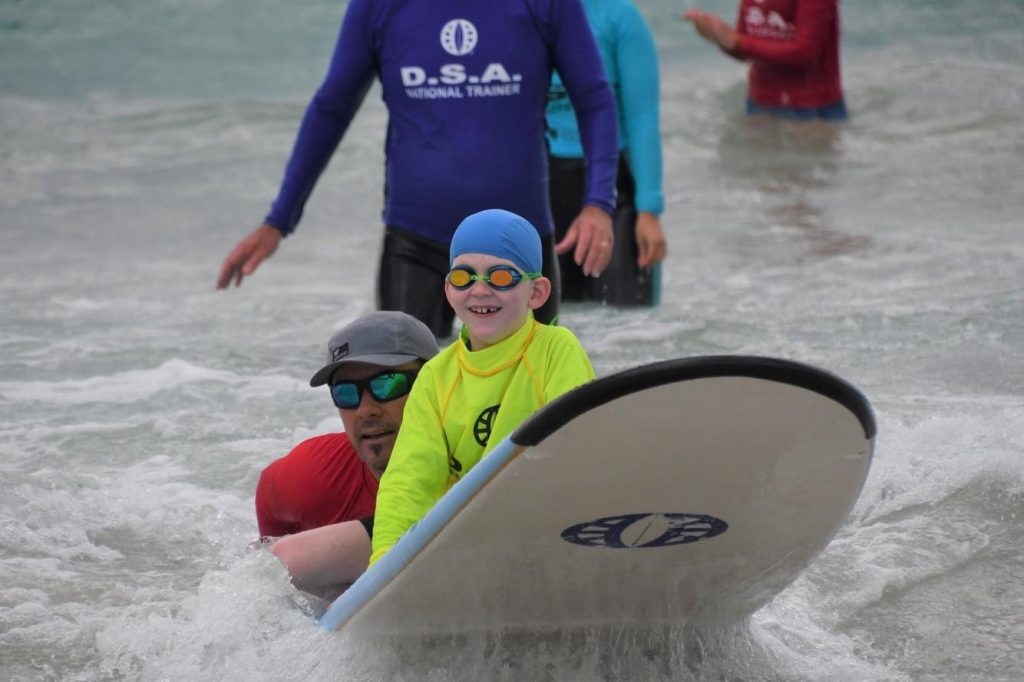
Many of our children will keep up with the generally slower paced games at kindergarten and early primary. By about 7 or 8 years of age those with lower vision may find it difficult to keep up with peers as games become faster, making it difficult to track balls and player movement. If the child is keen to do so, give them the opportunity to gain extra skills practice at home in order to be involved longer. It will be important to recognise when they can no longer participate effectively, and to guide them to suitable activitities where they can develope and maintain strength and aerobic fitness.
For more information click here: Fitness considerations for children with Albinism (pdf) an AFA prepared document
Other resources
- PE and Sport Participation for Juniors (pdf) an AFA prepared document.
- PE and Sport Participation for Teenagers (pdf) an AFA prepared document.
- Physical Education Inclusion (an SVRC video) Emily White (SVRC) presents on practical methods for including a young student who has a vision impairment in physical education.
Sports
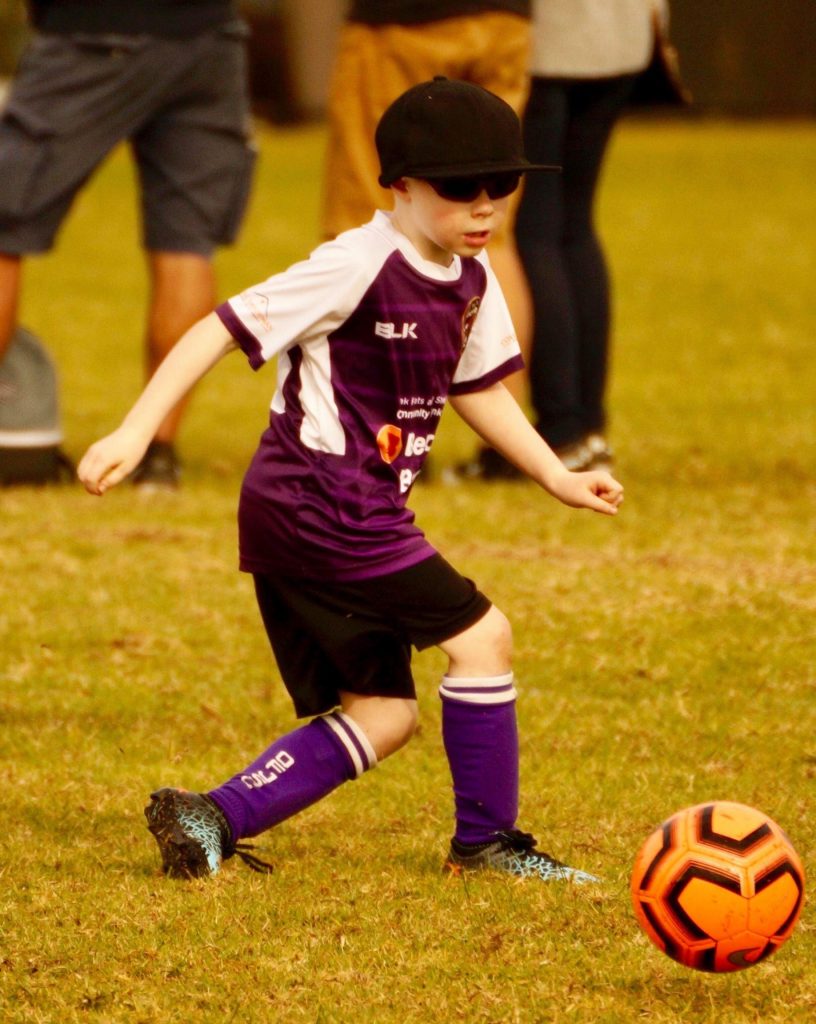
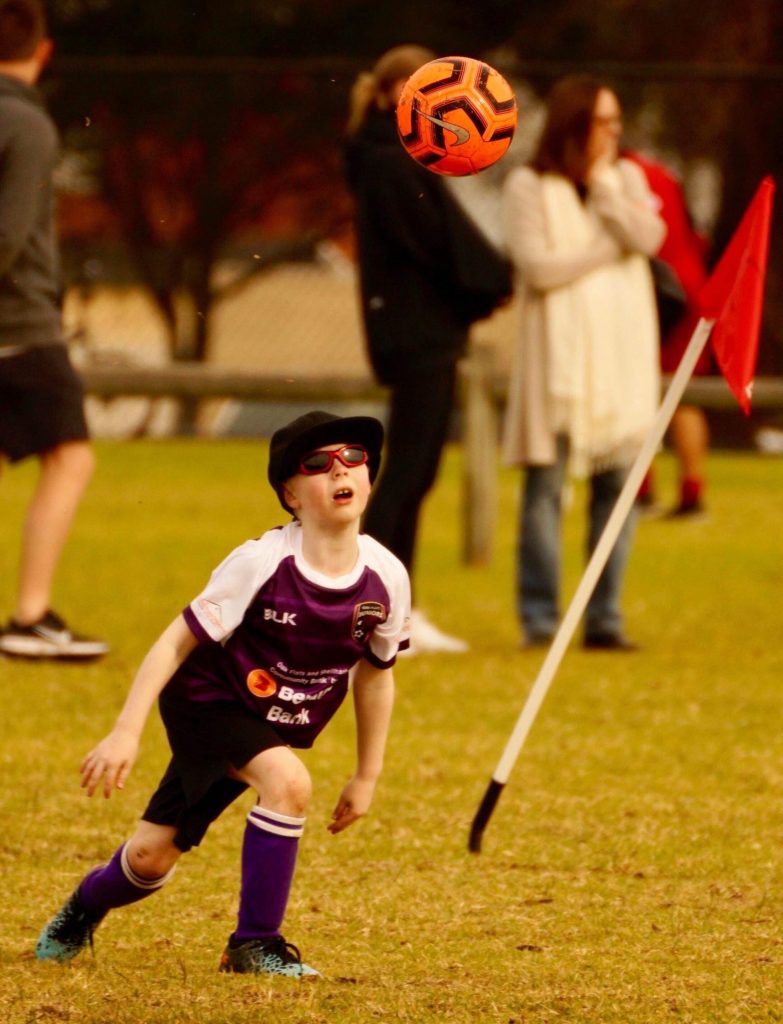
The effect that vision has on the ability to play sports in various situations or environments will vary from person to person.
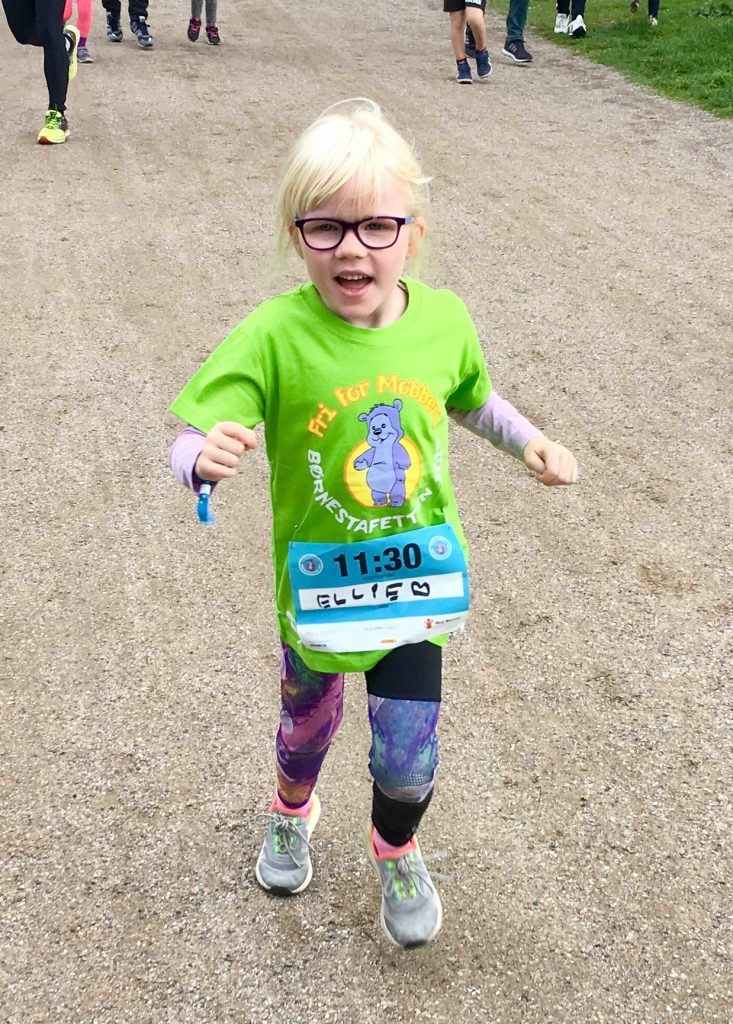
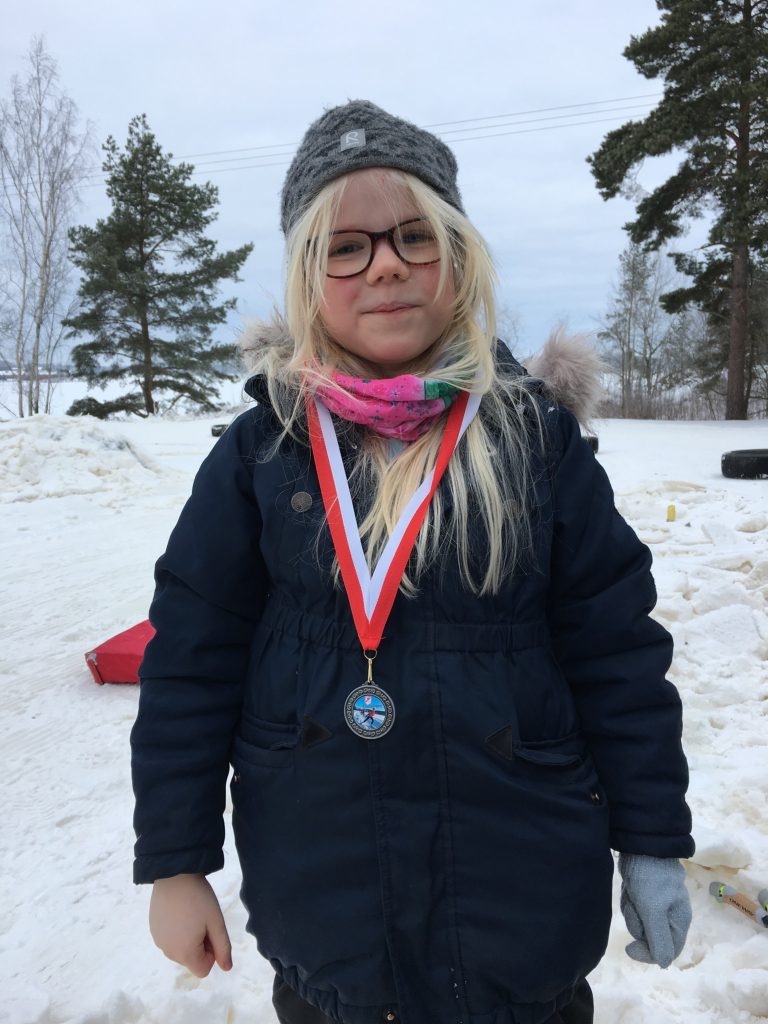
Functional vision is more important than a clinical measurement in sport participation and it may take time for your child to work out what suits them.
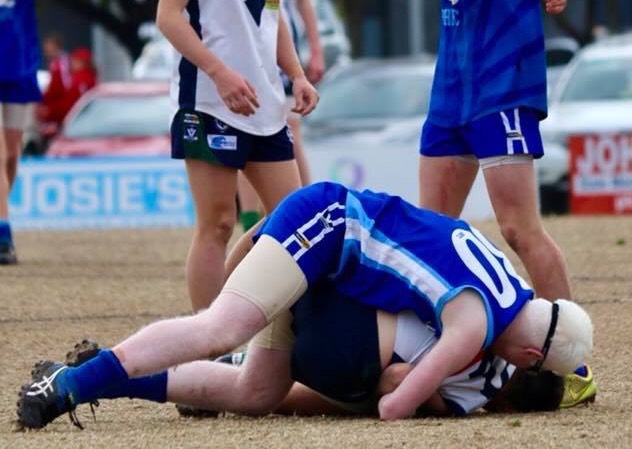
Some with better vision manage to play mainstream ball sports, with one teen even playing cricket at a youth level – he is an extremely good bowler, but is last on the batting list!
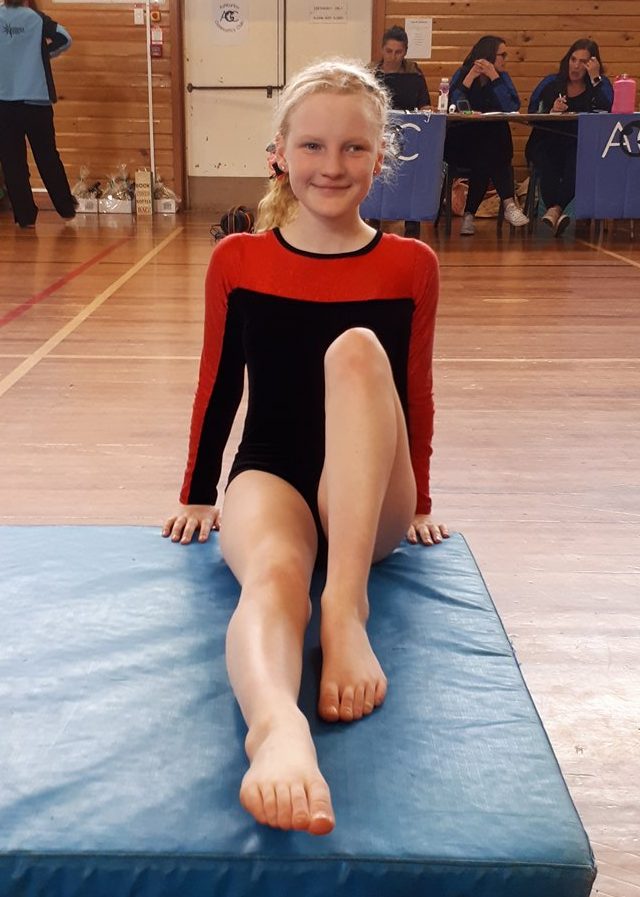
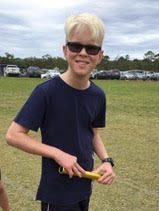
Others with lower vision will benefit from blind sports like Tennis, Cricket, Goal ball or Para Athletics and Swimming, with equipment and rules that allow them to fully participate, mixing with other children with low vision who understand how challenging sports can be. Expose your child to as many sports as possible so that they can find one that is suitable for them.
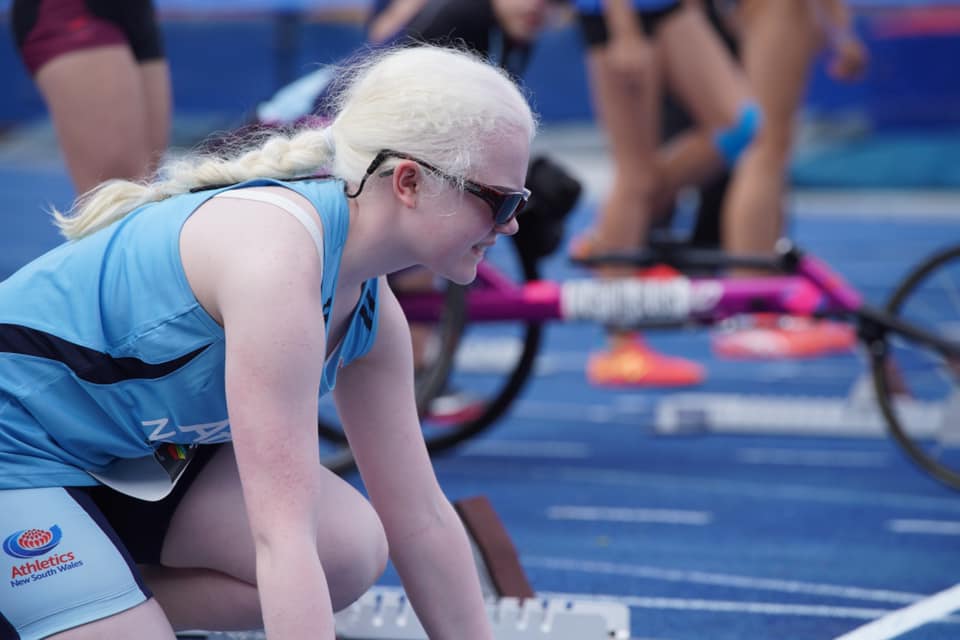
Sporting options
- Sporting options for children with albinism (pdf) an AFA prepared Document.
- Photo Gallery (pdf) AFA juniors’ sport
- Photo Gallery (pdf) AFA teenagers’ sport
- Links to low vision sporting organisations or groups
Spectator Opportunities
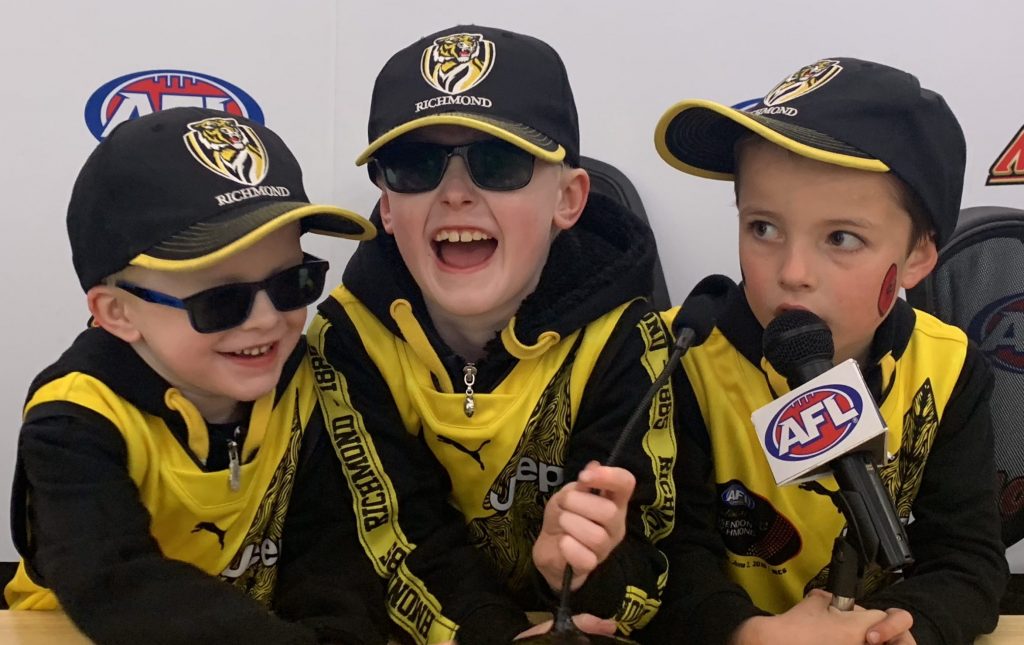
Sport can be a big part of the Australian way of life, whether we are playing it or following our favourite players or teams. There is no reason why those with low vision cannot also experience this. Following a team can be an important part of belonging to a group growing up, chatting together and socialising at local or regional games. Spectating, scoring, timing, or helping with equipment can allow your child to bond with friends and increase their social circle. If your child has the skills to use the technology, they will better be able to follow play and enjoy going to games with family and friends.
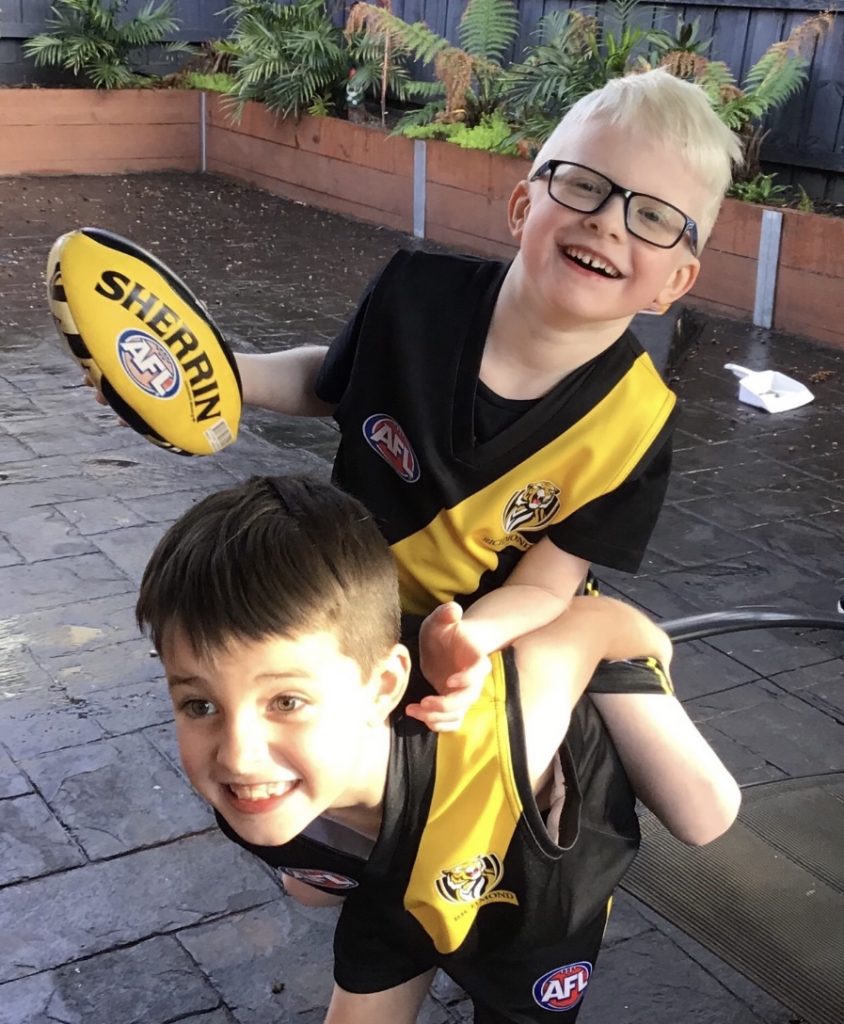
Some sports can be followed at close distance like netball or tennis, but some of the most popular ones, where children follow their favourite players, are in large stadiums. Technology will come in handy here, with the use of monoculars or binoculars (depending on preferences) for distance viewing, ear buds to listen to the called play on redio, or noise cancelling earphones for young children who cannot cope with the distracting noise. Older teenagers and adults may also use bioptics that may be funded through NDIS.
Personal Stories of Sporting Involvement
- Zara – we can achieve anything! (pdf) AFA prepared document with a message from Teen member of AFA.
- Goalball Youth World Championships 2019 (Video) Featuring Australians with albinism – Callum Saunders (Vic) and Alana Tiller (SA).
 Join us on Facebook