
Babies and Toddlers in Child Care, then Kindergarten
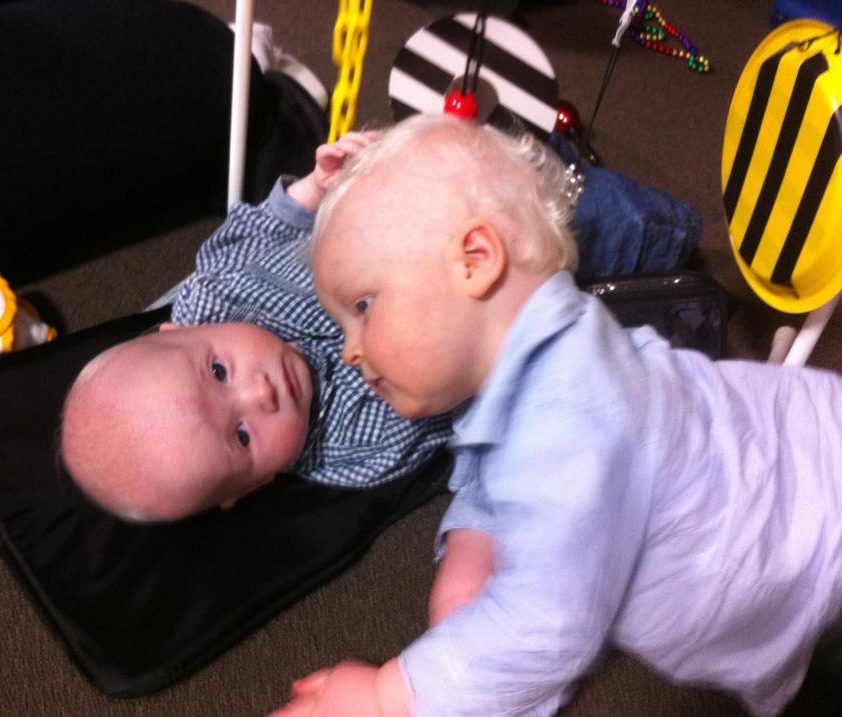
There are many things you can do at home to help your baby or toddler make the most of their vision. The greatest support for you in this goal will be through the Early Childhood Early Intervention (ECEI) program, through a provider with experience in low vision (eg , Guide Dogs, RIDBC (NSW), VisAbility in WA and Tas, Vision Australia or other smaller providers). These providers will help you understand your child’s functional vision and how it will develop in time. You will also gain support from fellow AFA members at gatherings, conferences or on our closed facebook page AFA – Community Connections.
Mobiles, toys and books with simple, high contrast, large pictures that they can easily see will help introduce them to reading and pre-reading / literacy skills, while also working on developing age appropriate independence, will assist with thier transition to Child Care.
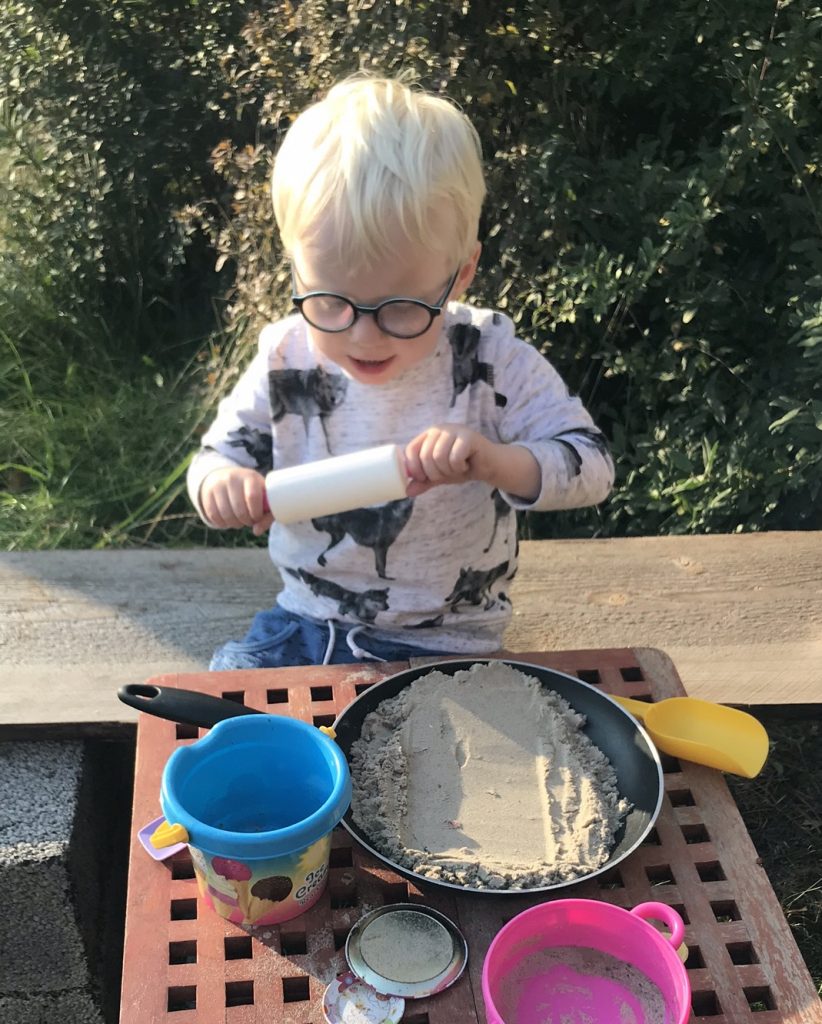
You can include “development of skills in order to transition into childcare” in your NDIS plan. Occupational Therapists (OT) and Orientation and Mobility (O&M) specialists can help your child develop movement skills and work with you and the Child Care centre as the child moves into that venue. If you are not with NDIS, you can still work with providers to prepare for this change.
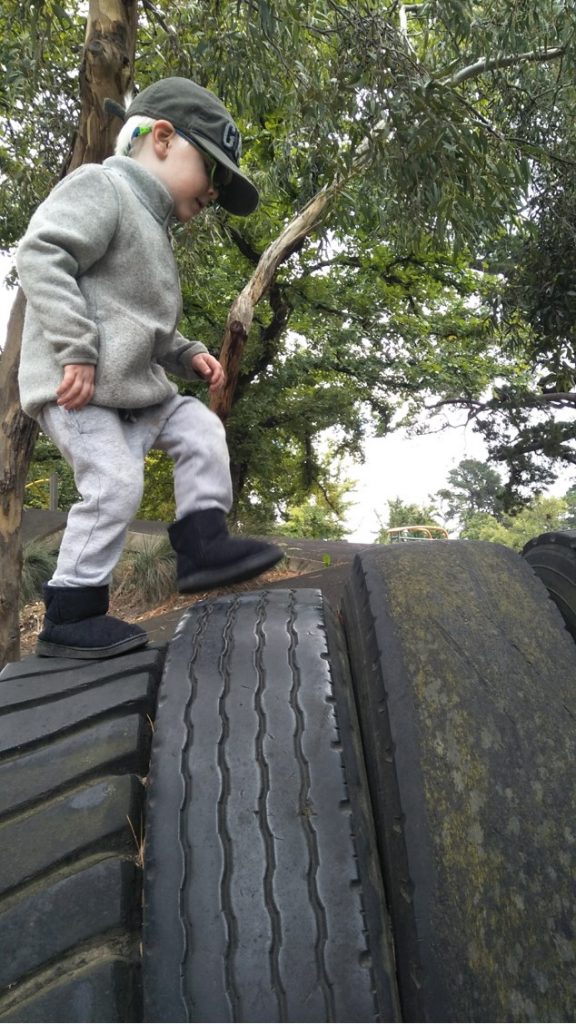
When selecting a centre to attend, meet with the director and/or teachers to explain your child’s vision and functional vision and how it affects their daily activities. How the centre responds to this will give you an idea of how they might adapt and work with providing accessibility – do also seek advice from others and go with your gut instinct!
Most centres are aware of their requirement to meet the needs of children with disabilities, and have access to funding to provide additional supervision and make environmental changes if required. An assistant for those with significant vision loss is often provided to support the child and ensure their safety in the playground, especially in their first year. See the Education Guidelines section for more information.
Resources
The following documents or links provide additional information for babies and toddlers in education.
- Baby and Toddler Childcare Staff Guide (PDF) This AFA produced document is suitable to give to staff at a childcare centre to provide general information on albinism, vision and skin care. It is also assists parents on understanding the “how and what” of accommodations which can be made at centres.
- Preparing for Kinder when your child has albinism (PDF) The content for this AFA produced document was sourced from members and educators and provides a sample list of things other parents of children with albinism have found useful.
- Sample letter to introduce your child to kinder or day care staff (PDF) This sample letter was developed by an AFA member, based on prior letters. Some parents find it helpful to also share the letter with other parents at the centre, as it promotes discussion with their own children about a natural difference and develops greater awareness, understanding and support. Please feel free to adapt it to suit your child’s functional vision, abilities and interests.
- Kinder years – working with a student who has albinism (PDF) Guide for Kindergarten / Child Care teachers and assistants. This AFA produced document is designed to give to the kindergarten/centre and your child’s teachers prior to the first day of attending – one page to be easily read by busy teachers and can be posted on a staff board for itinerant/relief/replacement teachers to read.
- What to look for in books for little children with albinism – (pdf) by Elizabeth Beales (library technician and PWA)
- Books for you and your children – (pdf) recommended by AFA members.
- Australian Government – Childcare Finder: for information on childcare, including how to check the quality of individual centres.
- How to choose a Kindergarten – Education Victoria
 Join us on Facebook