

Connections to family, peers and the community; being able to participate, enjoy activities and develop both social and recreation skills are important to all children. For children with albinism this can be challenging, but simple accommodations and understandings will allow them to participate in friendship or community groups. Understanding what they can and can’t see in different conditions (functional vision) will assist parents in making decisions or guiding their children to achieve good health and lifestyle. Encourage them to not give up when challenged, working with them to find a solution that allows them to participate.
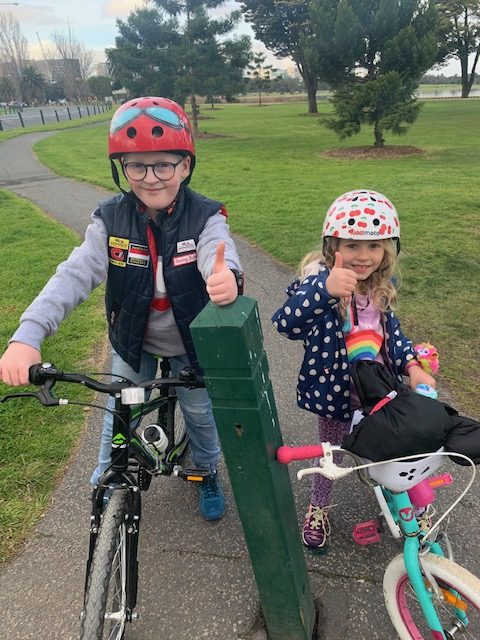
Many adults with albinism say that having their parents encourage or expect them to do everything that their siblings did, joining in with all family activities and being part of friendship and community groups, allowed them to develop fully as individuals, especially when it was challenging. Making links with low vision providers (eg Guide Dogs or Vision Australia) and sharing ideas and experiences with other families in the albinism community can assist you to learn strategies that will make this easier.
Further information is available below under these headings:
- Finding Solutions
- Self Advocacy, Resilience and Developing Independence
- Friendship Groups, Leisure Activities and Community Interaction
- Music and the Performing Arts
- Driving Issues and Bioptics
- Technology at Home
- General Resources
Finding Solutions
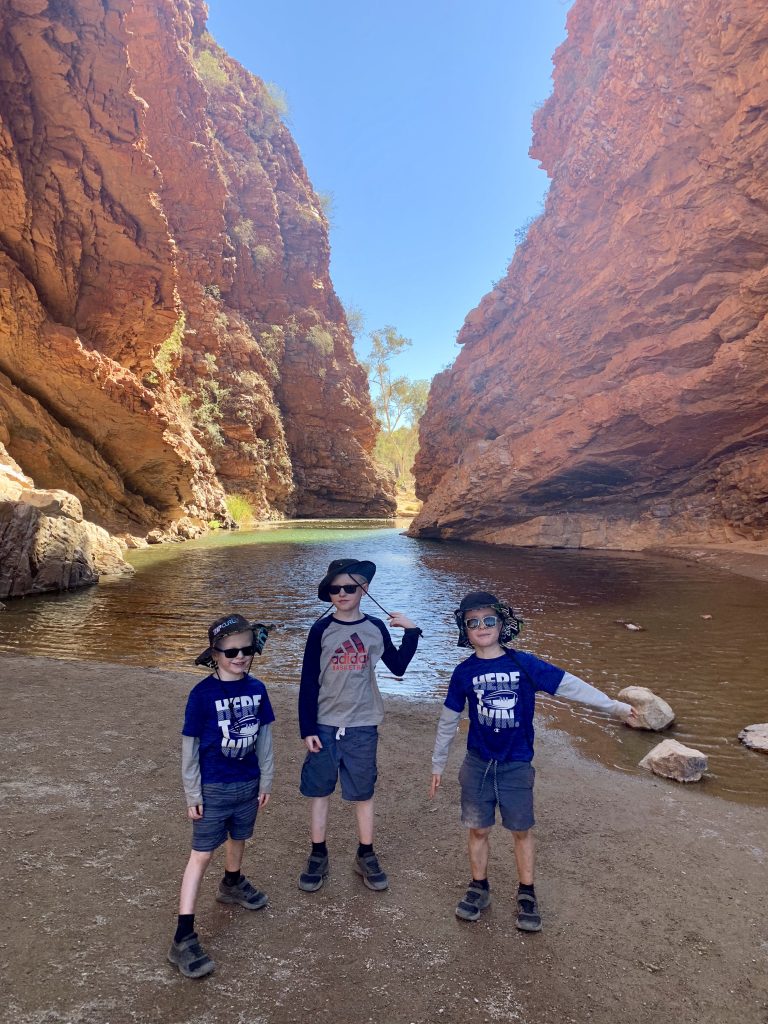
Think about what your child may miss out on because of their vision or the need to seek shade; then work with them to find a solution. Do not allow them to avoid important activities because of their vision – they are just like other children in that they will present reasons for not doing something that they find challenging. Special clothing/equipment, assistive technology, modified activity or the right time in the day can usually accommodate for most activities.
Further discussion below from both professionals and the albinism community will give you some idea on how to support your child/children, but know that there is no one or right way to do things, as every child with albinism (and their vision) is different.
Self-advocacy, Resilience and Developing Independence
Developing self-advocacy, resilience and independence is important for all children, but even more so for those with albinism in order to overcome some of the challenges that low vision and looking “different” presents. As you will not always be with them, it is helpful to work with them to find solutions, even as toddlers. Role model positive discussions around albinism, answering queries or insensitive commments with empathy and positivity – reinforce to your child that having albinism is OK.
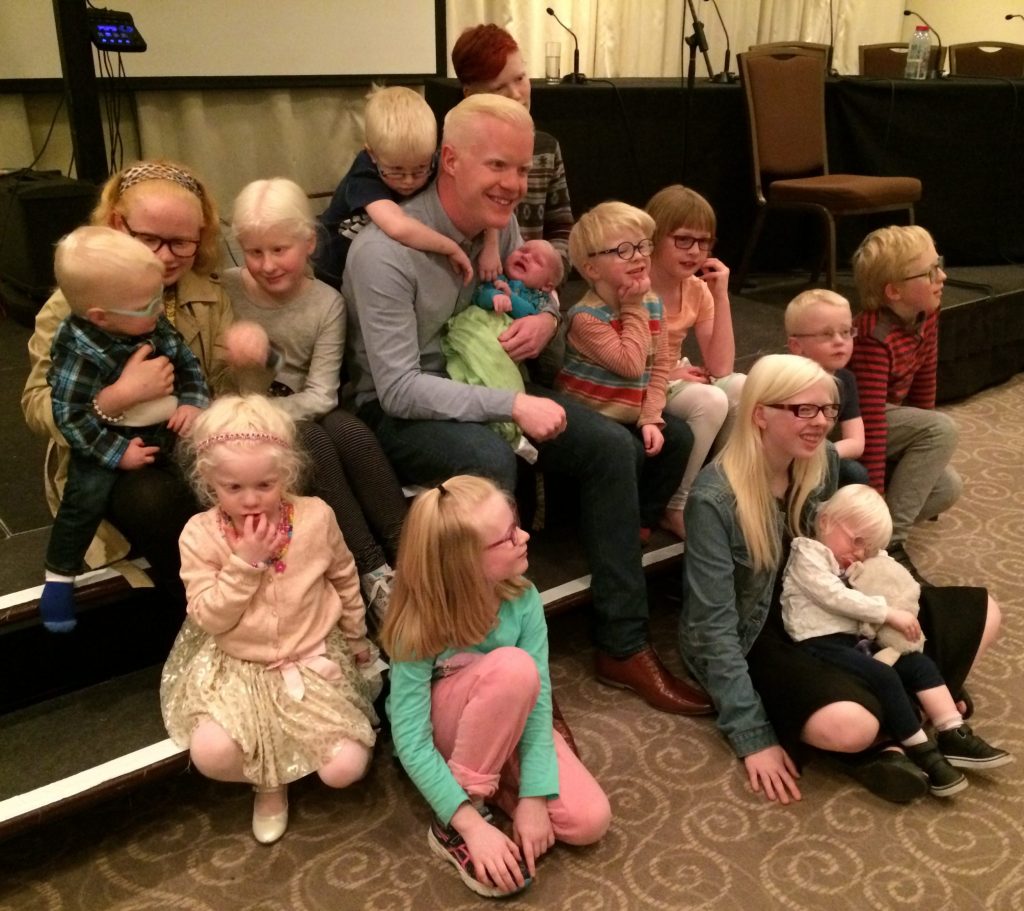
Taking up the opportunity for them to meet with other children with albinism at AFA events will also give them comfort in knowing that they are not alone – there are others like them to learn from and with. It is only natural for you to experience concerns, doubts or even fears about your child’s future in the early years after diagnosis. You may benefit from discussing these with family and others in the albinism community, developing your own resiliency, out of earshot of the child with albinism and young siblings.
Further discussion below from both professionals and the albinism community will give you some idea on how to support your child/children, but know that there is no one or right way to do things, as every family and every child with albinism (and their vision) is different.
- Who am I? I am a person who happens to have albinism (pdf) An AFA prepared document for children and teenagers.
Andrew Fuller presented on Resilience at the 2017 AA conference and provided these notes for our use (pdf).
- A Brief Guide to Increasing Resilience – Creating Lives where People are Connected, Protected & Respected: Andrew Fuller & Andrew Wicking
- The Resilient Mindset – Key actions for students, parents and teachers : Andrew Fuller and John Hendry
- Creating Resilient Families – This brief quiz will give you an idea of some of the strategies that build the Resilient Mindset: Andrew Fuller.
- Depression Proofing Your Kids – Andrew Fuller
- How to be Happy – Andrew Fuller. Commonsense advice for Teens (and adults)
- More information is available on Andrew’s website
Other Resources:
- How I learn – supports seconary aged students to develop their self-advocacy skills, setting them up for success at school and beyond. (from VisAbility WA website)
- My Story part 2 by Blonde Whimsy. A message to parents – be your child’s voice, be positive, equip them to deal with unwanted comments and show them what they CAN do!
- A Note from the Grownups by Blonde Whimsy. Advocacy and education helps others understand what frustrates those with albinism.
Friendship Groups, Leisure Activities and Community interaction
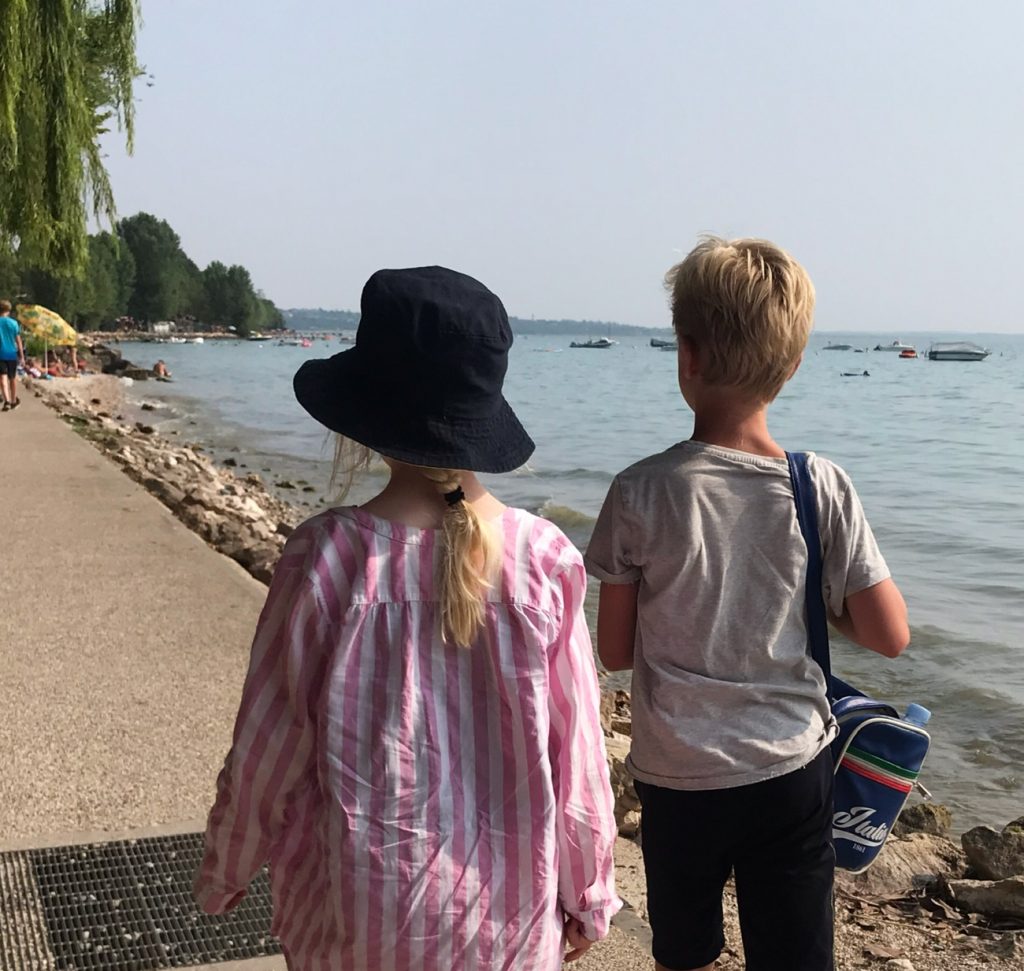
Social and community interaction can be difficult for young children with low vision who cannot see facial expressions and often invade other people’s personal space in order to see. Even the very young child will benefit from interacting with groups of peers in playgroups, childcare, preschool and kindergarten. Parents and teachers can assit them to understand the “rules” of personal space, social distancing and role model/teach how to self advocate without offending others. It is also important for them to understand that this will vary depending upon different circumstances – with family, close friends, people they know or with strangers.
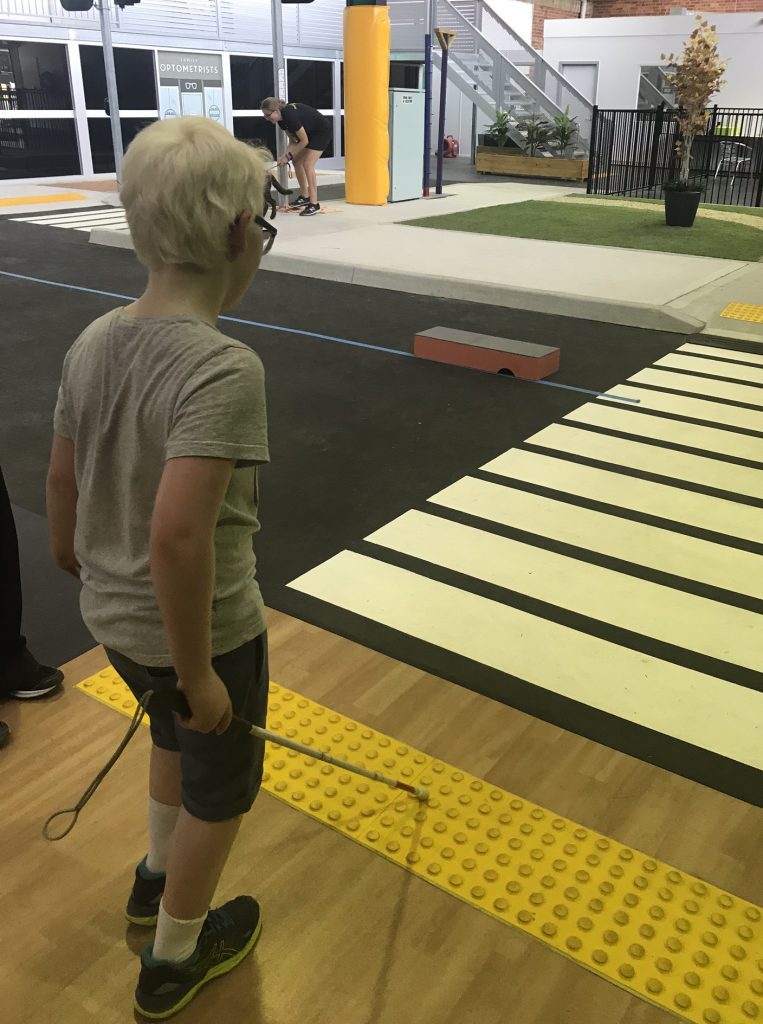
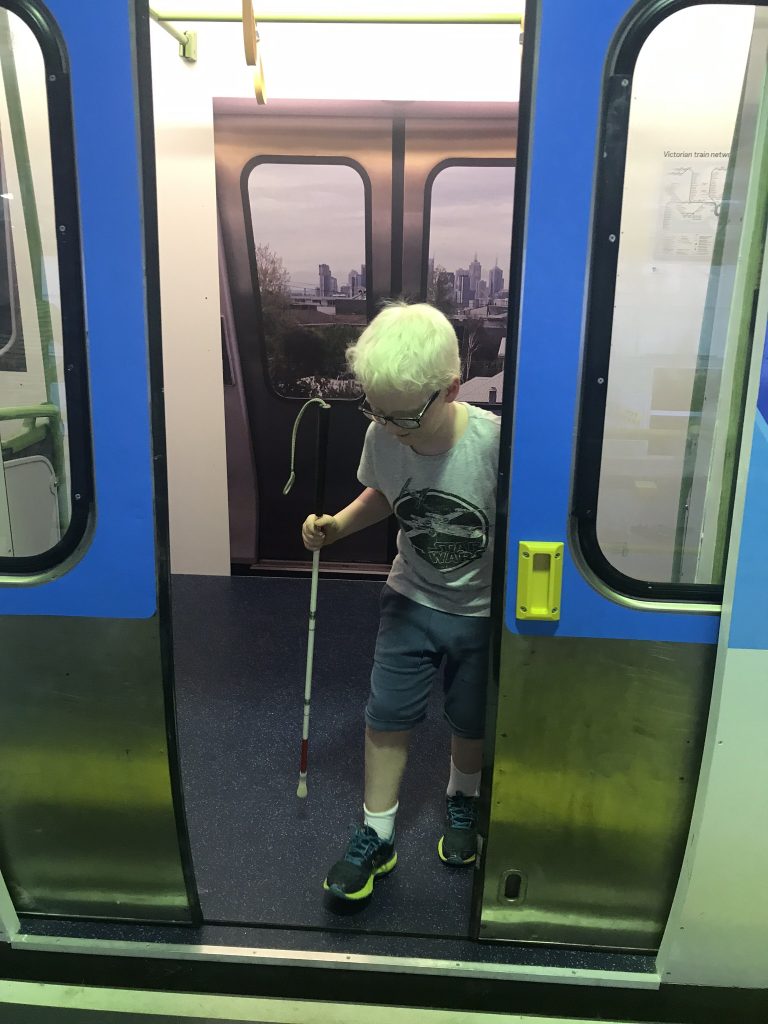
Orientation and mobility training is important in assisting your child to move around independently so that they can eventually be part of a peer group without adult support. Age appropriate training in stair use, negotiating changing surfaces, cane use in new or unpredictable areas, crossing busy roads (with and without lights), using public transport, all equip your child to gradually increase their time alone with peers. It is important to provide opportunities for them to gradually and safely increase this indepencence and have expectations that they will do most things that their siblings and peers do.
Take them to school plays, the movies, theatre or musicals as you would their siblings, making sure they have the equipment that will help make it more enjoyable. As with sport spectating, young children may benefit from noise cancelling headhones, while older children can use monoculars, binoculars or bioptics, allowing them to see details on stage at live shows or music concerts. Those with very low vision may also benefit from audio description, increasingly available for movies or live shows. Those with low vision may also qualify for a companion card, giving free entry for an accompanying adult.
- Who am I? I am a person who happens to have albinism (pdf) An AFA prepared document for children and teenagers.
- Photo Gallery (pdf) – AFA children at leisure
Music and the Performing Arts

Low vision is not a barrier to enjoying or playing music, dancing or performing on stage. Adaptations may need to be made to cope with stage lighting and these are discussed in articles below. Some of our older musicians grew up using braille music and while this is still used by some with very low vision, technology has allowed access to enlarged sheet music on screens.
Children with low vision can play most instruments, some with outstanding success, and there are many examples of teens and adults singing, dancing or performing in musicals or dramas on stage or in film. If they are performing as a young child, take the time to discuss their vision with the teacher/director so that they understand the challenges and can work to accommodate for them. Encourage an older child to advocate for themselves, initially with your suppport if necessary.
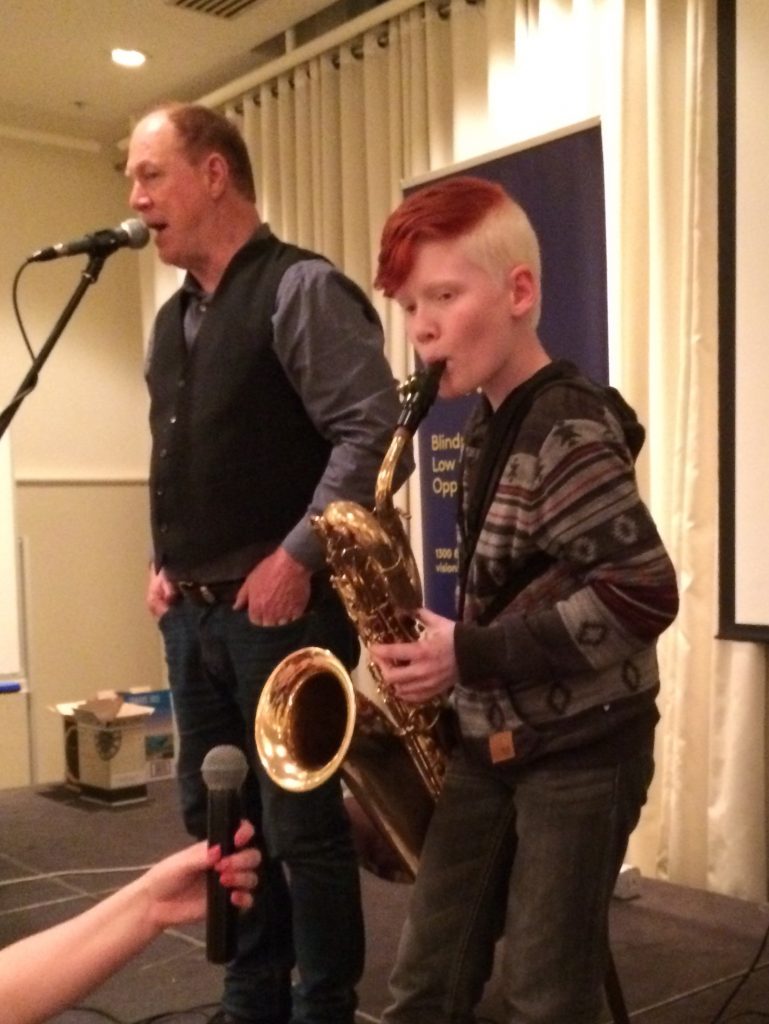
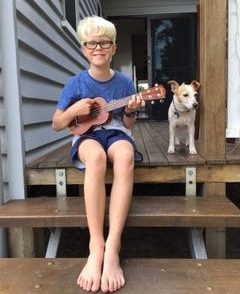
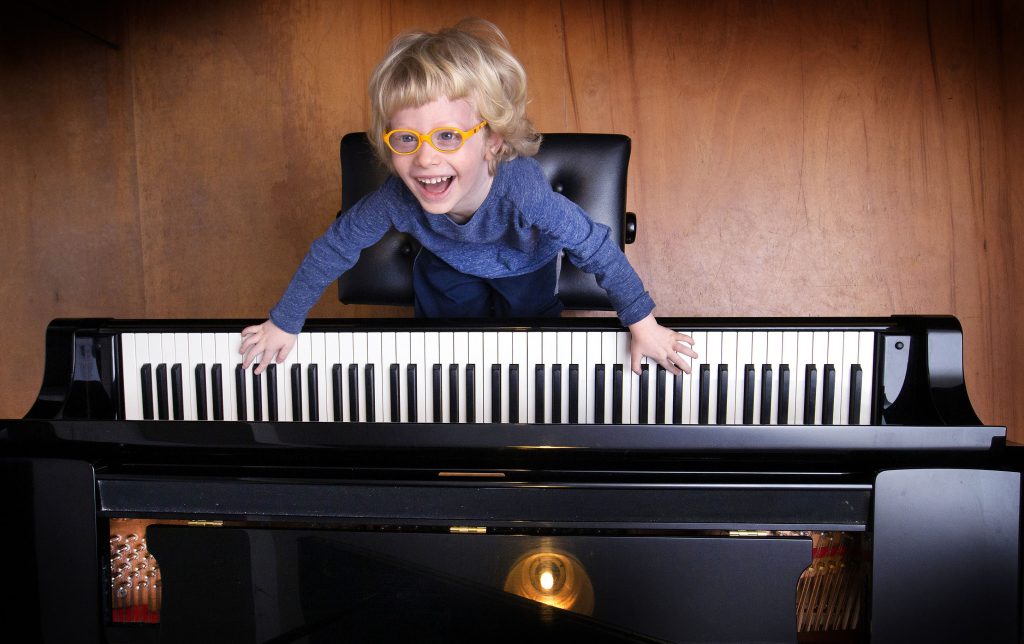
Marina Connelly, one of our very accomplished musicians, has this advice to parents and children. “To vision-impaired students of music – my message to you is to persevere, because it is possible to participate in such a sustaining experience, as anyone else can, just with some extra tricks up your sleeve. To parents of vision-impaired children – there is every reason your child will be able to participate in music, and it is likely to bring a huge benefit. I would say, first and foremost, get your child singing – it promotes friendship, community, knowledge of the body and the body in space, and a sense of mastery. And singing is perhaps the most accessible instrument of all!”
See stories or advice below about success in this area.
- Tips for musicians with low vision (pdf) by Melissa Baldwin (PWA)
- Music is part of my life (pdf) by Marina Connelly (PWA)
- Music for Children, Teens and Beyond – (pdf) by Dr Barbara Williams Phd, (PWA) retired music teacher.
- Amazing opportunities and experiences in modelling and acting, (pdf) by teenager Lucy Carpenter.
Driving Issues and Bioptics
Obtaining a licence for most 18 year olds is a major event, but unfortunately at the moment (2020) it is beyond the reach of many with albinism. In most states your vision measurement needs to be 6/18 or better to be assessed by a medical practitioner as “fit to drive” and qualify for a learner’s permit. Some adults with albinism do have a driver’s licence and drive competently in all situations and conditions, while others limit their driving to what they feel comfortable with. In 2020 at least 2 adults have been assessed as fit to drive with a bioptic in NSW, although this is rare.
- Driving Issues and the use of Bioptics to Drive (pdf) an AFA prepared document
- Bioptic drivers Australia – visit their website for more information.
Technology at Home
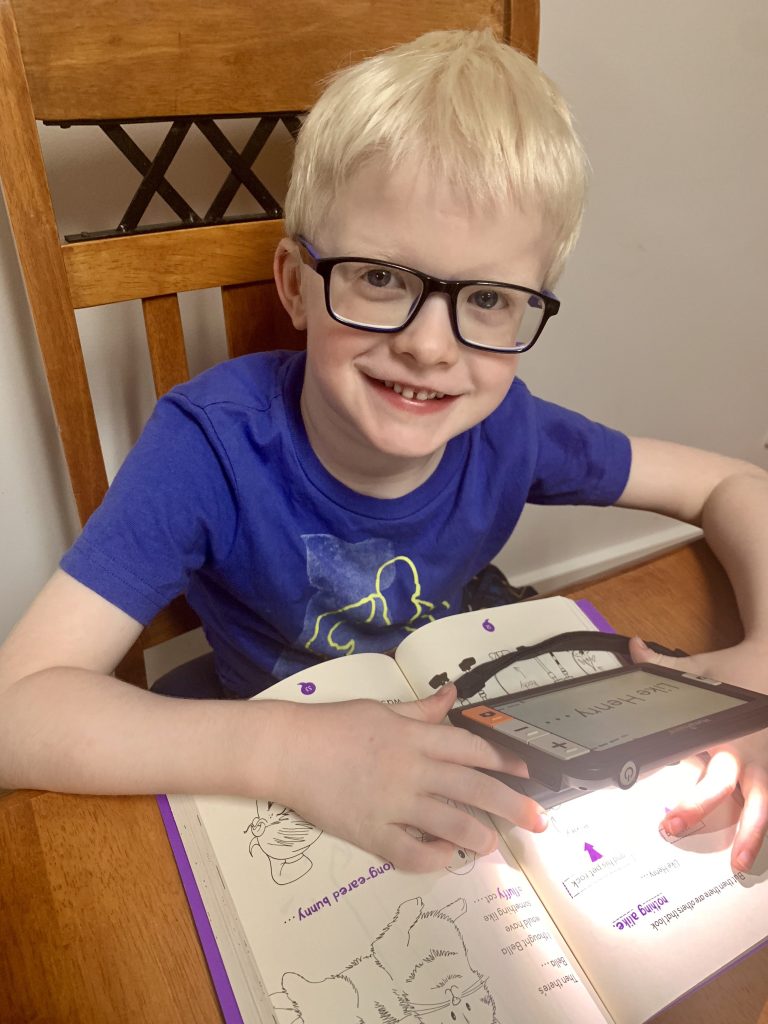
Having the correct technology at home to enable your child with albinism to read easily and confidently is very important. Smart phones, tablets and computers are now commonly in use by most families, but not everyone is aware of the “accessibility options” found on these devices that assist those with low vision (see a list of some of these below). Any devices, software or apps that are specifically designed for those with low vision are collectively referred to as “assistive technology” (AT). Children with albinism who meet eligibility requirements should be able to purchase these through the NDIS for use in the home (but not for schoolwork), in order to meet stated plan goals (see the section below). Vision support units in each state will arrange for the use of AT at school (see the education section on this site).
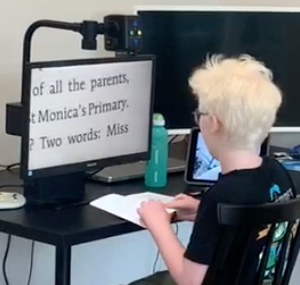
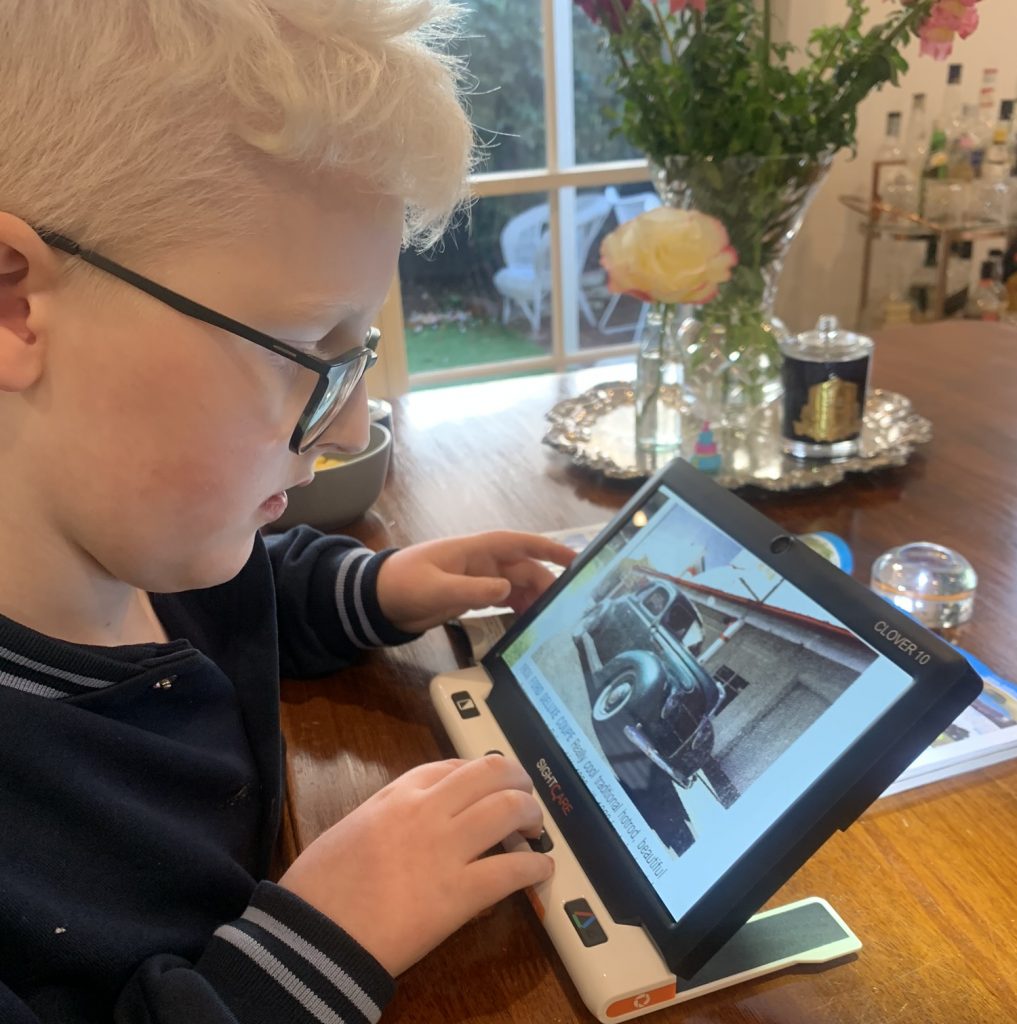
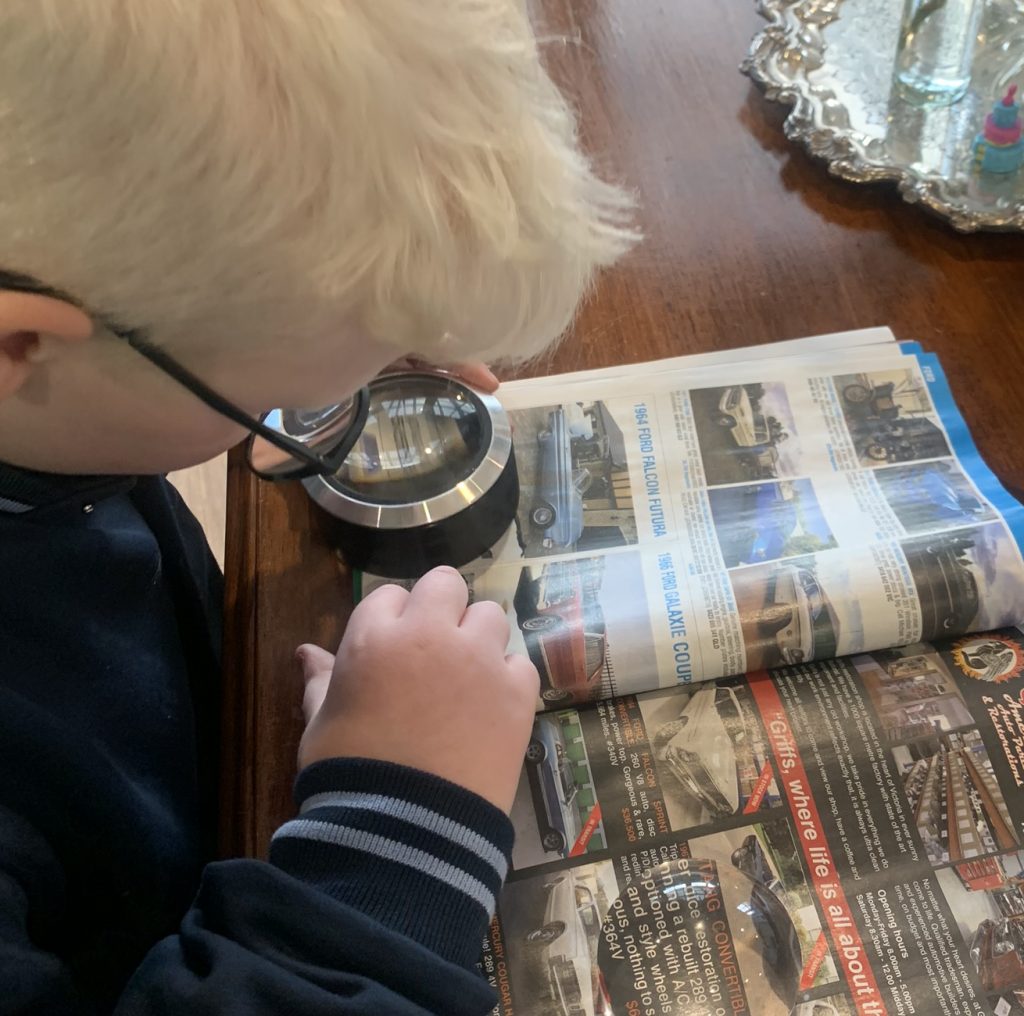
For more information: Consider Assistive Technology (AT) at home for children with Albinism (pdf) an AFA prepared document.
General Resources
- You too can climb high: A message to young people just like me! by Gareth Ward, the member for Kiama (NSW) and Minister for Disability Services and Minister for Family and Community Services. Gareth has albinism and is legally blind.
- Steps to Success – Privately Happy and Publicly Useful: Annette Godfrey-Magee (SVRC and a teacher trained in Visual Impairment) provided an excellent presentation on the journey through the school years (P-12), identifying skills and behaviours to be achieved at each level.
- The Time is Now – Presentation by Dr Karen Wolffe at the 2017 Melbourne Conference. Preparation for life starts at home… expectations for children.
- Age-Appropriate Chores for Children and Youth with Visual Impairments – From 2 to 18 years – chores as part of learning for life! Notes provided by Dr Karen Wolffe when she presented at AFA 2017 Conference.
- Ten ways to promote the natural genius in your child: Andrew Fuller.
 Join us on Facebook