
We all know the struggles to balance lifestyle, finding time to keep fit and look after our own health, while also being part of or looking after a family and working. At times our options are limited by low vision or the need to seek protection from the sun, but with special clothing or equipment, assistive technology, modified activity or the right time of day, we can usually accommodate for most activities.
We hope that by sharing knowledge and experiences, we can learn new tips to manage and improve our health, overcoming the challenges of low vision. We hope you will enjoy reading of other’s achievements or experiences and find the confidence to try new sports or activities. Please contact us at webmaster@albinismaustralia.org if you think you are able to contribute to this section with tips or ideas, even if it is only a few lines or paragraphs.
Information below is included under the following headings:
- Healthy Eyes
- Healthy Skin
- Physical activity, Recreation, Keeping fit, Good Posture
- Sports
- Sporting Options
- Low vision sporting organisations or groups
- Spectator Opportunities
- Personal Stories of Sporting Involvement
Healthy Eyes
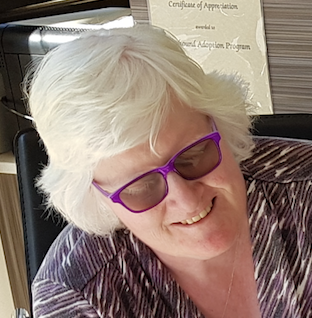
We are often so busy applying sunscreen, we forget about our eyes. A pair of spf rated sunglasses will protect the eye from sun damage as will a hat with a brim over the eyes. Try different coloured lenses outdoors as you may find that one works better than others. Annual visits to an optometrist or ophthalmologist (especially if you notice changes) will make sure any issues are picked up quickly and treatment or rehabilitation can be started. We cannot afford to lose any quality of vision due to developing long or short sightedness or age related conditions – the vision we have is precious!
Making sure we have the right lighting for close work and accessibility equipment suitable for each activity is helpful in preventing eye fatigue. If possible do concentrated reading or close work earlier in the day, taking short breaks at regular intervals. It has not been researched but some recommend the 20/20/20 rule – every 20 minutes look away 20 metres for 20 seconds. Audio books or pod casts can be useful later in the day or evening.
Healthy Skin
As adults we all know the slip slop slap routine only too well! Finding the right sunscreen can be a bonus, especially one that is not too greasy for the face and doesn’t have to be applied too often. It should be a broad-spectrum sunscreen of at least spf 30+ and generally will need to be applied more often than you think. This will depend on the activity – if you are swimming or using a towel you will need to reapply more often. Also they may be water resistant, but none are waterproof. Make sure that it has not reached the expiry date and do not keep it in a hot place like a glove box, or it will lose its’ properties and not work.
It is difficult for most of us to regularly check for changes in our skin, especially as some “suspect” moles may be very pale (amelanotic melanoma – see attachment below). Regular visits to a dermatologist at least every 2 years can give you peace of mind and pick up any issues early. Have a partner or family member check for you in between. Don’t wait for something to be itchy, lumpy, sore or bleeding before you seek help – it may be too late.
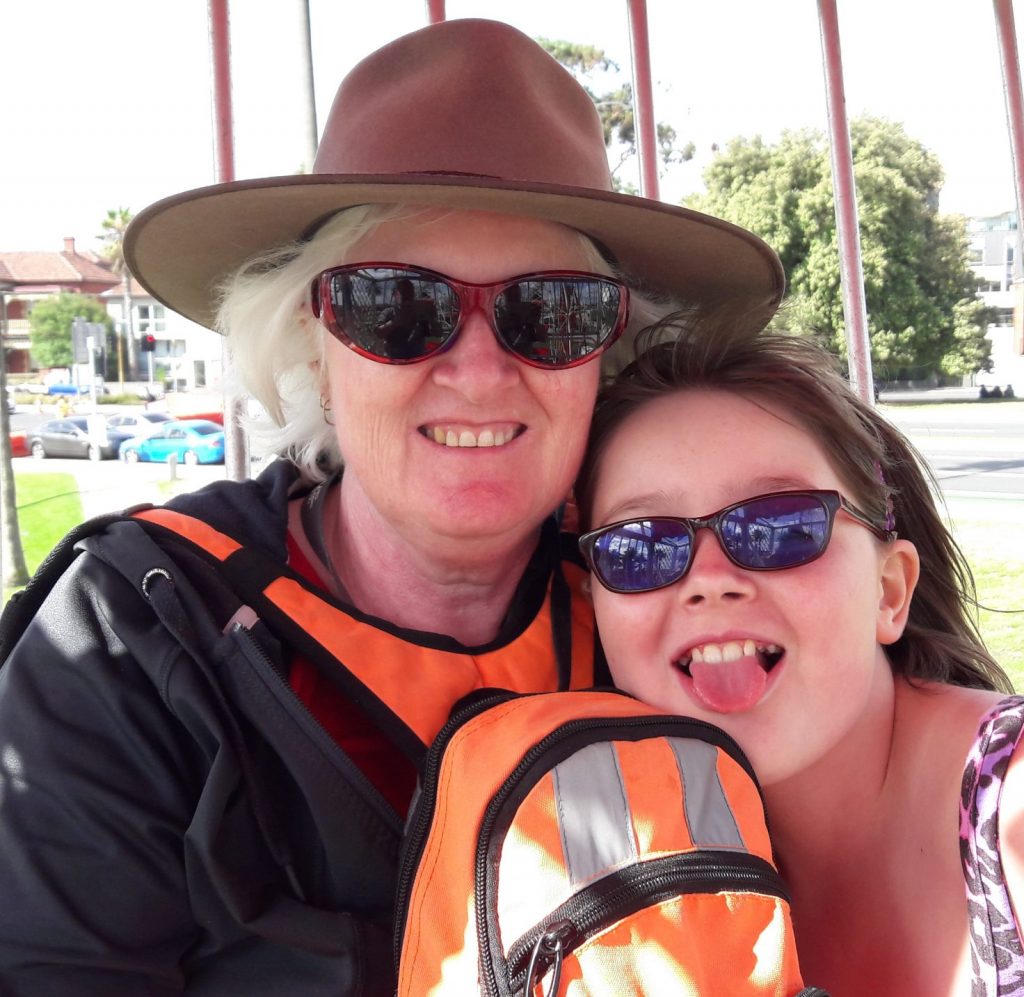
For outdoor activity long sleeved clothing that is SPF rated, or at least has a very close weave (difficult to see thorough when you hold it up to the light), will help to protect your skin, along with seeking deep shade when possible. Higher risk activities like swimming or pursuits in the open, are better done before 10am and after 3pm (or later in daylight saving time), wearing SPF rated clothing, including hats. Longer swimming costumes can be found on Queensland sites with “stinger suits” or sites with “modest” or muslim clothing for women, providing many more attractive options now that “rashies” are accepted swim wear.
Amelanotic Melanomas are missing melanin and may be pinkish-looking, reddish, purple, normal skin color or essentially clear and colorless.
Resources
- The Sun, UV and You – a presentation by Dr Anita Lasocki at 2017 AFA Conference.
- Sun and skin care for people with albinism – advice from dermatologist Dr Monisha Gupta at an AFA Conference 2013.
- Sun and Glare Protection Statement – an AFA prepared document that may help others to understand your needs.
- Sunscreen information from Galderma – an AFA sponosor.
Physical activity, Recreation, Keeping fit, Good Posture
We don’t all have to be super fit, but a base level of strength and aerobic fitness is essential for good health. If your vision is poor you may be hesitant about this, but most fitness centres or studios for things like Yoga, Pilates or dance will assit you initially to be able to fit in. Discuss your vision and how it may affect your ability to participate with the instructor well before hand, so that they know how close you need to be to see any instruction, how to avoid glare, to safely move around or to provide exercise sheets (or copies to put on your electronic tablet).
Our members participate in many leisure activities that also develop fitness, without being in an organisation or team. Ten pin bowling, power or bush walking, jogging, swimming and dancing are popular and the more adventurous activities like cylcing, roller blading, skiing, snow boarding and skydiving are possible.
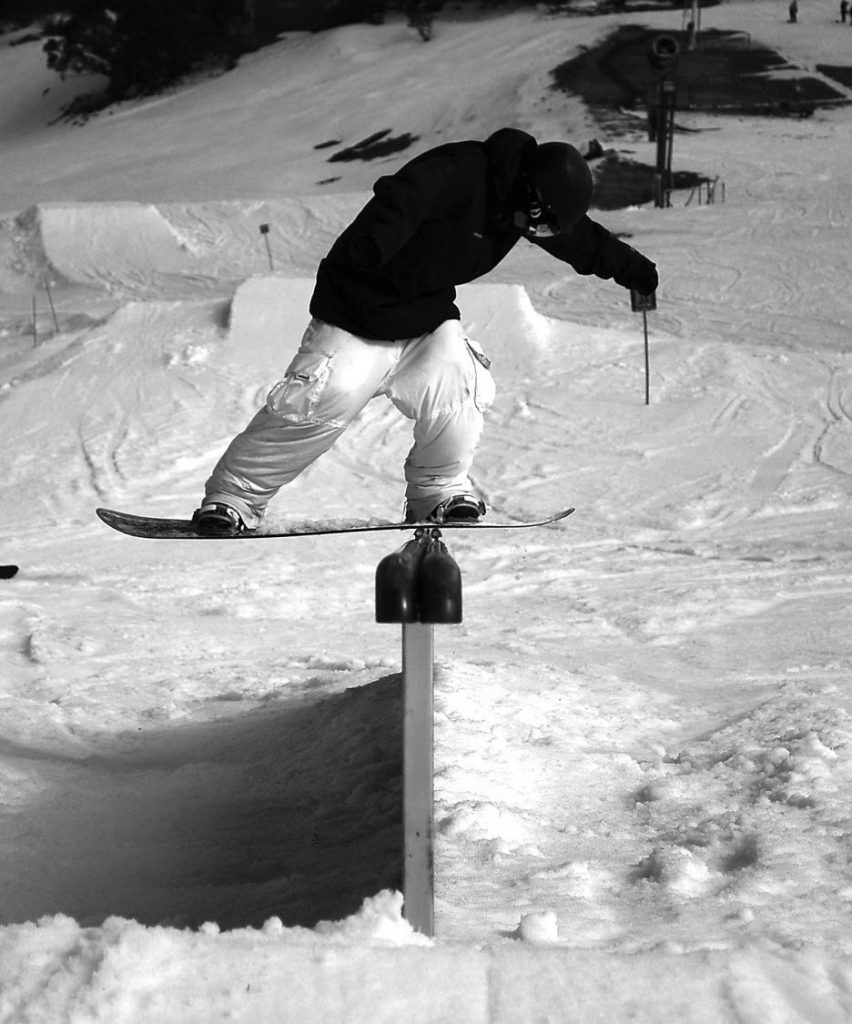
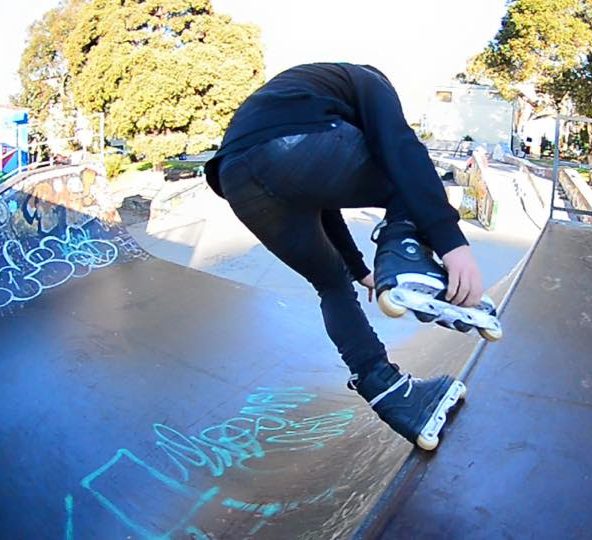
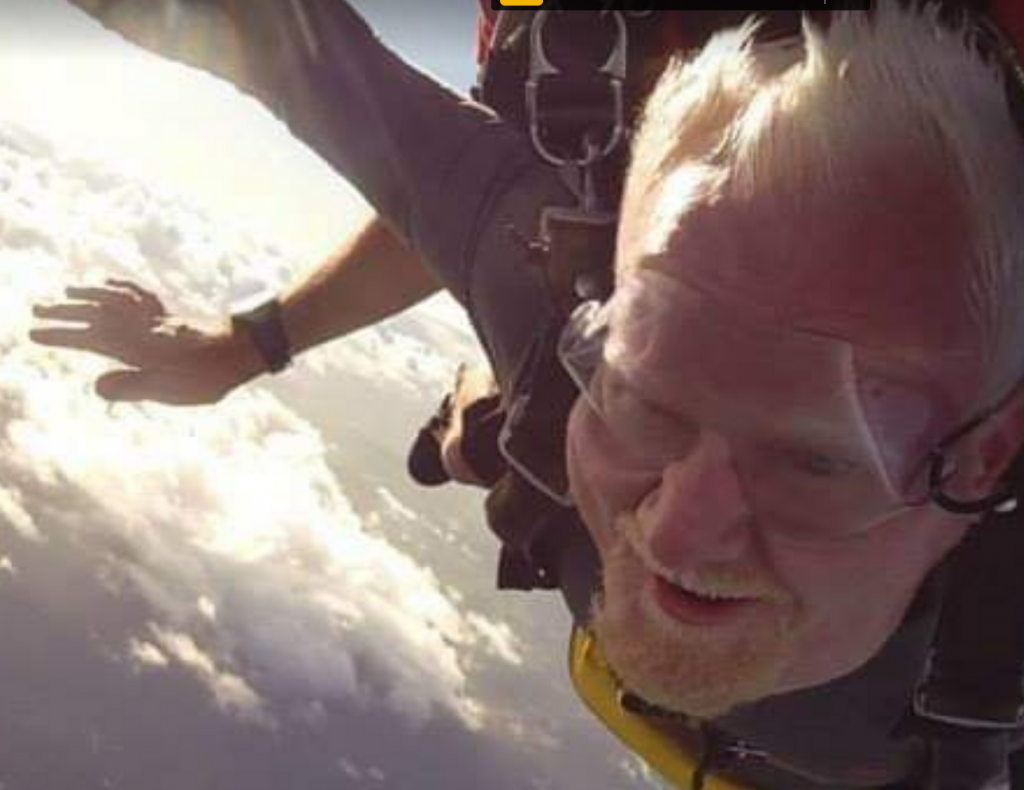
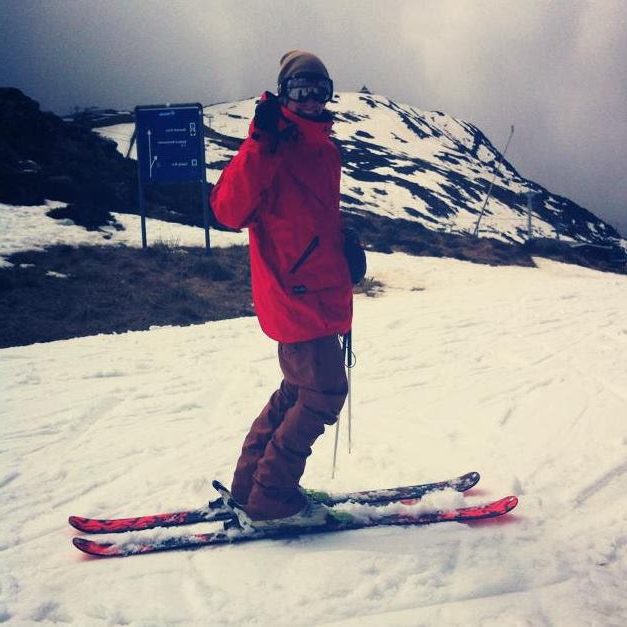
If you are planning to go to a gym with equipment, it may pay to have an O&M instructor accompany you to look for possible issues and to provide advice on how they can make it safe for you. This can usually be financed by NDIS along with a support worker for each session if you require it. Some state based Blind Sports organisations run casual walking groups (providing a volunteer to walk with you if it is uneven ground) and come and try days for other leisure activities. Most of us learned to ride a bike as kids and there are opportunities for tandem cycling with a sighted partner.
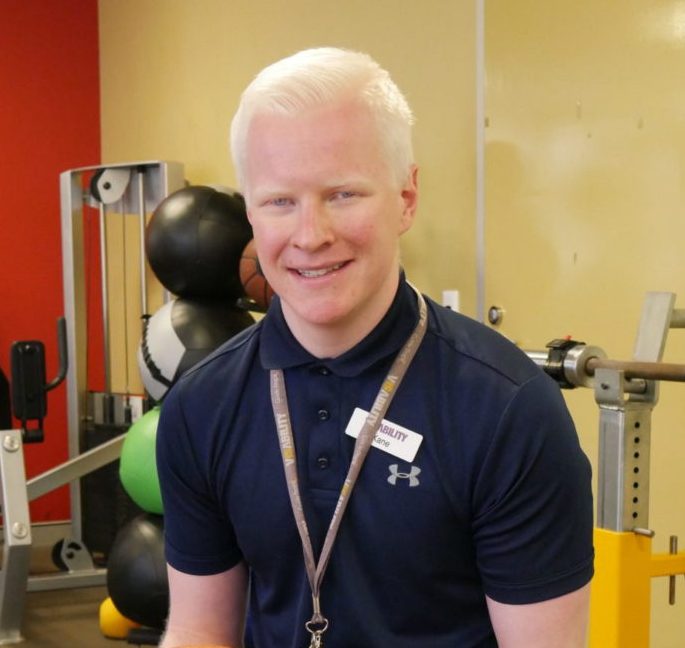
The need to be very close to a book, screen or work, frequently results in poor postural habits. Bending at the neck or back, hunching over to get closer can lead to neck and back pain and injuries over time. If possible work at a table with the tablet or book elevated so that the text or picture is at eye level when sitting up straight. If you use a tablet or laptop, connect it to a larger screen situated at the correct height. In your work place, the government Employment Assistance Fund will provide finance for an adjustible height desk or chair, large screens or portable tablets so that you will not have postural issues at work.
A physiotherapist may be able to provide a series of exercises to strengthen postural muscles and reduce neck or back pain (may be claimable with NDIS if it is ongoing). If you have a head tilt it may help to seek the advice of an ophthalmologist, as surgery can sometimes reduce or correct the head tilt by centralising the null point, avoiding future neck or back pain.
The Importance of Posture – By Kane Perris, Sports and Recreation Officer at VisAbility WA. Kane has albinism (OCA).
Sports
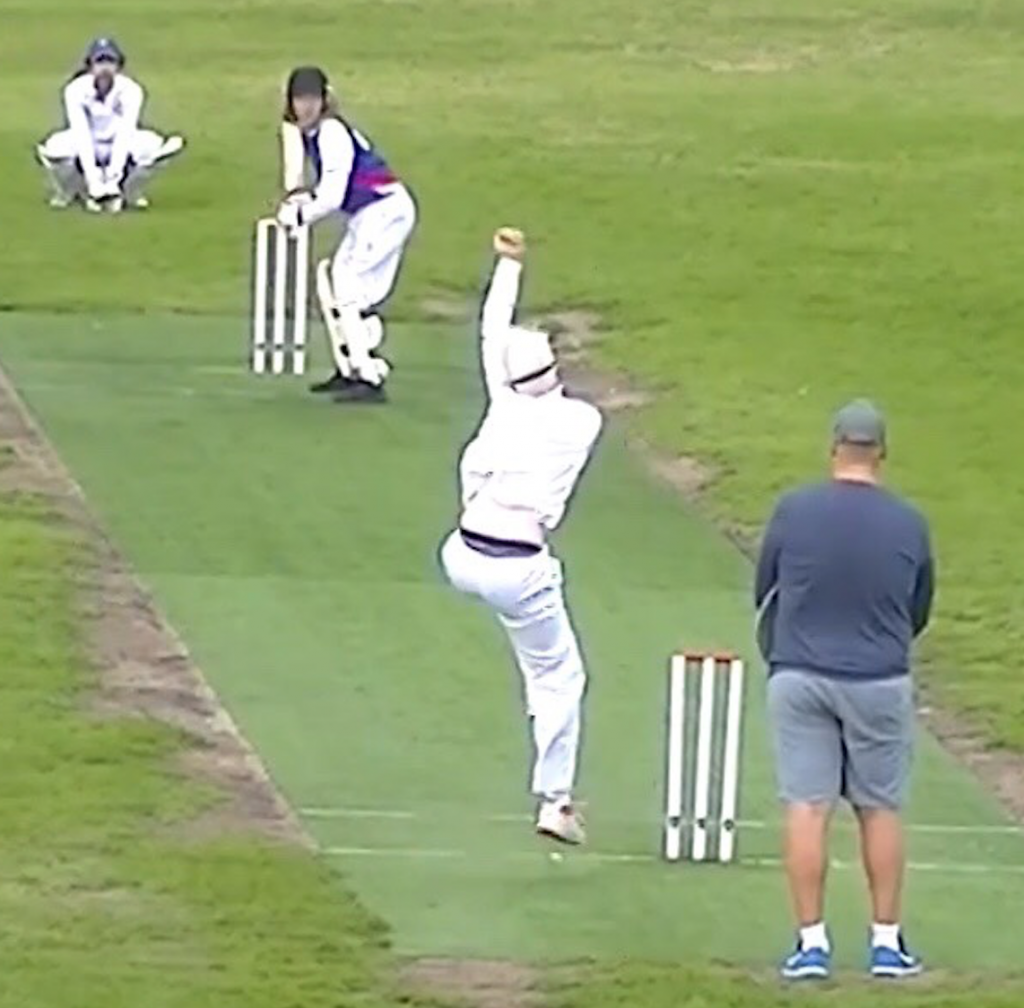
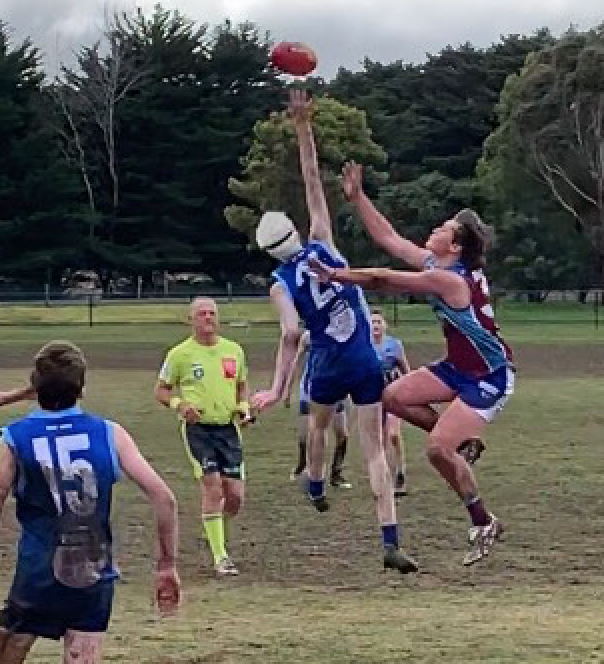
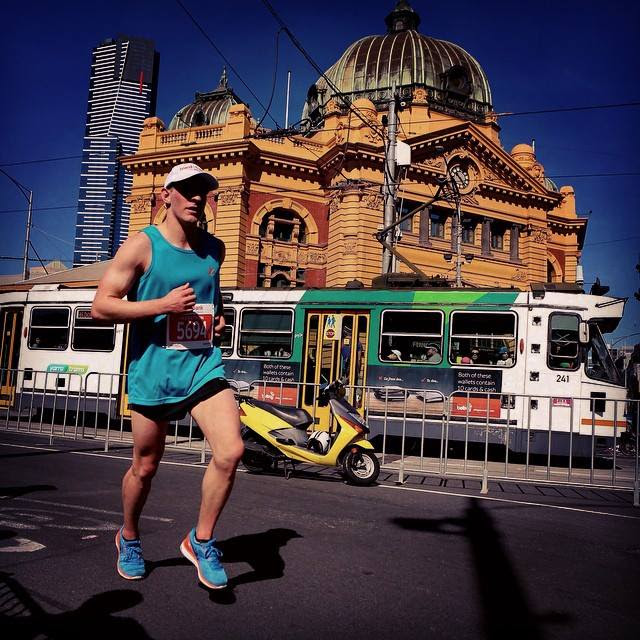
The effect that vision has on the ability to play sports in various situations or environments will vary from person to person. Functional vision is more important than a clinical measurement in sport participation and it may take time for you to work out what suits you. Some with better vision manage to play mainstream team sports like football or netball, while others play mainstream individual sports. If you have lower vision you may benefit from blind sports like tennis, cricket, golf or goalball, with equipment and rules that allow you to fully participate.
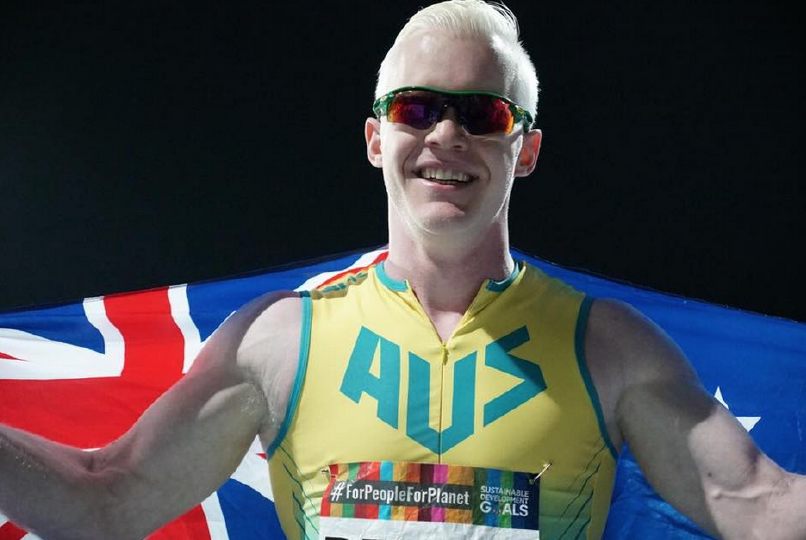
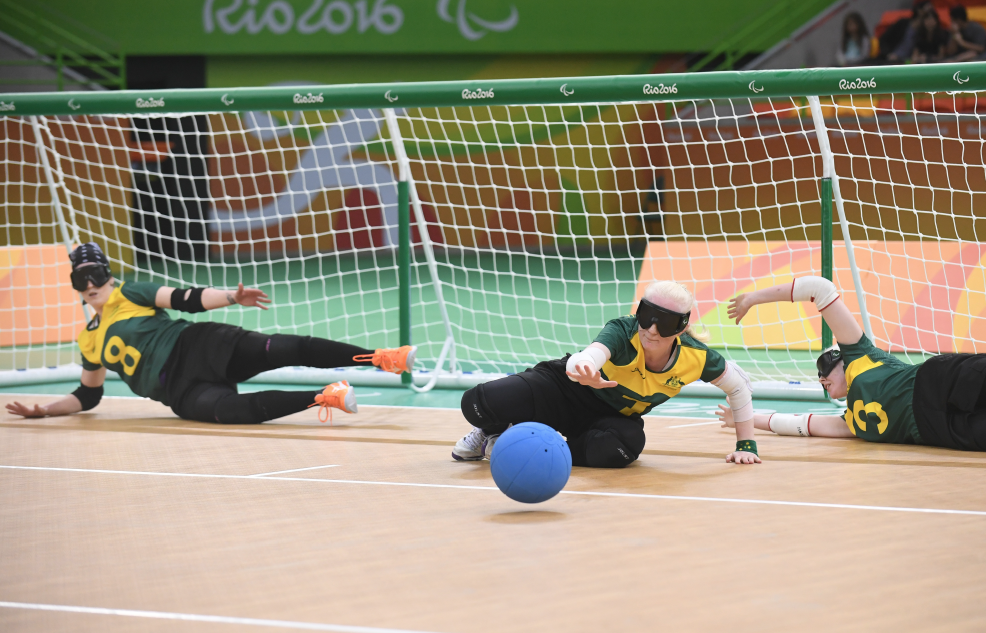
Most Australian paralympic teams have included representatives with albinism – most recently in Goal Ball and Athletics, with great success.
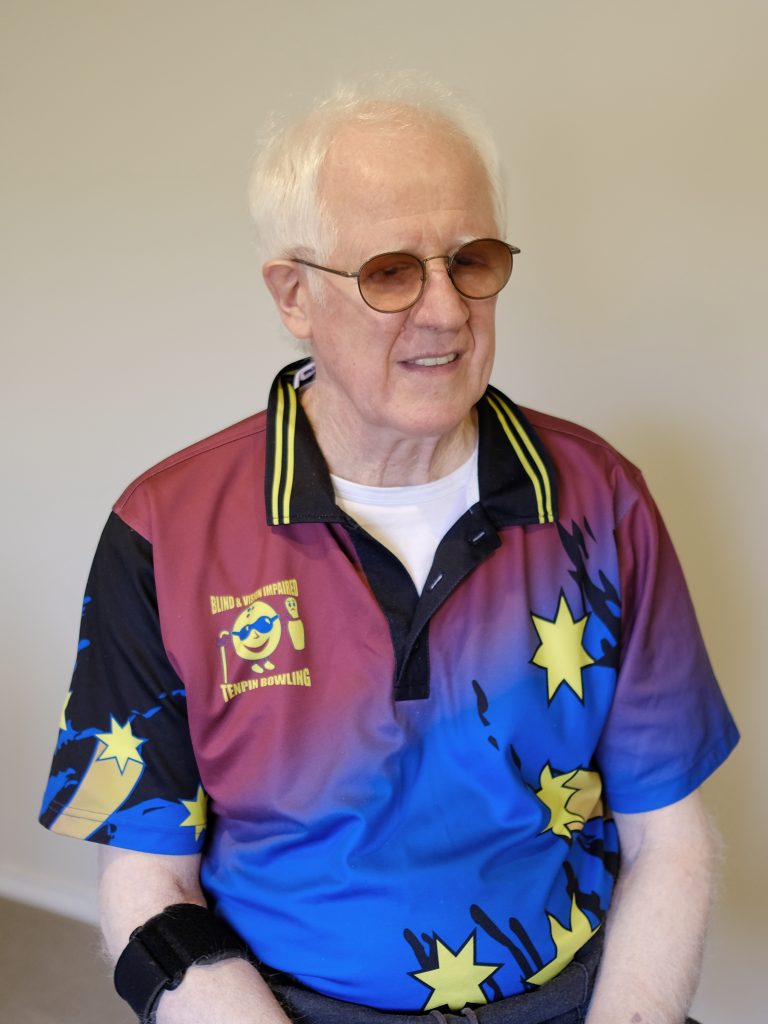
For those who prefer less aerobic activity there is the option to play sports like golf, lawn bowls or ten pin bowling at mainstream venues socially, or to compete in mainstream or low vision competition. No matter what your fitness level or aspiration, there is a sport or activity out there for you!
If you would like to take up a new sport or activity and would like support from someone who understands low vision, contact the Blind Sports group in your state. Activities range from walking groups, recreational sports, to guided running, “come and try days” for ball sports, athletics, tennis, goal ball or other para sports.
Links to low vision sporting organisations or groups
Spectator Opportunities
Sport can be a big part of the Australian way of life, whether we are playing it or following our favourite players or teams. There is no reason why we cannot also experience this with our low vision. Following a team can be an important part of belonging to a group, chatting together and socialising at local or regional games. If you cannot play, spectating, scoring, timing, or helping with equipment can allow you to bond with friends and increase your social circle.
Some sports can be followed at close distance like local basketball, but many popular ones like football, soccer, rugby or championship tennis are in large stadiums. Technology will come in handy here, with the use of monoculars or binoculars (depending on preferences) for distance viewing, ear buds to listen to the called play on radio, or noise cancelling headphones if you cannot cope with the distracting noise. You could also use bioptics that may be funded through NDIS.
My Experience with Bioptics by Glen Bracegirdle
Personal Stories of Sporting Involvement
You can also gain inspiration from the experiences of other members – please send us photos or stories of your sporting or other activites to include here! Send to webmaster@albinismaustralia.org
- Goalball Youth World Championships 2019 – Featuring Australians with albinism – Callum Saunders (Vic) and Alana Tiller (SA).
- Our Paralympic Champions – the Aussie Belles (Goalball) and Chad Perris.
- My Squad with Tyan Taylor (OA) – first you need to join as a member of Aus Squad (no charge) part of the Australian Paralympics website.
 Join us on Facebook