

You will find information for this section under the following headings:
- Training for careers
- Anything is Possible
- Examples of careers or areas where those with albinism in Australia are currently working
- Workplace support
- Would you like to contribute?
- Career information
- Career Stories
Training for careers
Begins with toddlers
The idea that everyone makes a contribution to communities whether it be voluntary or paid work begins at an early age. Toddlers learn to put their toys away, gradually learning skills to contribute to housework in the family community. Sometimes our children with low vision miss out on the visual cues about jobs – what the baker or pizza maker actually does behind the counter, what happens in the hospital or on the building site. Taking the opportunity to describe what is happening around them, or the jobs that people they know do, all build an expectation that everyone works, as will they when they are ready.
Continues in School Years
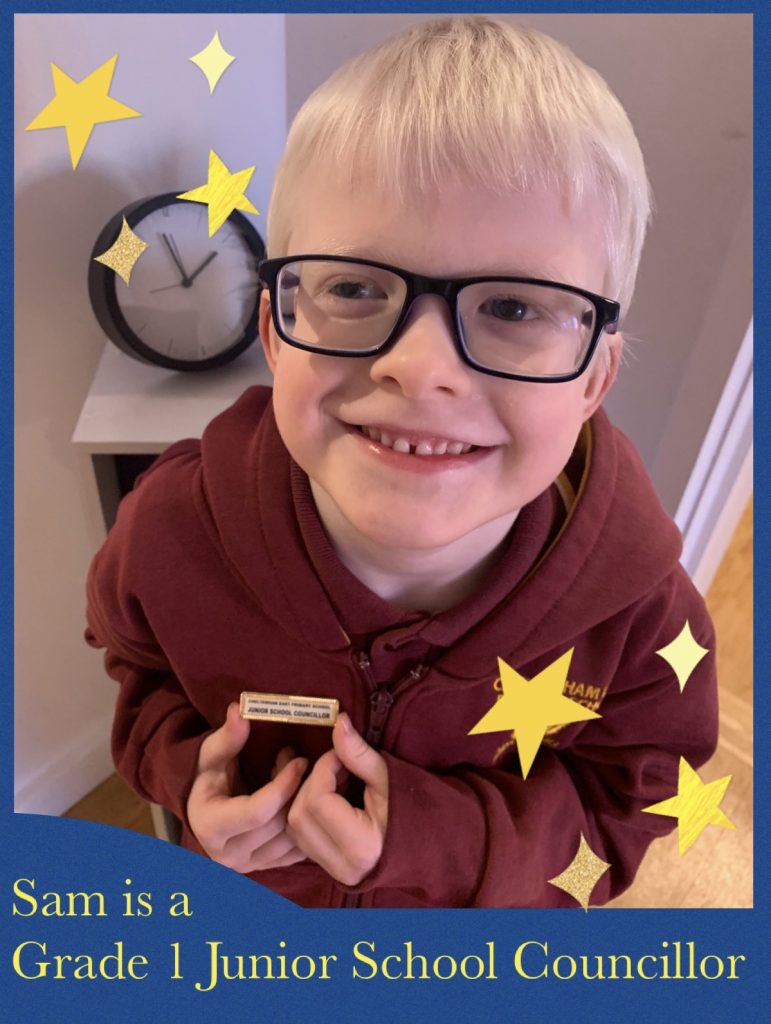
Taking up every opportunity to be involved in leadership, team work or completing volunteer work, either at school (in all levels) or in the community, will give our children a CV that will demonstrate capability, work ethic and future potential. This will help to alleviate any concerns that an employer may have about the limitations of low vision.
- Age appropriate chores for children with albinism – (pdf) learning to work towards a career by Dr Karen Wolffe, presenter at AFA 2017 Conference.
- Advice on Career Education – (pdf) Three Things Parents Should Know About Career Education and what you can do to help children develop skills by Dr Karen Wolffe.
Anything is Possible
There are very few careers that those with albinism cannot undertake – the exception currently is perhaps anything involving driving, flying a plane or operating moving machinery, but this may change! They can competently and independently move around most workplaces and with the right accommodations are competent and diligent workers alongside sighted peers. The government funded Job Access scheme can provide site evaluations to ensure safety and assist in providing these accommodations without expense to employers (see below).
Examples of careers or areas where those with albinism in Australia are currently working
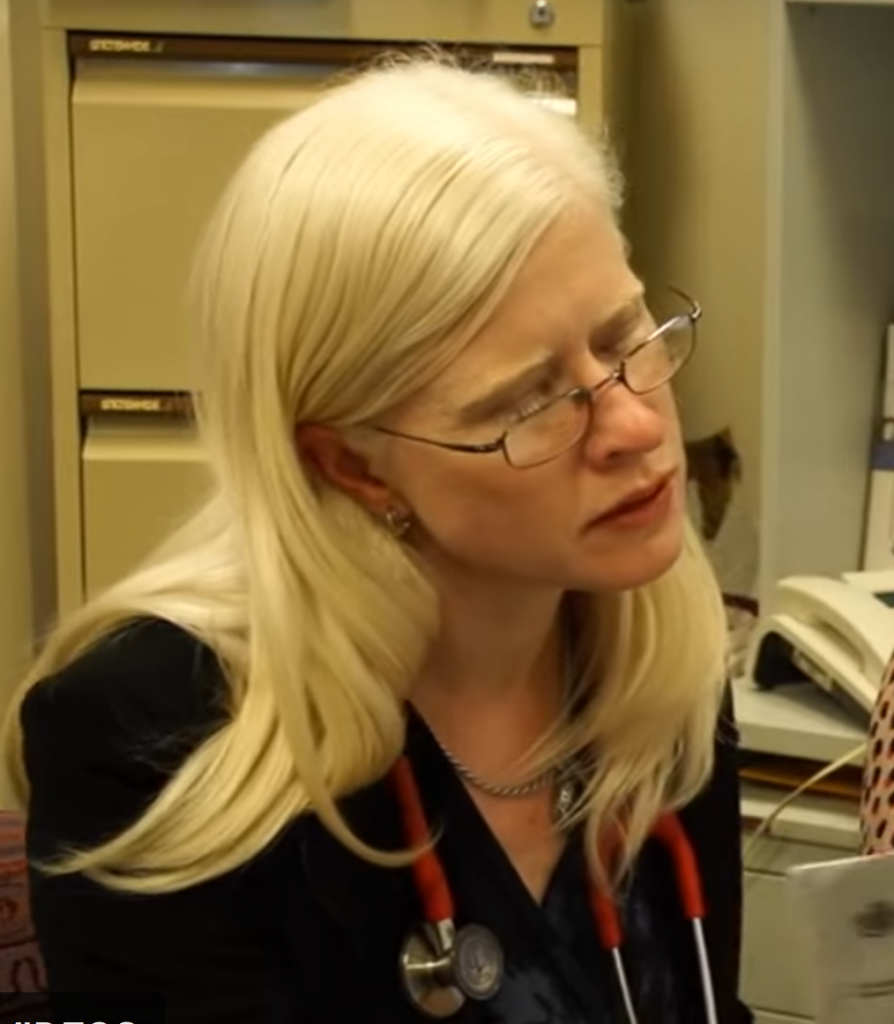
Doctors of rehabilitation and psychology, nursing (theatre assistant and on wards), masseuse, education (teaching or assistants at all levels), library technician, lawyers, professional musicians and entertainers, recording and mix engineer, hospitality including a chef, accounting, commerce and finance, technology, tally clerk, journalism, social work, fitness trainer, drama and the arts, personal assistant and professional athlete.
Workplace support
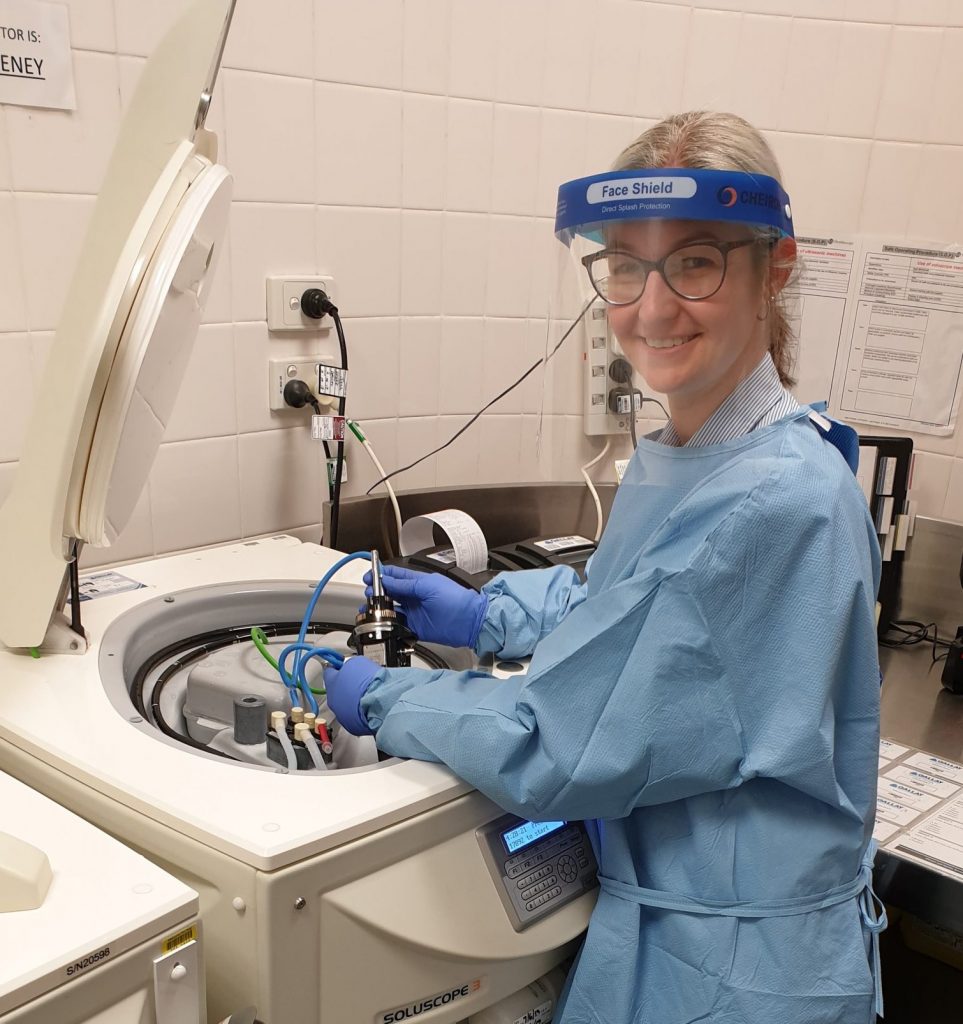
Sometimes changes need to be made in the workplace to allow you to perform a particular job, due to your low vision. Workplace adjustments can be made through the Australian Government program, Job Access, providing support for employees and employers at no cost. They provide financial assistance to people with disability and their employers to make work-related modifications. This can include advice on modifying your work area, talking about your disability, training for your co-workers, negotiating flexible work arrangements and returning to work.
The EAF can assist you if you are about to start a job, are already employed, or are self-employed. If you are a jobseeker who requires work related assistive technology or special work equipment to help you look for, apply and prepare for a job, the EAF may also be able to assist you.
- Assistance in the workplace – why, what and how (pdf) This AFA produced document discusses the reasons for applying, what you may expect (accommodations and technology) and how to apply.
- Support for employees and Employers (see relevant headings) – Job Access
Would you like to contribute?
- We would love to hear of examples of any workplace modifications including supply of equipment, furniture or adaptive technology that you have found useful in specific situations.
- We love to hear stories of PWA in the workplace, as it is wonderful role modelling to our teenagers or those considering a career change.
- Contact the secretary (secretary@albinismaustralia.org) with Website Content in the subject line) for information to be passed on to the current Website committee member.
Career Information
- My Top Practice & Performance Tips for Musicians with Low Vision by Melissa Baldwin
Career stories
Professor Paul Delaney, leading Astronomer in Canada.
Formerly from Adelaide, Professor Paul Delaney, who has albinism, is a leading astronomer in Canada. Paul is a professor of Astronomy at York University in Toronto, despite having a severe vision impairment. In this video (recorded for the AFA conference in 2011) he explains how he became a professor of astronomy despite the vision problems associated with albinism. I particularly like his advice to parents and educators: “if a child has a goal, a dream, a desire, give them every opportunity to be successful, and worry about the reality of it later on…”.
More Stories – click to download or link
- I love Nursing – I have no regrets! (pdf) Emina Hubanic (PWA) talks about her career in nuring and the accommodations for her low vision.
- Chris Doherty – Recordist, Mixer and Producer. (pdf) A recording engineer based in Sydney, works with many music genres.
- Julie Derrett – My career in broadcasting (pdf) with local and ABC radio.
- Living with Albinism (pdf) Dr Shari Parker, PWA talks about the challenges she faces every day as a rehabilitation doctor (from Australian Doctor 06/04/2007 Page: 35).
- Kane Perris – Sports and Recreation Officer (pdf) at VisAbility WA.
 Join us on Facebook