
Please see some options for support and funding of children with albinism below under these headings:
- AFA Support
- Service Providers
- Australian Government Supports
- Early Childhood Early Intervention (ECEI)
- National Disability Insurance Scheme
- Carer Allowance
- Disability Support Pension (Blind) – for those aged 16 to 65.
- State Government Supports
- Companion Card
- Vision impaired travel pass
- Disabled parking permits
- Education support
AFA Support
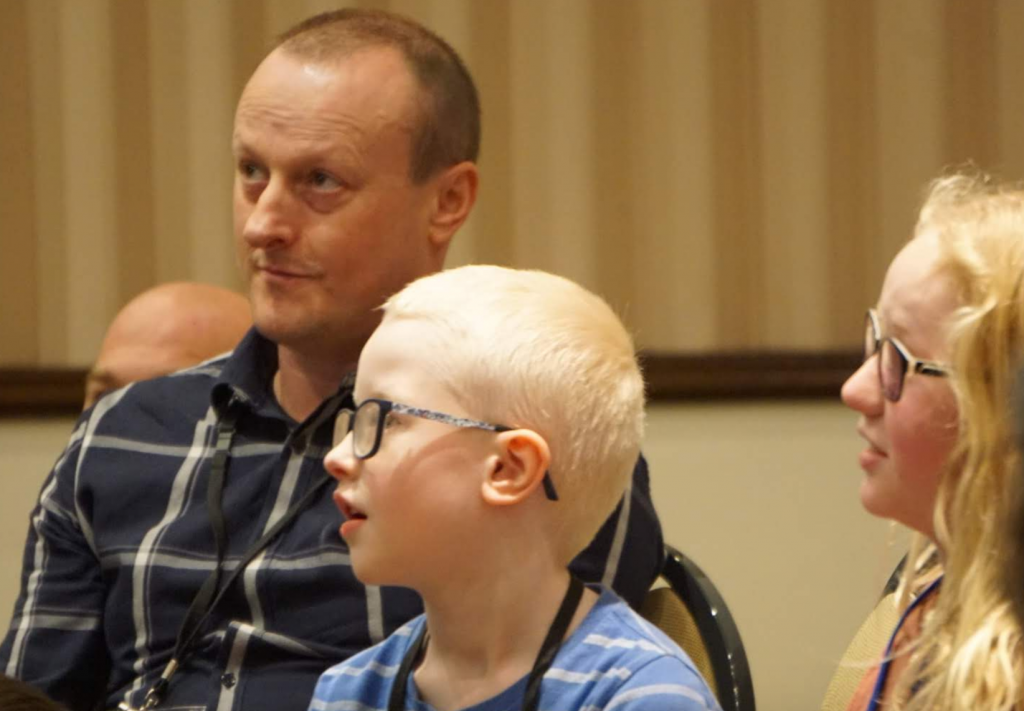
We are there to answer your questions, connect you to other members or to suggest services available in your area. Use our 1300 number or email a state rep or committee member. Our National Biennial Conference can provide you with an opportunity to hear from the experts on a range of albinism related topics or to simply meet up with a lot of like-minded people who “get” what it means to have albinism and for your kids to meet others with albinism. They are also a lot of fun!
You will also receive emails with the latest news, which may include coming activities, items of interest, any albinism medical news or reseach, and stories of success from members of all ages. Our facebook page provides an online connection with hundreds of others in Australia.
Grants to attend the AFA Conference
Financial members of the AFA who are otherwise unable to afford to attend our conference, may be eligible to apply to the AFA for a grant to subsidise registration and or travel or accommodation costs. This will depend on the access to Government grants for this purpose or the availability of AFA funds.
See also the Government section below for an AFA letter of support to include costs in your NDIS plan.
Financial Support to attend other AFA conducted or AFA sanctioned events
- There generally will be no entry charge to attend most local AFA get togethers, although members will often pay for food ordered from a menu. Non-members will be asked to contribute via an entry fee.
- The AFA committee may offer a grant for financial members to attend events run by other approved authorities, especially those for Juniors.
Service Providers
Please see below a list of low vision service providers (as at June 2020), and please note that services may vary depending on the State you live in. Contact the providers below for further information.

Operates in South Australia to provide support for children with low vision.
Early Childhood Intervention Services (NT)
In the Northern Territory, Early Childhood Intervention Services are provided through the Education Department, Special Education section. In 2020 there are no other low vision specialists providing a full service in NT, although they can call on visiting services from Guide Dogs and Vision Australia as required.
Operates in all states (in WA and Tas they are in partnership with VisAbility) to provide a range of services (not just dogs). They also have one clinician (O&M) based in NT.
Next Sense (formerly RIDBC)

Based in NSW, is a non-government provider of therapy, education and diagnostic services for people living with hearing or vision loss.

Royal Society for the Blind (RSB)
Located in SA, they provide services mainly for adults, but do have a children’s section.

VisAbility (in Tas and WA)
Support Group for those with low vision in Western Australia and in partnership with Guide Dogs in Tasmania.

Offers all vision services in Victoria, New South Wales, the Australian Capital Territory and Queensland, city and regional.
Smaller Providers
With the arrival of NDIS there are many more providers appearing in the market. While we do not make recommendations, or guarantee their services, we may review and add to the list, any providers that members recommend to us.
Australian Government Supports
There are a number of funding options available for people with Albinism with a vision acuity of less than 6/18 or legally blind. Please note funding available will differ from person to person depending on your individual circumstances. Theses funding options listed are a guide to provide a starting point to explore your options for yourself and / or your child.
Early Childhood Early Intervention (ECEI) for children under 7
If your child is already an NDIS recipient, this will continue. Support for other children 0-6, with low vision or legal blindness, is provided under the ECEI scheme, where the NDIS has engaged Early Childhood Partners to deliver this program. You will find ECEI specialists at the providers listed above and they will be able to help you request NDIS access if your child requires longer term supports.

Children with albinism have a delay in the development of sight, which can have an impact on movement and other skill development (discussed in the About Albinism tab). It is important to contact an ECEI low vision provider as soon as you have a diagnosis (often by about 6 weeks of age) so that early intervention can begin, funded through NDIS in partnership with the provider. An ECEI low vision specialist will assist you in the application process and guide you through a process to assess your child’s needs. You will learn more about your baby’s vision and what you can do to encourage them to efficiently use what vision they have. When the child turns 7, they will transition to an NDIS plan.
The cost of attending our conference can be included in your NDIS plan, as it provides education on the condition and social connection to others for the whole family. See below for an AFA letter of support.
National Disability Insurance Scheme (7-65)
The National Disability Insurance Scheme (NDIS) provides support for Australians aged 7 to 65 with a permanent and significant disability, their families and carers. It will provide them with the reasonable and necessary supports they need to live an ordinary life, taking a lifetime approach, investing in people with disability early to improve their outcomes later in life. Having a diagnosis of albinism does not automatically qualify you for NDIS (although you need this as a basis). The type and amount of funding will depend on the effect your vision has on your ability to function in daily life and how it may prevent you from reaching your goals. Eligibility does not rely on a vision measurement (eg legally blind), but rather on your functional vision, how it effects your daily activity.
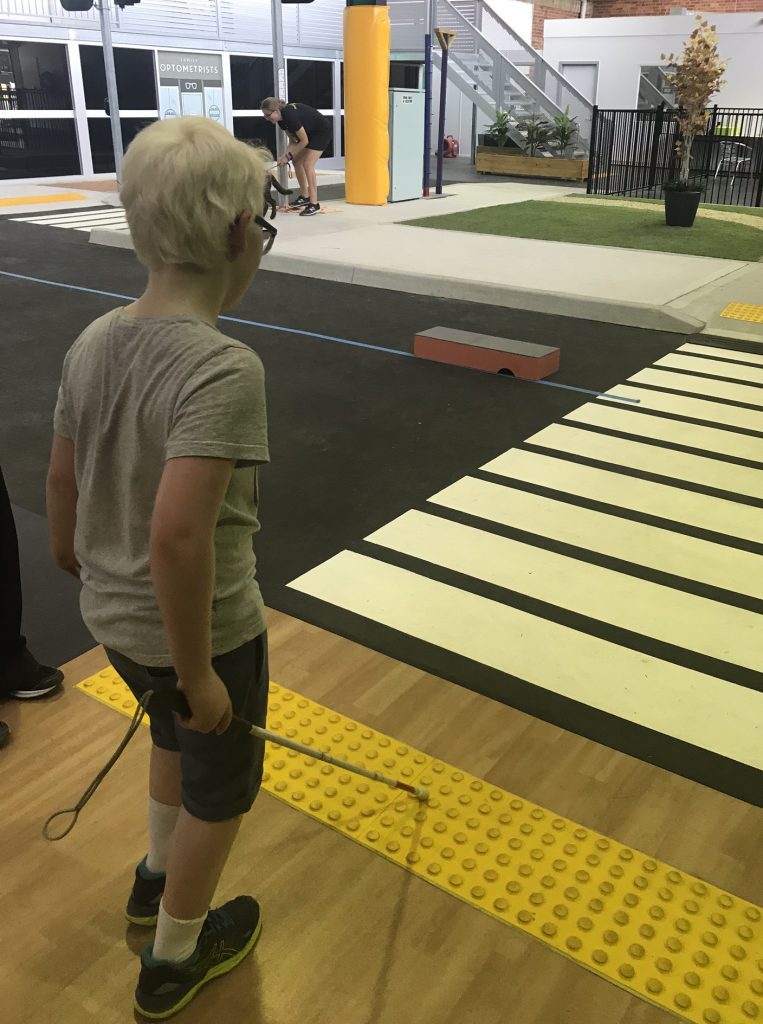
For those with albinism, the level of support may change over the lifetime, with areas of higher need in early childhood, as young children or during key changes in circumstance and lifestyle (eg during transitions in education levels or to employment, retirement etc). Once children have learned the skills to adapt to low vision they will not require the same support, and as teenagers or adults they may not need to have an NDIS plan. Once they have registered and been accepted, if they encounter a difficulty due to their vision or lack of melanin at a later time, they can apply for further assistance under a new plan.
The cost of attending our conference can be included in your NDIS plan, as it provides education on the condition and social connection to others for the whole family. See below for an AFA letter of support.
- Ideas for helping you to understand NDIS Funding for children with albinism. (pdf) This is an AFA produced document.
- Examples of prior successful NDIS funding for children (pdf) collated by the AFA from members experience.
- Explaining Albinism Vision (pdf) This AFA produced document can be used for demonstrating albinism vision to others – including providers and NDIS planners.
- Sun and glare protection statement from the Albinism Fellowship of Australia (pdf) This AFA document can be used to verify the need for sun and glare protection (including glasses, clothing, sunscreen, outdoor shade and home modifications).
- AFA letter of support to include the cost of attending the AFA conference in the NDIS plan.
It is important that you seek information directly from the NDIS website for the correct process and official guidelines, as the AFA is not an authority on this, nor an official provider. Plain English Guides are also available and are a good starting point.
Other supports
- Carer allowance (issued through Centrelink) – provides a fortnightly payment and a Health Care Card (this is generally only available for young children who are legally blind). The Health Care Card can be particularity valuable for GP, Specialist appointments and prescription medication.
- Disability Support Pension (Blind) – For those aged 16-65 who are legally blind and cannot work due to vision (check eligibility).
State Government Supports
The following funding options are generally only available for people with Albinism with a visual acuity measurement greater than 6/60 (legally blind), although there may be some exceptions. Please note the funding available will differ from person to person depending on your individual circumstances and may also vary from state to state. The list below is a guide to provide a starting point to explore options for yourself and / or your child. (Enter the title and your state for each option in a search engine to find the relevant government information)
- Companion Card (National program but state run) – enables eligible people with lifelong disability to participate at venues and activities without incurring the cost of a second ticket for their companion.
- The Vision Impaired/Impairment Travel Pass – provides free public transport travel for those who are legally blind.
- Disabled Parking permits – in some states these are issued by local councils (eg Victoria). Availability and eligibility varies.
- Education Support – through state Education Departments (see our Education section)
 Join us on Facebook