

My baby has just been diagnosed with albinism. What now?
First, congratulations on the birth of your beautiful baby. We know babies with albinism have a special kind of gorgeousness, so we welcome your new one.
Second, don’t panic. Albinism is simply a diagnosis. The condition of albinism doesn’t affect your child’s intelligence, lifespan or independence.
Bottom line: Your child will have low vision, and need care in the sun. Several lots of sunglasses, sunblock and broad brimmed hats will be part of your every day from now on.
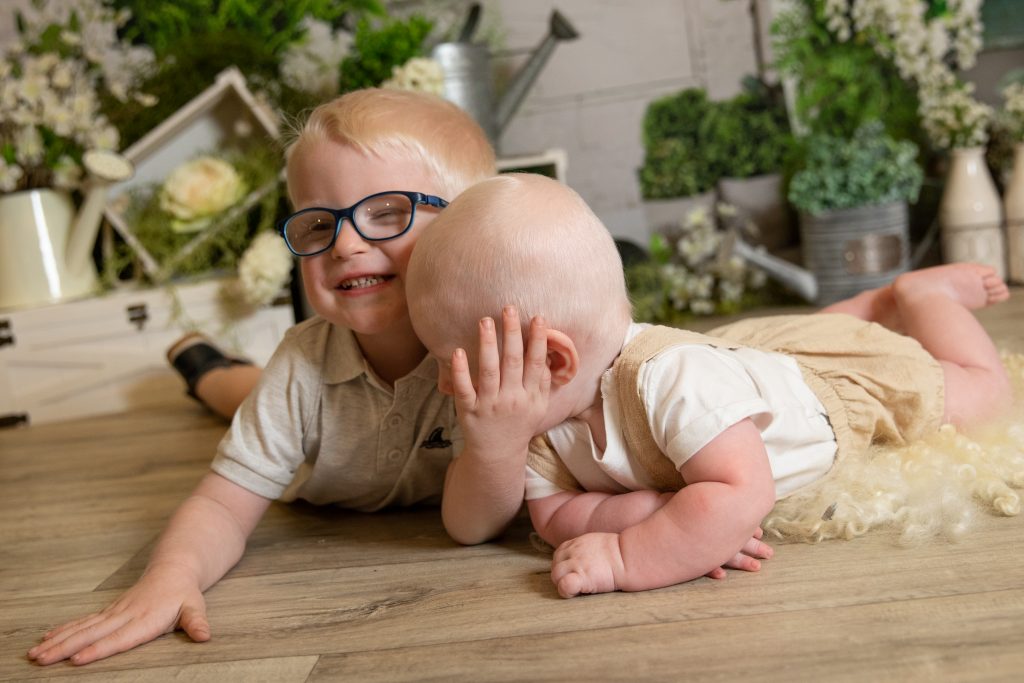
The degree of visual acuity (ability to see functionally) will change as the baby grows and their eyes develop. Even the diagnosis of “legally blind” isn’t as terrible as it sounds. Your child may struggle to see well, but will be able to see you, and will amaze you with his/her resilience and ability to achieve. Their vision is normal to them, they know no difference – it is important to accept it as a small part of the whole person.
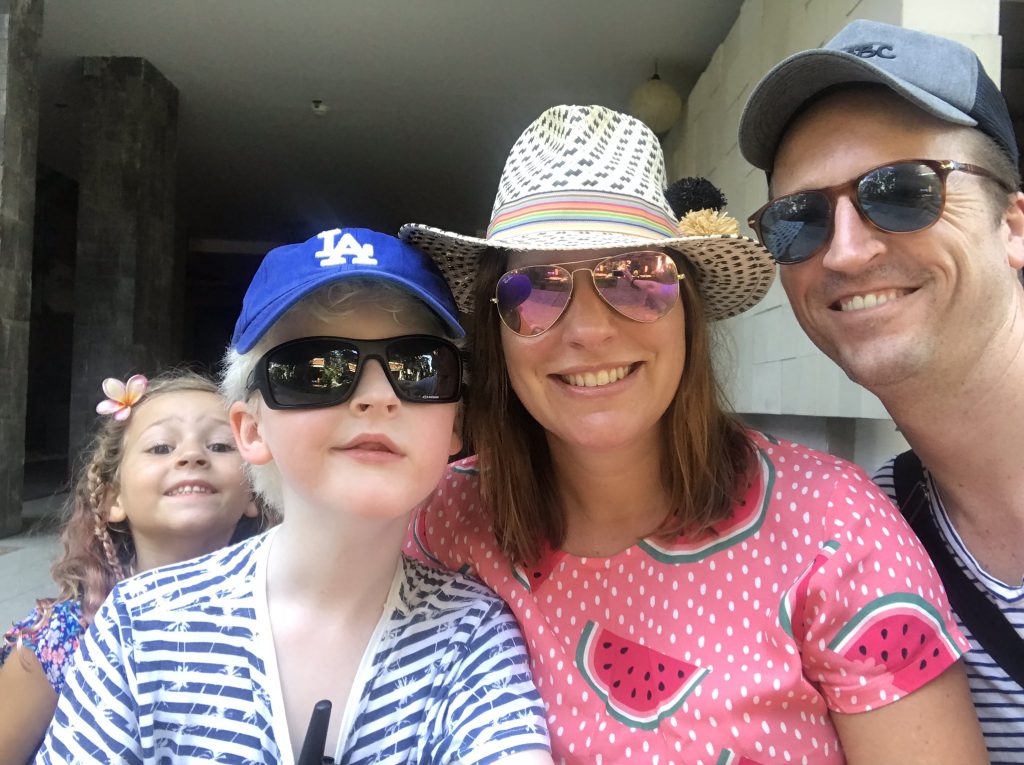
Sunscreen and hats will be necessary from the word go; the skin is especially prone to sunburn after even just ‘a touch’ of sun. Sunglasses and hats can protect from glare that can cause pain in the eyes and damage from the sun. The degree to which glare affects your child will vary, some can’t stand it and some are fine in shade, some don’t appear affected at all.
Further information is available below under these headings:
- Some very quick early phrases for you to know
- Your Baby’s developing Vision
- Your Toddler
- Your Pre-schooler
- Assistive Technology – Some things to consider
- Additional Resources
Some very quick early phrases for you to know.
- Nystagmus – (Niss-tag-mus) – your baby’s eyes might flicker side to side or up and down. It may be jerky or smooth. This is due to the condition of nystagmus, a symptom of albinism, and the baby isn’t hurting, nor is the jerkiness representative of their vision.
- Strabismus – (Strah-biss-mus) – Where an eye turns in or out. Along with nystagmus, this can be quite disheartening to see, but the baby most likely isn’t even aware it is happening. Can appear worse when baby is tired or stressed.
- Recessive gene/genetic trait – That’s right, that’s how you created this treasure! Albinism is from recessive genes, not dominant. So BOTH partners have to carry a copy of the gene, and every pregnancy has a one in four chance of producing a child with albinism. There is also a one in four chance the baby will be unaffected, and a one in two chance the child will be a carrier. Therefore, sometimes generations will pass without albinism showing, and it may be quite a surprise to you. Sometimes there can be two or three children born with albinism in one family. For reference, a dominant gene only requires one of the parents to carry a copy of the gene for it to be inherited.
- Ophthalmologist – Paediatric variety – A children’s eye specialist. Ensure you find one with an understanding of albinism.
Your Baby’s developing Vision
In the first few weeks of life, vision in all babies is not developed and while they may have light perception and can see shadows or shapes at first, fully sighted babies gradually develop visual acuity during those first 6 weeks.
In children with albinism the eyes will take longer to develop and it may be 6 months or more before they recognise your face and return a smile. They will need to be very close to you – but it will happen! In the mean time they will often react to a light source and rely on hearing to know who is there.
How you can support your baby with developing vision
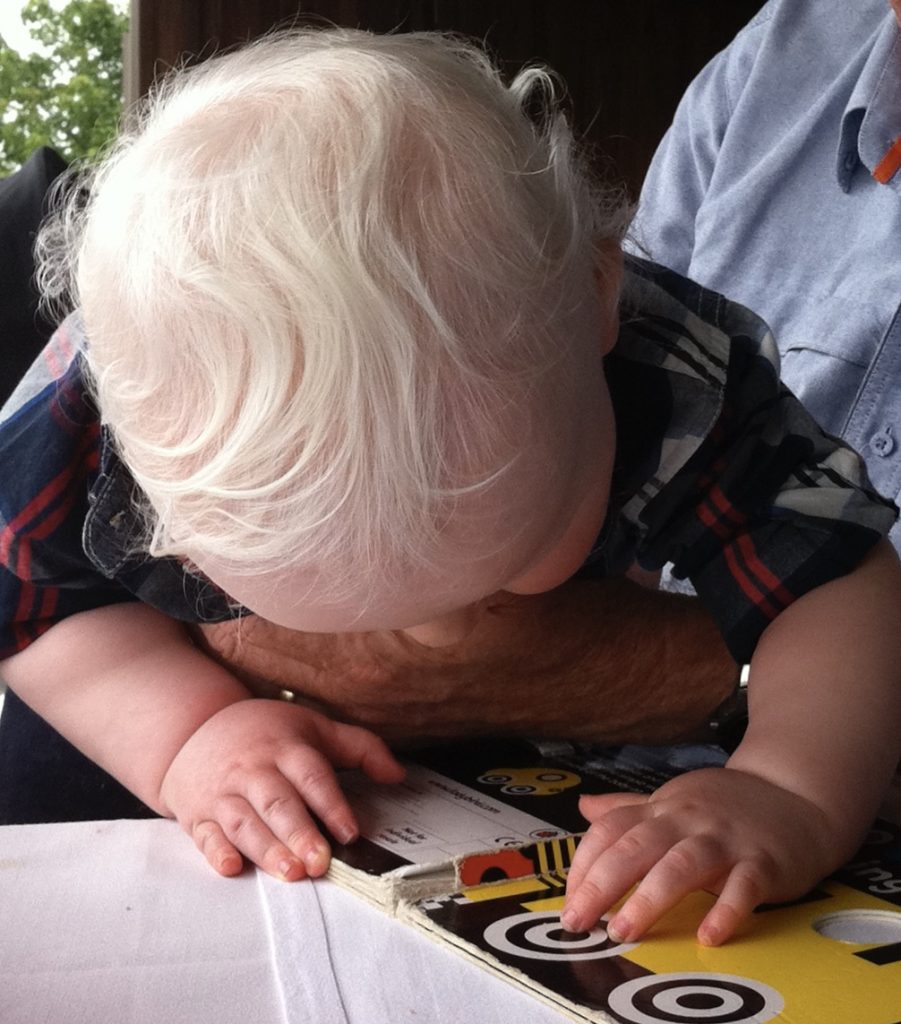
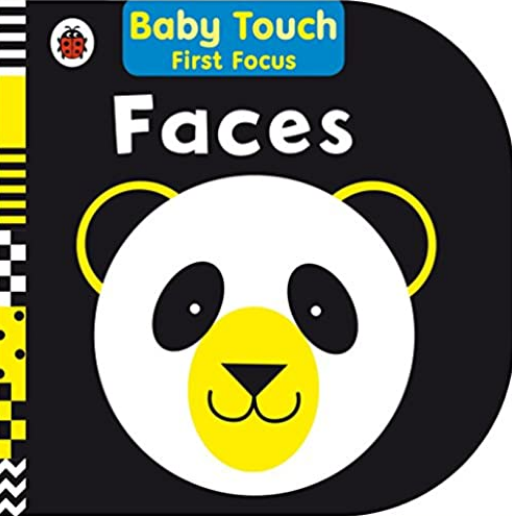
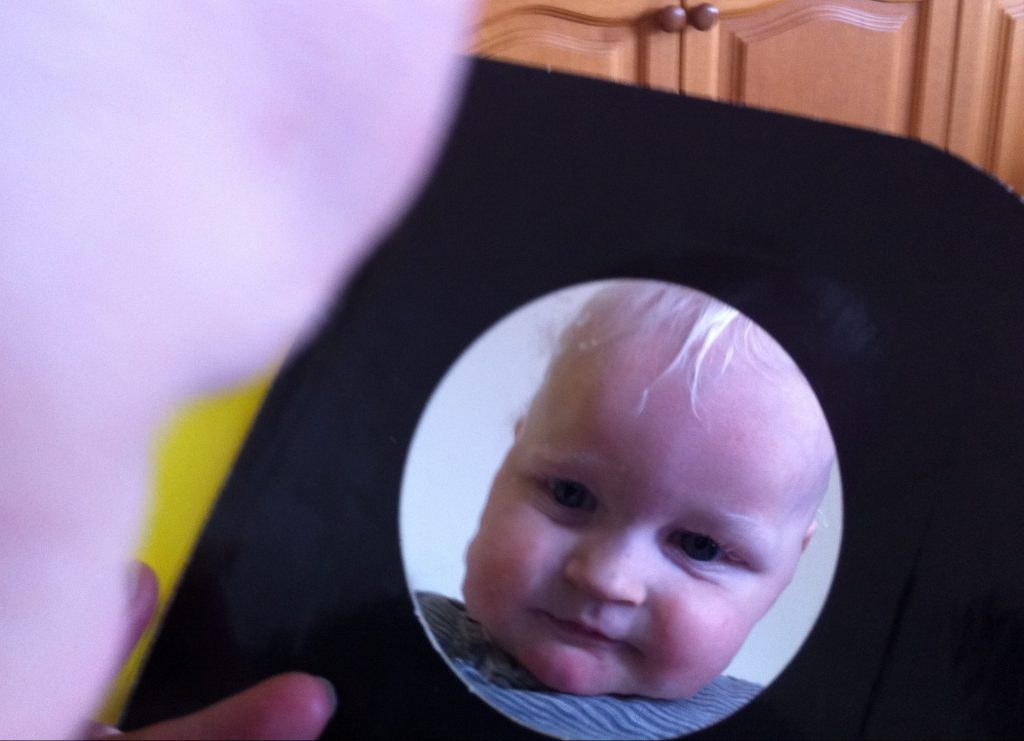
They will begin to see movement and shapes in the line of vision and will react to bright colours. You can support them by providing mobiles, toys and hard cover books that have very simple designs with high contrast colours. Black on white, red on black or yellow on black in bold patterns (dots, stripes, wavy lines or large simple shapes), or reflective panels are best.
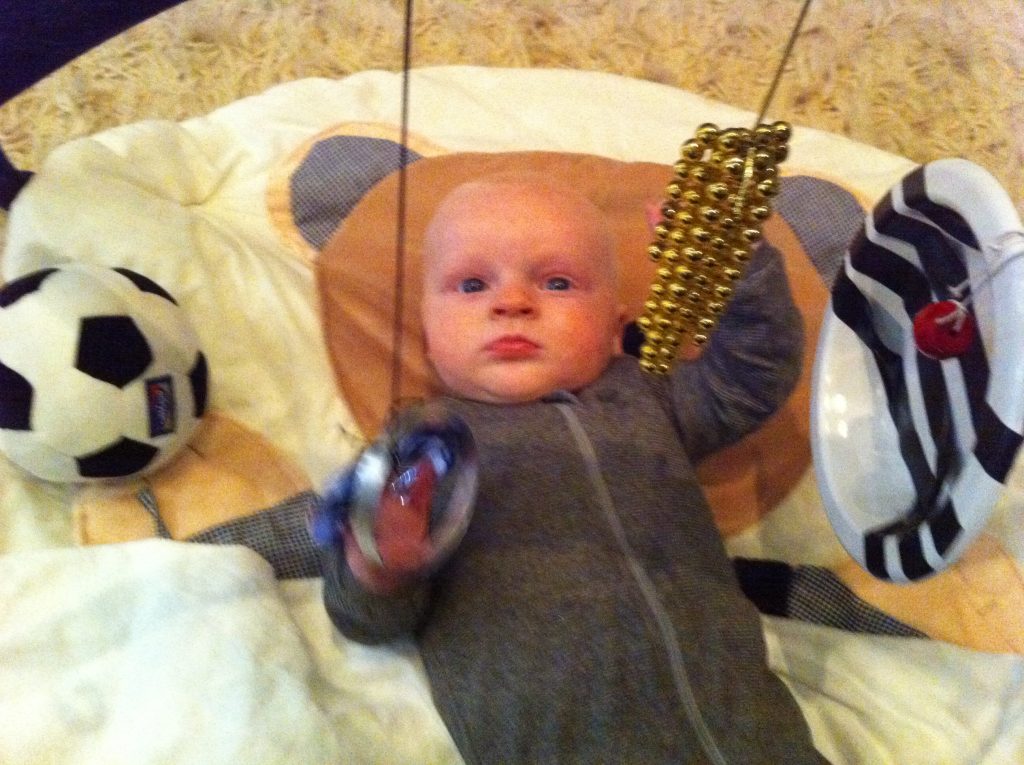
You can make mobiles by hanging a small paper plate with a bold shape drawn on it, a shiny Xmas ball, tinsel or alfoil shapes that will attract their attention as they begin to see. The beautiful, intricately patterned pastel commercial mobiles and books will not be seen as clearly, and the many bright colours of a jungle scene will be too complicated.
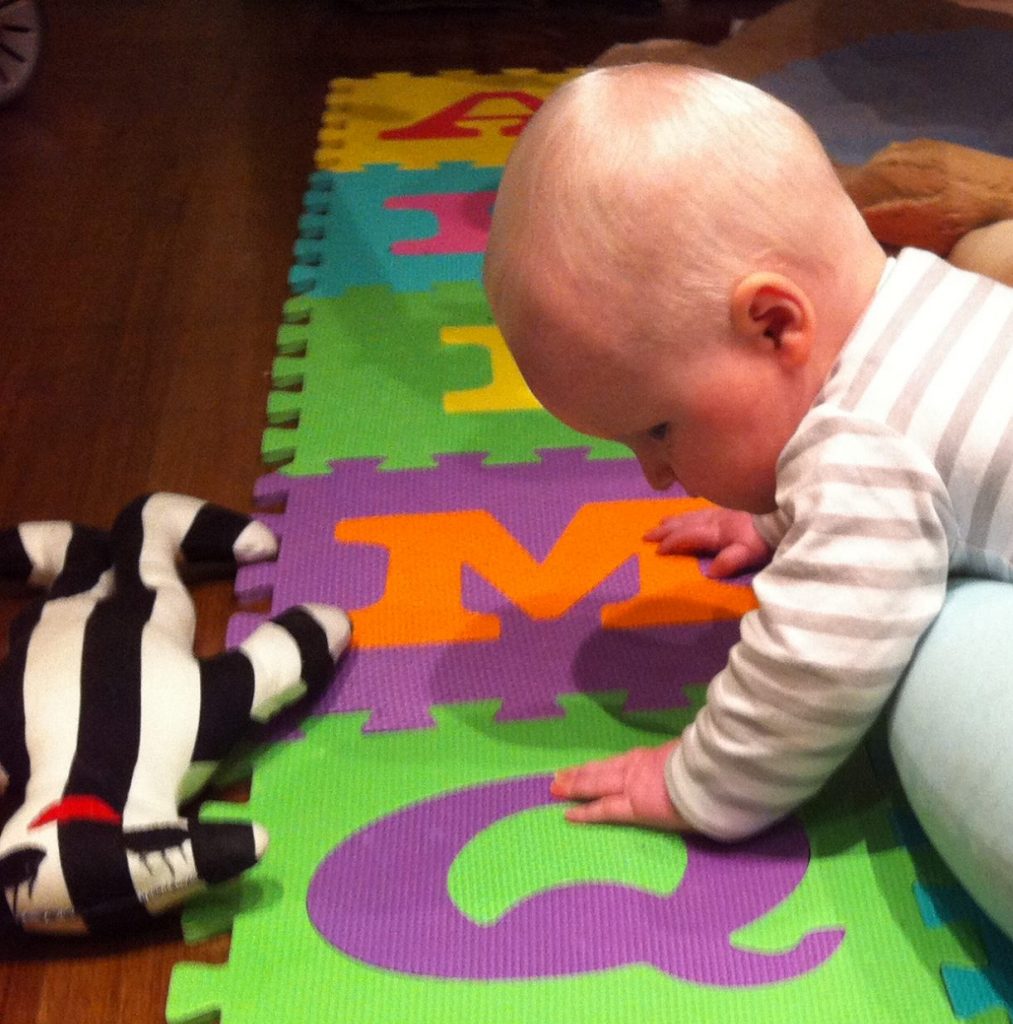
A simple stuffed teddy made of fabric with bold black and white stripes is often favoured over the paler ones that get lost in the bed linen.
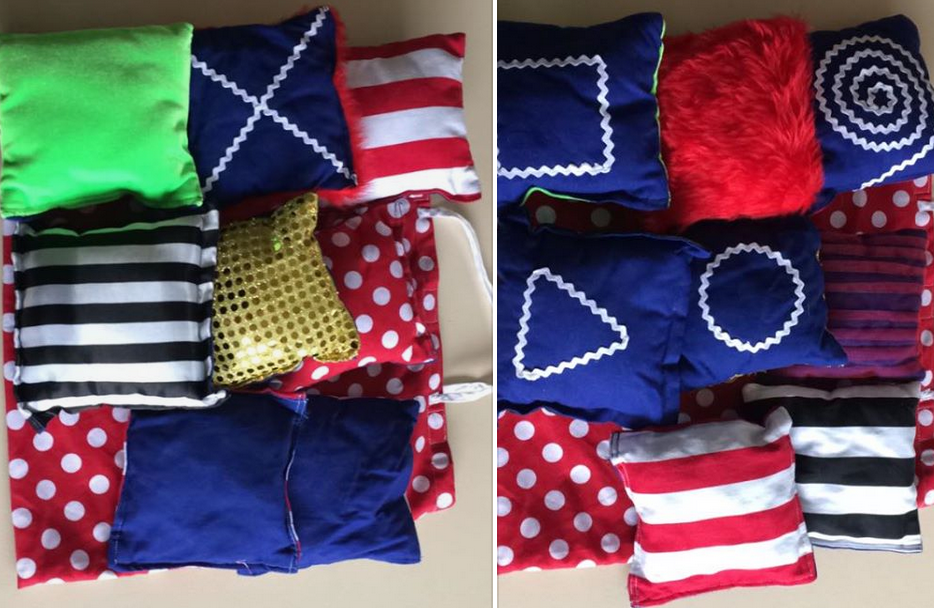
Small tactile bags (about 15cm square) made from fabrics of different textures, bright colours and with contrasting patterns filled with cushion wadding make great toys that they can handle easily. You can fill some with crinkly paper or plastic, hide a bell or styrene shape inside for the child to hear or feel.
Toys that rattle or chime can be used to attract their attention and you will find that they often love music and making a noise. Hearing and touch are important additional senses for your baby to understand their surroundings and what is happening. They learn to identify voices and a range of sounds very quickly, but if a TV or radio is always playing loudly this will interfere with this.
Some parents dress in bold, plain colours at home that will contrast with surroundings for their child to find them, rather than a floral pattern that will blend in with surroundings. When outside remember to shield their eyes from glare (it can be painful) and if you want to talk to them, make sure the sun is coming from behind them, even in the winter.
Tinted car windows (as dark as allowable in the back) are essential for some, and even windows at home, ensuring you turn them away from the light source as it will help them to see better. However, don’t make it too dark as good light (without glare) is needed to see. Think about the positioning of the cot in the room so that it is not directly under a bright light.
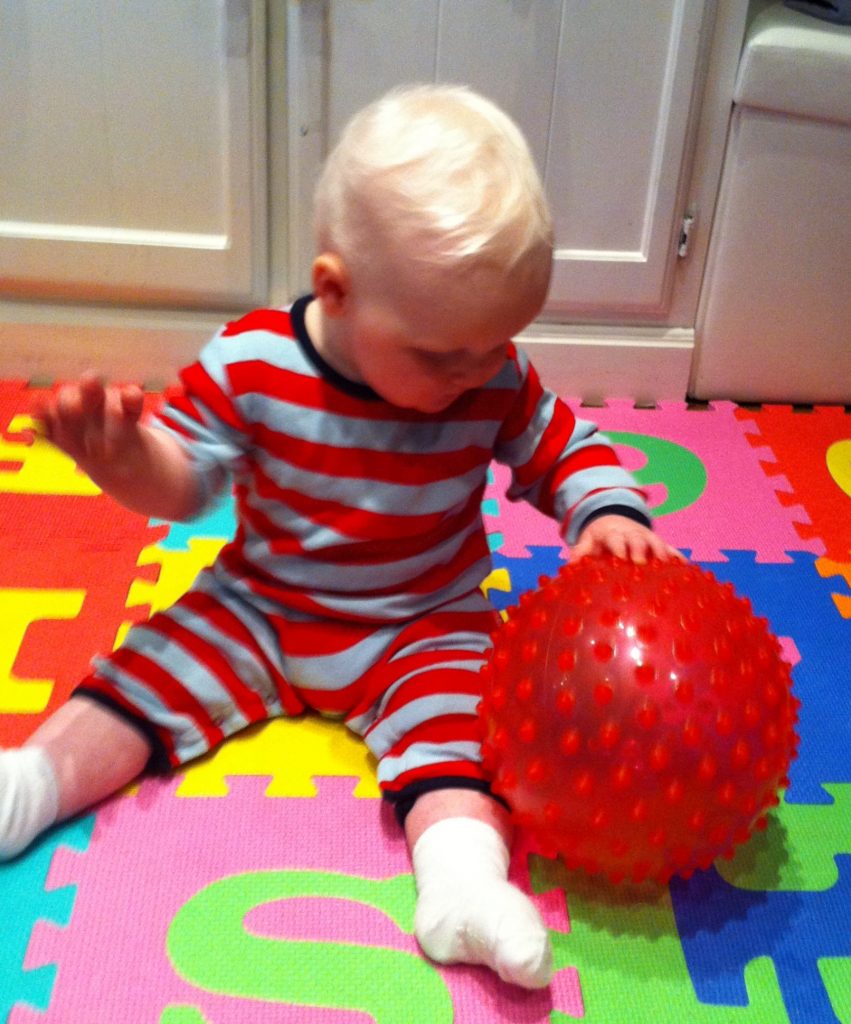
Sighted babies roll over, wriggle or tummy shuffle and finally crawl to reach people or things in the distance. If you ensure there are always some toys just out of their reach (but where they can see them), they will be encouraged to try to move to them. A brightly coloured ball that rolls away slowly as they touch it is another good target. They may be a little slow to reach some of the usual milestones, but they will get there!
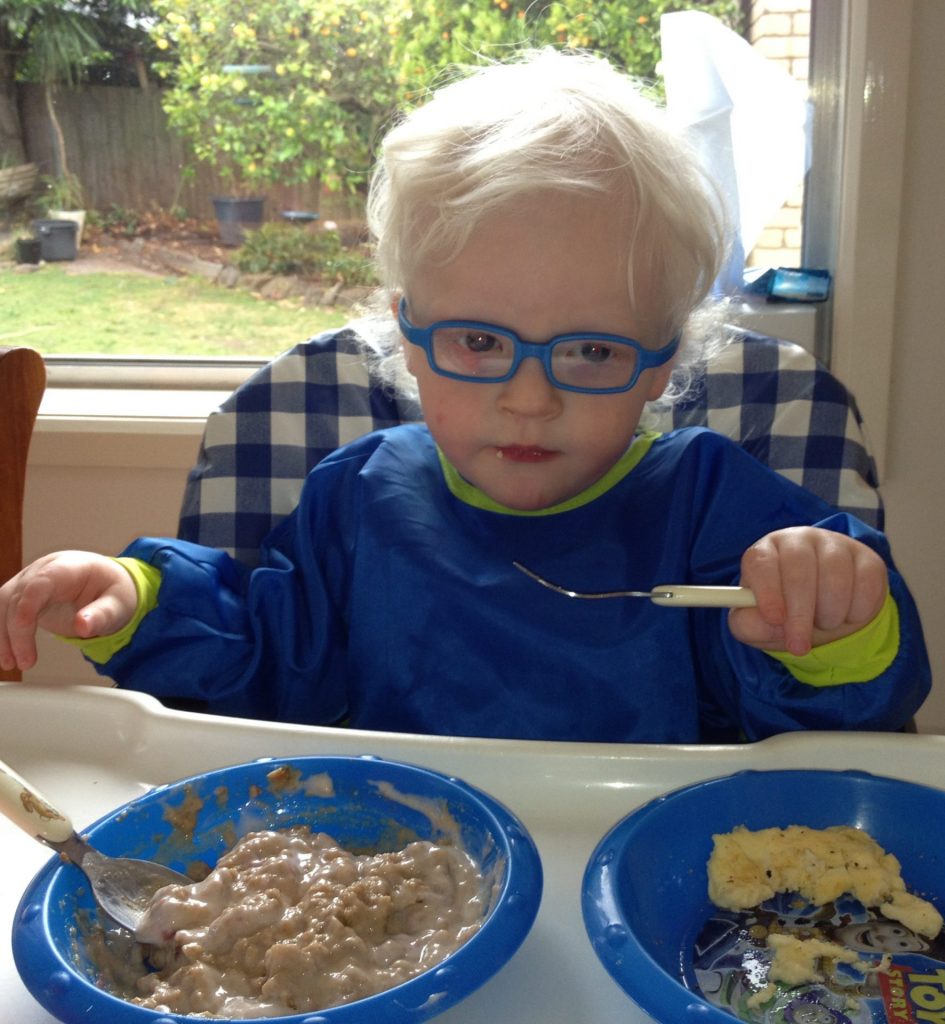
Once they begin to pick up food for themselves, do let them feel for it – it may be messy, but this way they can learn to identify things. Consider the visual contrast between plate and food – patterned plates do not help, neither would peas or beans on a green plate, or potato mash on a white plate. Using cutlery may take longer as they do not easily see the food to be picked up with a fork, or judge the depth of a cup or bowl of liquid – but they will get there!
Other support
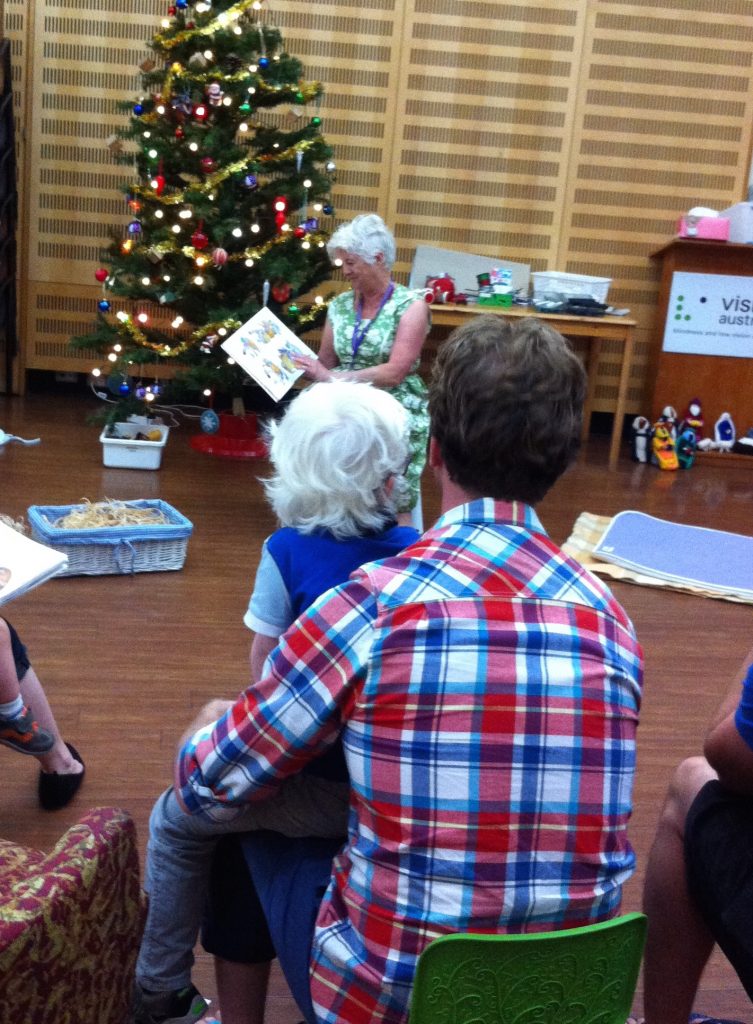
It is important to seek the advice and support from an Early Intervention specialist in low vision as soon as you have a diagnosis, to ensure you and your child are on the right track to develop a range of vision and mobility skills. You will find Early Childhood Early Intervention (ICEI) specialists at the major providers and this can be funded through the NDIS (see the Available Support for children tab). If you have access to a low vision library such as those run by Vision Australia, suitable toys and books can be borrowed to provide variety (in Victoria, VA will post them to regional areas).
Your Toddler
Once they learn to crawl or walk, they are like any baby – they are off, and low vision does not seem to slow them. At home they very quickly learn the different surfaces and memorise where things are, to the point that you begin to wonder if they really have a vision problem – until they try to look at something intently with their nose very close to the item. Ensure that there are no tripping hazards (rugs that lift, power cords, clothes on the floor) and tell them if you move something into their normal pathway.
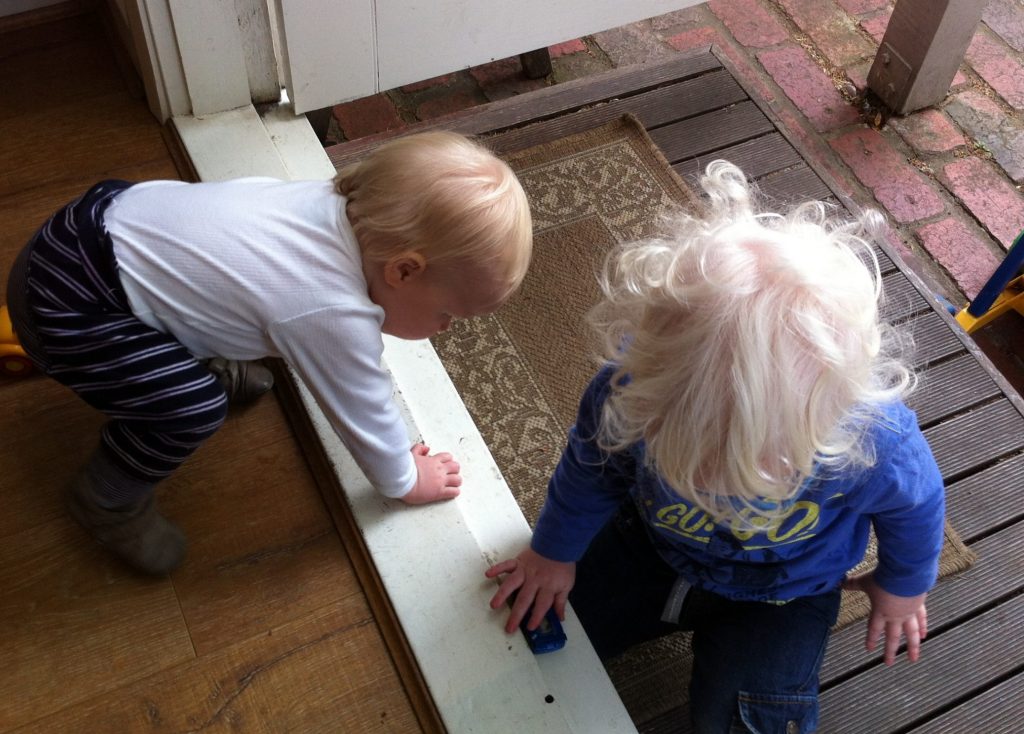
Do mark any stairs, steps, edges of patios or paths with yellow tape or another indicator that they will see and make sure that handrails are installed for stairs or at the edge of a larger drop for safety. Also make sure that glass sliding doors or large windows have some sort of pattern on them to allow the child to see whether they are open or closed.
As they have poor depth perception, it can help to put protection on the pointed corners of benches or tables that are at head height – you can buy them at a hardware store, or use a tennis ball with a piece cut out to push onto the bench. Once you take basic safety measures, let them run and play like other kids! They may have a few spills – but what kid doesn’t!
Body language and facial expressions are an important part of communication and our children do not easily see these. It is important to vocalise how you are feeling in simple words (happy, sad, excited) as they rely on the spoken word to understand, and your tone of voice may not correctly reflect your feelings. You will learn to be more descriptive in language, telling them the toy they are looking for is in the red bookshelf (no longer saying “it is over there” or pointing), that the noise they heard was daddy dropping the saucepan or Nanna has just come into the room.
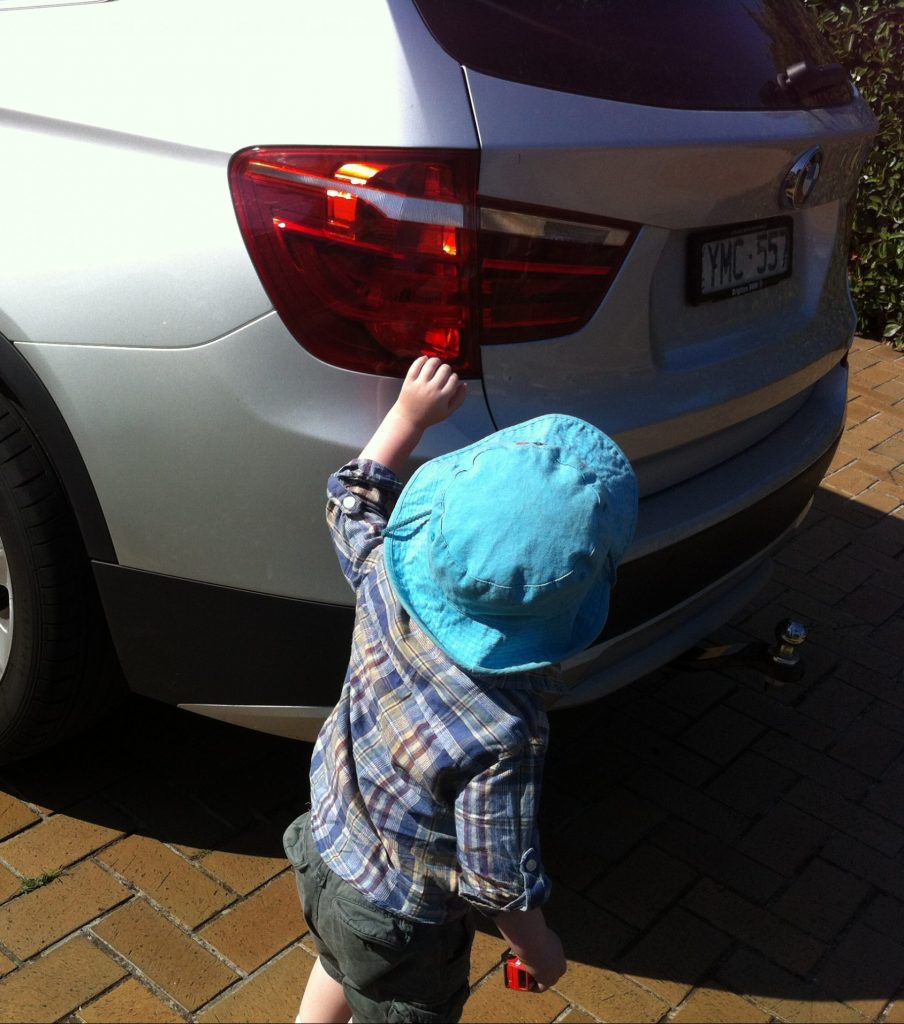
You may begin to notice they have excellent hearing, a great memory, and can associate certain smells with people or places, using their other senses to support their low vision. Touch is important to them, and you may notice that they don’t just look at a car, they also need to feel it! When they are away from home, they may initially be hesitant to leave your side, but give them time to take in the surroundings. They may need you to help them negotiate where stairs, footpaths and other drops or rises in terrain are. They will generally begin to explore on their own and you may see them begin to “map” the room or yard, slowly going around the outside first and then exploring, memorising where everything is. Once they confidently know the area, they will join in playing with other children as if they did not have low vision.
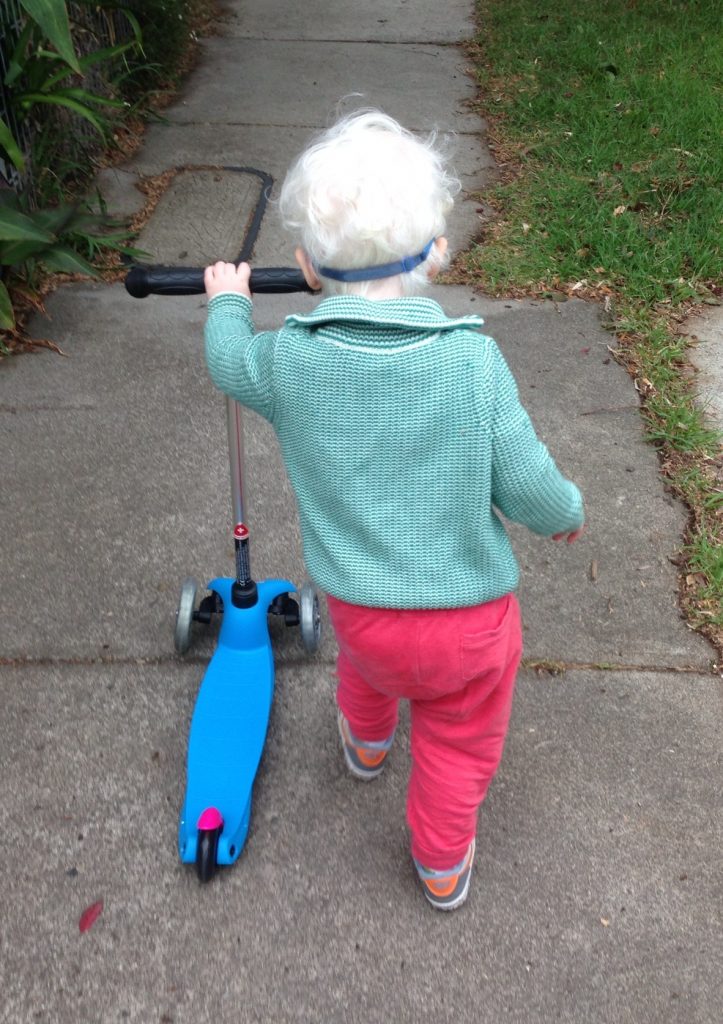
These amazing little people do not realise they are different, they just find different ways to do things – the start of being capable and confident, in overcoming low vision to achieve their dreams. On the other hand, some of our albinism babies have no fear and charge ahead taking on each and every challenge, and seeing an adventure with every step. Don’t overprotect, but don’t assume their confidence is warranted either.
In a larger room or area outside, you may need to move around with them initially until they gain confidence and let them know where you will be. In open parks or sports fields, it can help to set boundaries that they do not cross, such as a group of trees, line marking, or pathway that they can easily identify. Encourage them to explore and keep chatting to them or singing so that they know where you are.
Some young children can become quite distressed in very crowded noisy rooms or areas, especially in public, as they cannot rely on their hearing to “fill the gaps” and then have no idea what is going on, who is near them and whether they are safe. Discussing what to expect beforehand and letting them know that someone will be with them, providing strategies to cope and having a “plan B” to fall back on, can ease anxiety. Noise cancelling headphones can get them through noisy sections in a children’s film or show, a noisy restaurant or sports game, so that they can join in with family activities.

It is important to have regular check ups with the ophthalmologist, as at this stage the ophthalmologist may identify long or short sightedness or other eye condition common in children. They may then recommend patching or prescription glasses – look for ones that have a flexible frame and strap around the back of the head to make them secure. Little ones will often reject them at first, but will soon learn that they benefit vision – it is worth perservering.
It is important that they have an opportunity to socialise with children other than family at an early age, making any future transition to Kindergarten or school much easier. Having strangers rush up to you, or moving quickly in an unfamiliar area can be challenging for low vision children who have not experienced it much. Attending a playgroup regularly, or a commercial play centre can help them to learn to mix with new people, or if that is not available, use contacts to start your own playgroup, sharing turns to host it at home. If you are planning to return to work, prior experiences will assist them to settle in to childcare quickly.
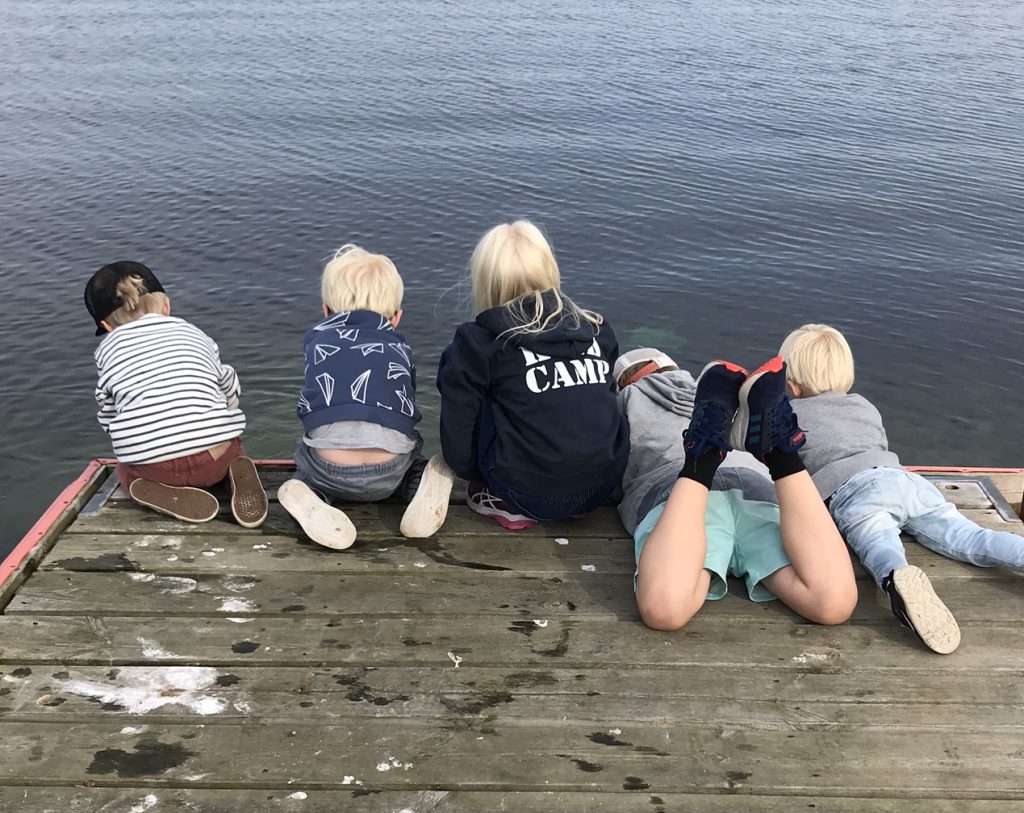
When choosing a facility, listen for how they will care for and interact with your child, rather than talking about their wonderful facilities or the latest educational marketing strategies. Go with your gut feeling about how interested they are in learning about low vision and provide staff with information on how to best work with your child. See the Education section for more details and what support is available.
Your Pre-schooler
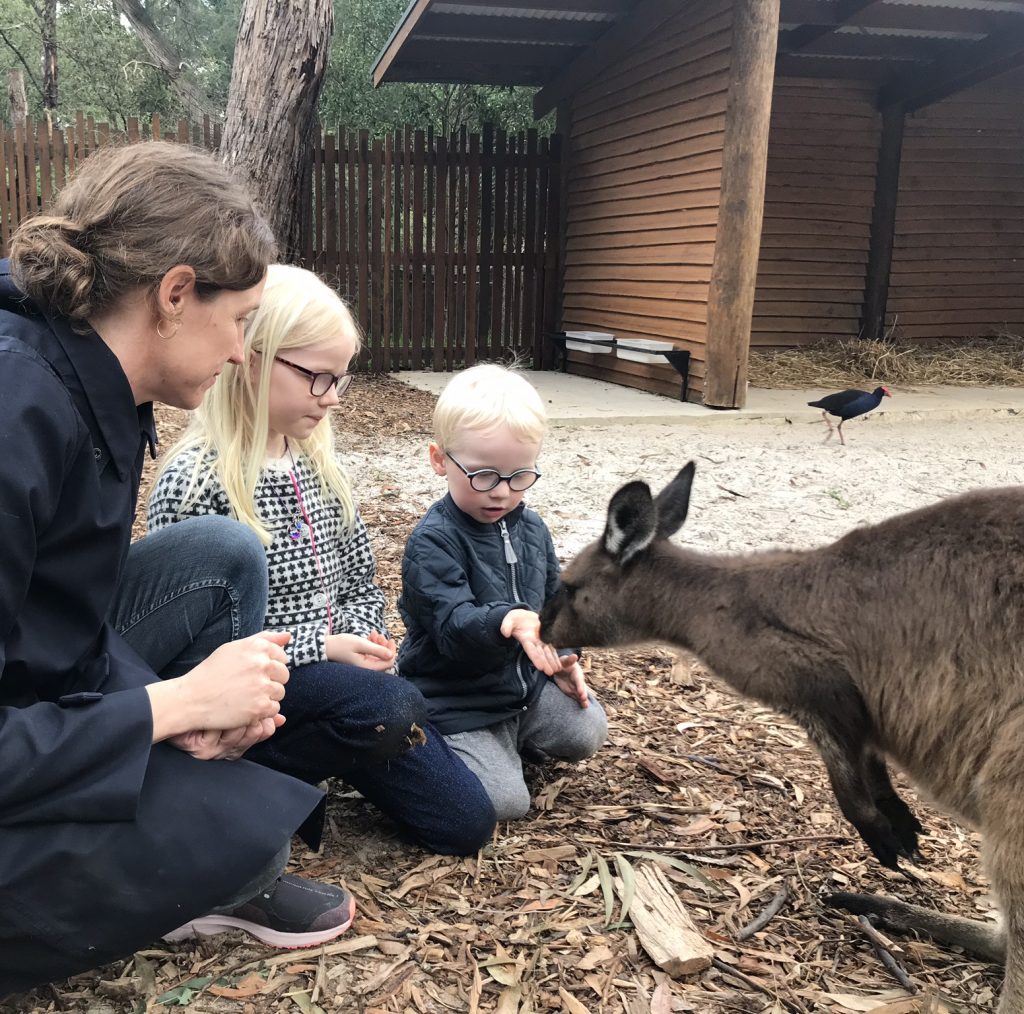
Have high expectations for your child, working towards independence in everything they do and don’t allow them to do less because of their vision. Encourage them to be inquisitive and ask questions, create and explore.
Expose them to as many different experiences, locations and nature as you can, remembering to talk about the surrounds that they may not be able to see clearly. Going to the zoo or animal park, try to see animals that will be close to the path (like Meercats and Kangaroos) as well as those further away, to make sure they have a good experience. Ensure their basic safety, but let them be free to try things and make mistakes.
Create an expectation that they will achieve at school, have a job and lead a normal life. Many successful adults with albinism credit their success to parents who made sure they did everything their siblings did. They were expected to do chores, ridebikes, swim, play sport or games outside that other kids their age did, even though it was more challenging with low vision.
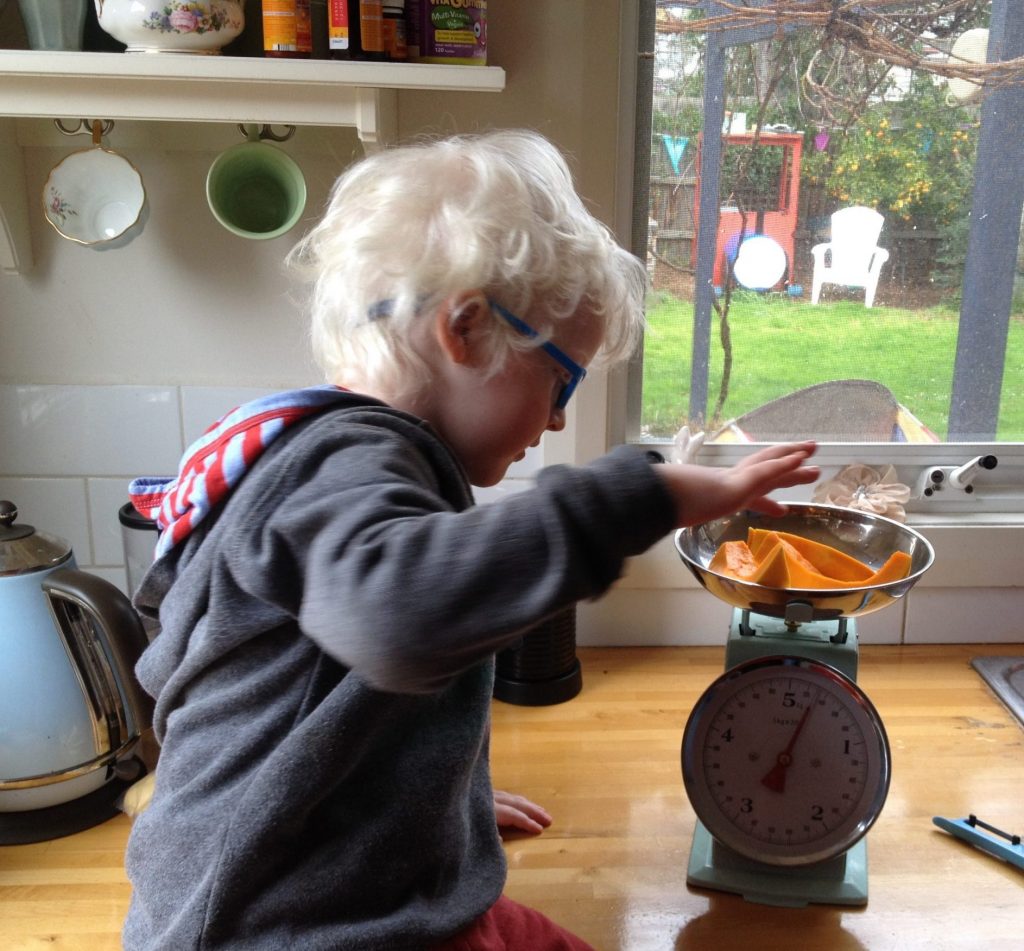
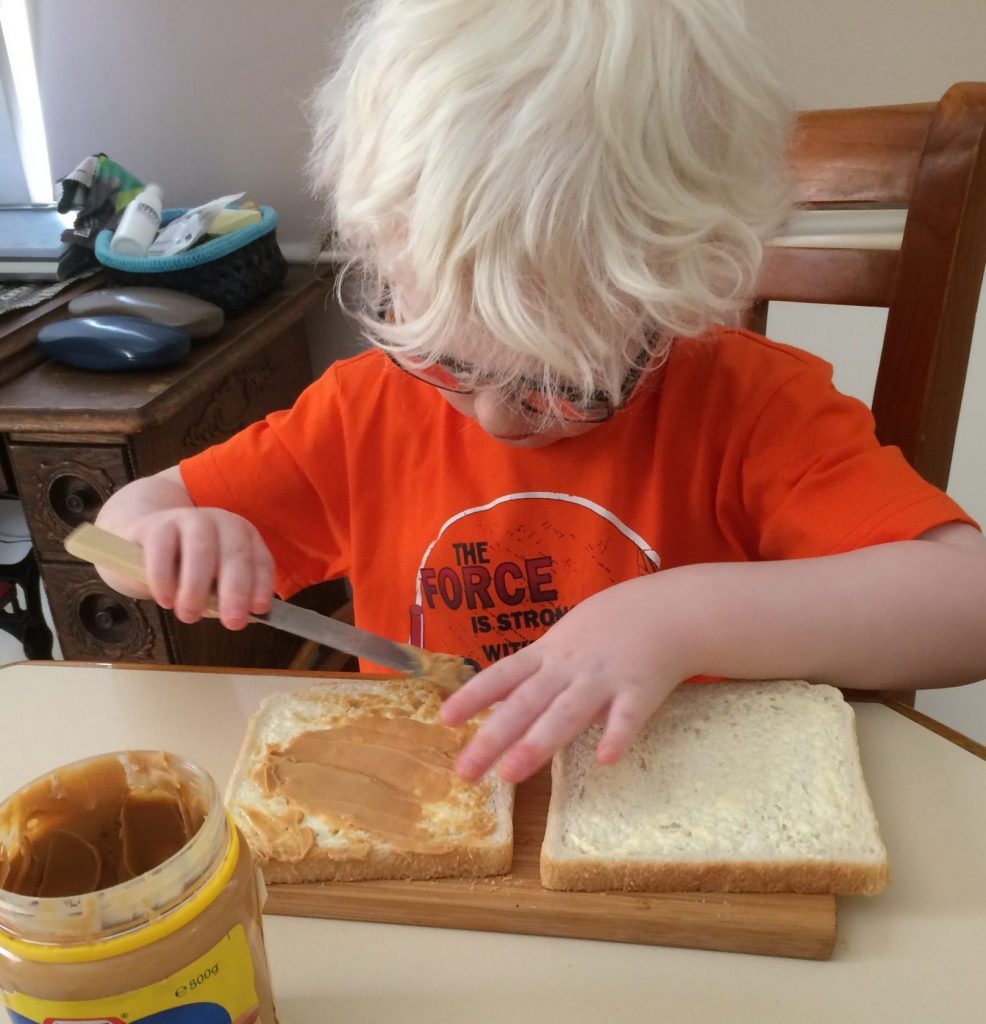
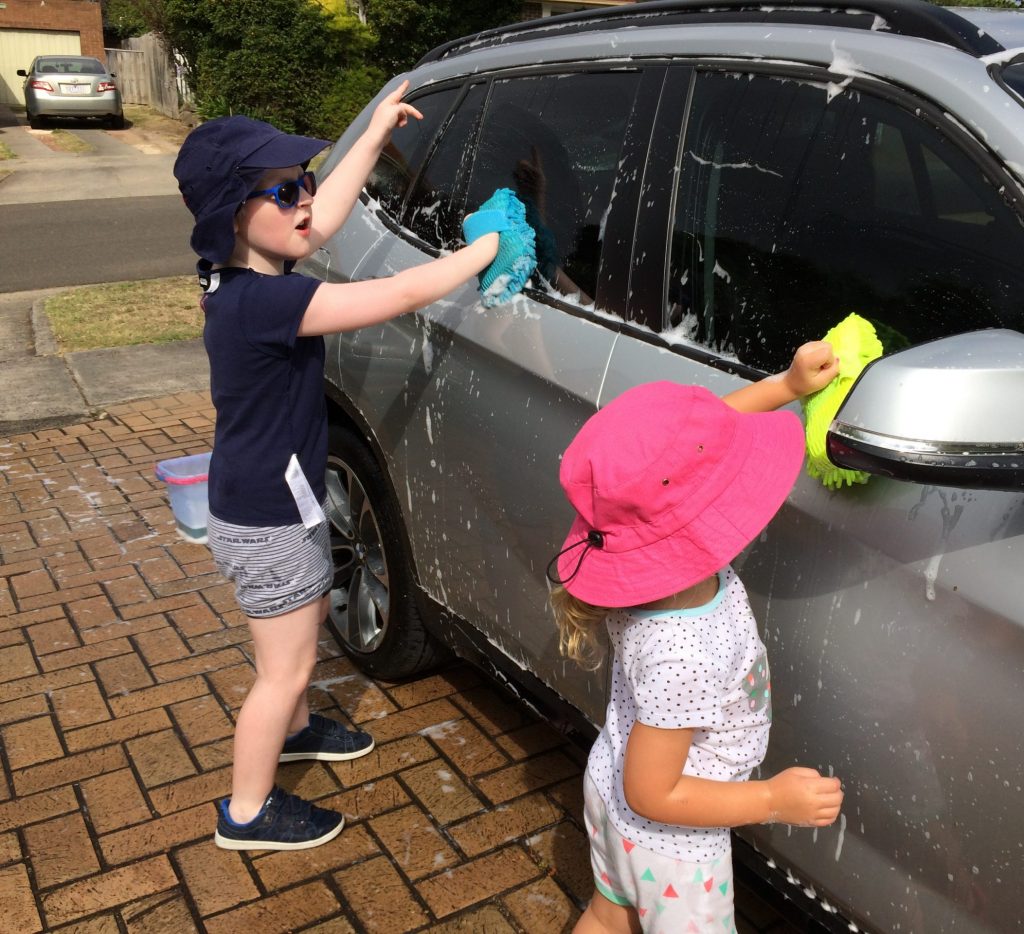
Early introduction to age appropriate household chores and being responsible for their own belongings creates a sense of contributing to family and an understanding that everyone works. One speaker at our 2017 AFA conference, Dr Karen Wolffe, stressed that career education begins in early childhood and the low vision child may need extra help to understand what is involved in jobs, something that sighted children pick up simply by watching. Her presentation and handouts from our 2017 AFA Conference are included in resources below.
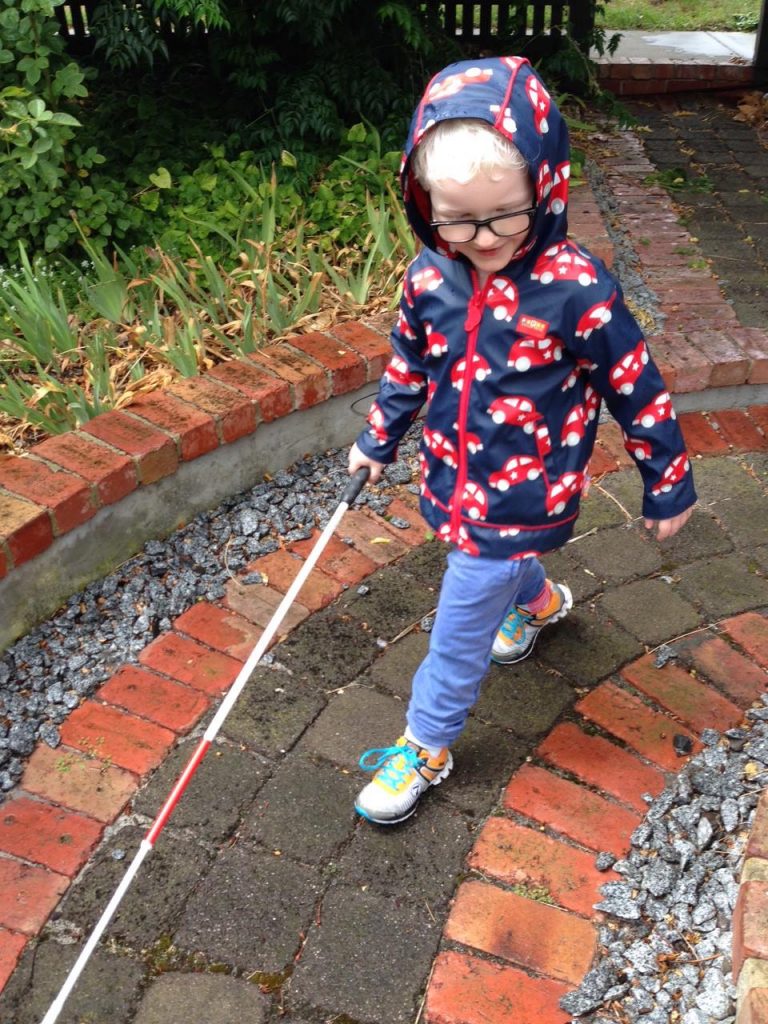
They may not use these aids often at this stage as you are generally with them, but it is a good age to learn the basics so that they have them in their “tool kit” ready for school. A small hand held dome will help them explore the fine detail of picture books and while there is nothing better than reading with your child, listening stories can be handy and are great to go to sleep with. If you have not already linked up with low vision providers for Orientation and Mobility (O&M) or Occupational Therapy (OT), we encourage you to do so, as this is the age that they can begin using a cane or monocular (if this is needed, depending on their vision) and see if they need training in fine motor skills.
Assistive Technology – Some things to consider
The following notes on technology are provided by AFA member Glen Bracegirdle, an Assistive Technology specialist.
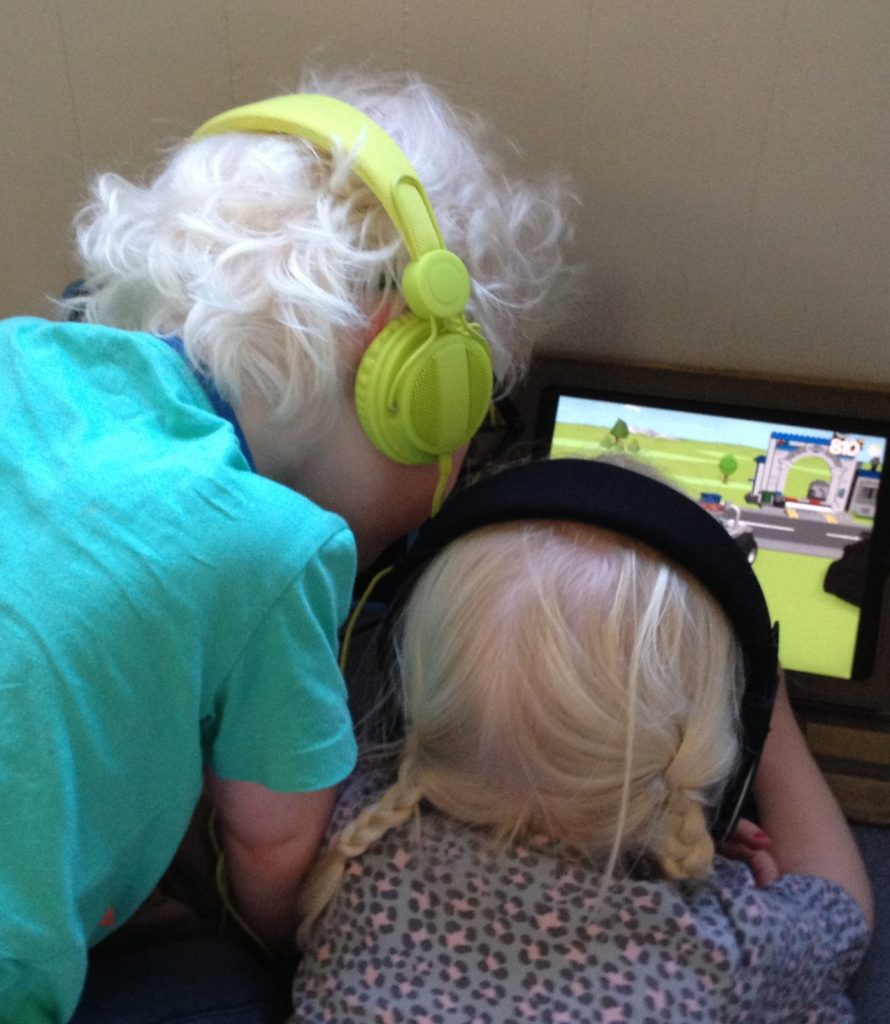
- You might need the device (iPad, TV or whatever else) close to the child’s face to see easily – often closer than 1 metre.
- It may be of benefit to reduce brightness down to 50% or less.
- If the child appears to struggle, try reducing lighting in the room by shutting blinds, (or turning them in the case of verticals and venetians), and turning lights down or off, as all these things can make it easier. Try using tall lamps instead of overhead lighting.
- Beware of reducing the light too much as this can also make vision difficult.
- If a TV is wall mounted up high, a child may have difficulty seeing it and this can cause neck pain through looking up (and likely head turning for focus). Mounting the TV fairly low at about child’s eye level can make a big difference and reduce strain on neck.
- Allow the child to sit close to the TV / screen. Family movie nights at home will become interesting as one child may feel separate to the others, but they will lose much of the screen’s image if they are placed too far back for their own vision.
Resources
AFA Produced documents
- It really does all work out – (pdf) advice to new parents from AFA mum Rebecca Francis.
- The things that all parents worry about – (pdf) it is normal to worry but you will find answers and they will be OK! An AFA prepared document.
- What to look for in books for little children with albinism – (pdf) by Elizabeth Beales (library technician and PWA)
- Books for you and your children – (pdf) recommended by AFA members.
Other Resources and links
- The Time is Now – Presentation by Dr. Karen Wolffe at the 2017 AFA Melbourne Conference. Preparation for life starts at home… expectations for children.
- Age-Appropriate Chores for Children and Youth with Visual Impairments – (pdf) From 2 to 18 years – chores as part of learning for life! Notes provided by Dr Karen Wolffe when she presented at AFA 2017 Conference.
- Ten ways to promote the natural genius in your child: (pdf) Andrew Fuller
- Australian Government – Childcare Finder: for information on childcare, including how to check the quality of individual centres.
 Join us on Facebook