
Finding time and balance between career, family and personal or “me” time is generally a struggle for everyone. The demands and routine of the first two are always there, especially if you have a young family, but we need to also schedule time for ourselves, to learn new skills or crafts, undertake hobbies or travel, link with friends or simply relax and “tune out”.
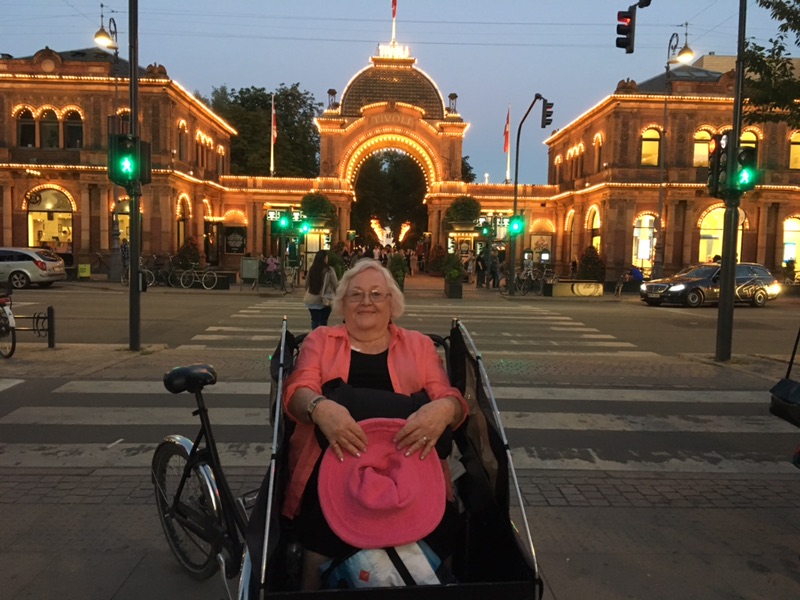
Retirement brings another phase where we have the time to take up new hobbies or crafts, learn to play an instrument, to sail or play golf, travel more or enjoy grandchildren. We hope that by sharing experiences, with tips, ideas or stories of fun activities, we can find that balance and show what is possible, despite low vision. You will also find information below on how you can gain support to achieve this.
Please contact us at webmaster@albinismaustralia.org if you think you are able to contribute to this section, even if it is only a few lines or paragraphs.
Information below is included under the following headings:
- Parenting with albinism
- Travel and Community Involvement
- Music and the Performing Arts
- Driving Issues and Bioptics
- Personal Grooming
- Resiliency, self-advocacy and advocacy
- NDIS Support to Achieve Lifestyle Goals
Parenting with Albinism
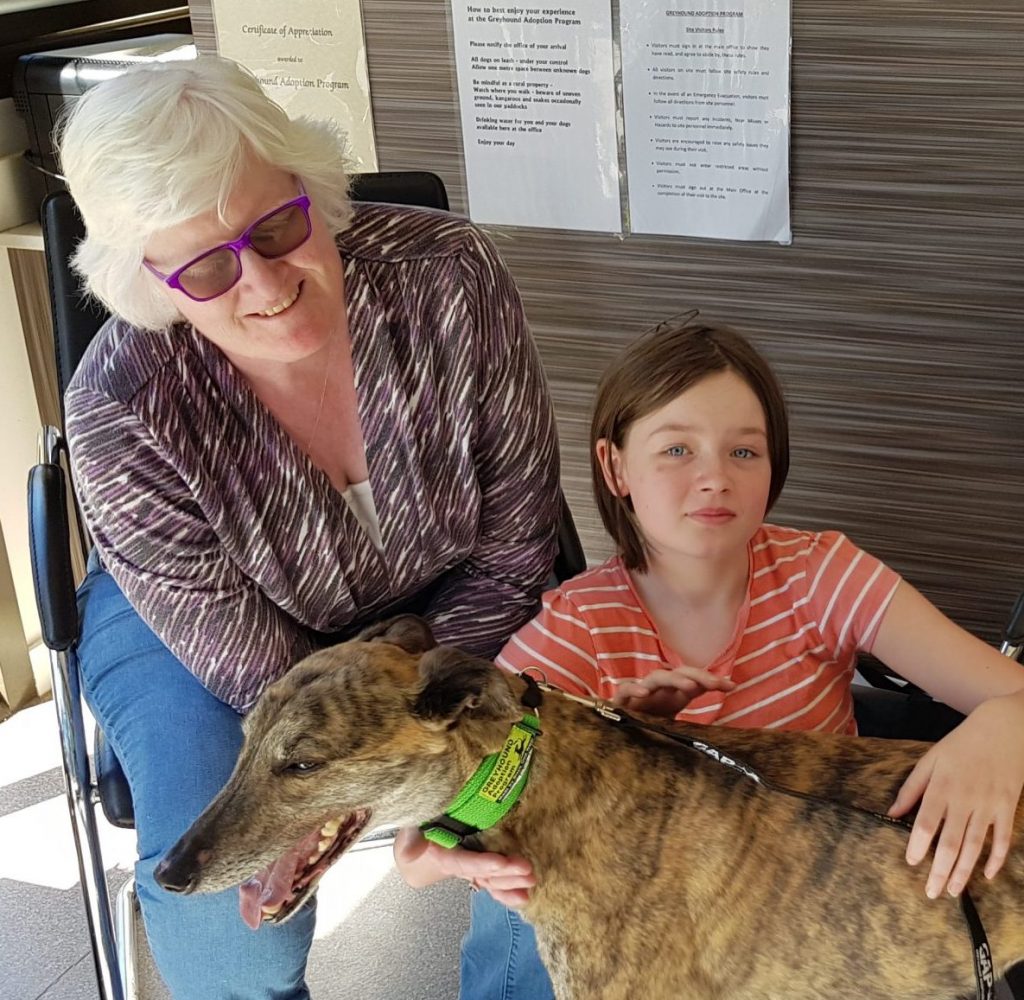
There will be challenges – depending on your functional vision. Some will do just fine, others will need to make adjustments and some may benefit from support from a provider to learn tips and tricks to make life easier (funded by NDIS).
Those with lower vision and mobility issues may need ongoing support to provide for their additional needs. Pushing a pram with toddlers alongside to use public transport, to go shopping or get older children to sports training or events while using a cane or guide dog can certainly be challenging, if at all possible. You can gain support through NDIS to assist you in this if you do not have a partner available at the time to share this with you.
We need help from PWA parents here (tips, tricks, funny instances, successes no matter how small) – anything that will reassure young people that there is always a way to meet challenges in low vision parenting. Contact webmaster@albinismaustralia.org with photos, suggestions, dot points or stories.
- Parenting the first (and second) time around – (pdf) Gail Penaluna (PWA)
Travel and Community Involvement
Travel is now part of the modern lifestyle for most of us, whether it be local, within Australia or overseas. We all know the challenges of reading timetables and vehicle numbers for public transport, or departure information at airports for flights – but we all find ways to meet them and travel. We find ways to keep up with friends, join community groups or volunteer with organisations, whether it be as a participant or in leadership poistions.
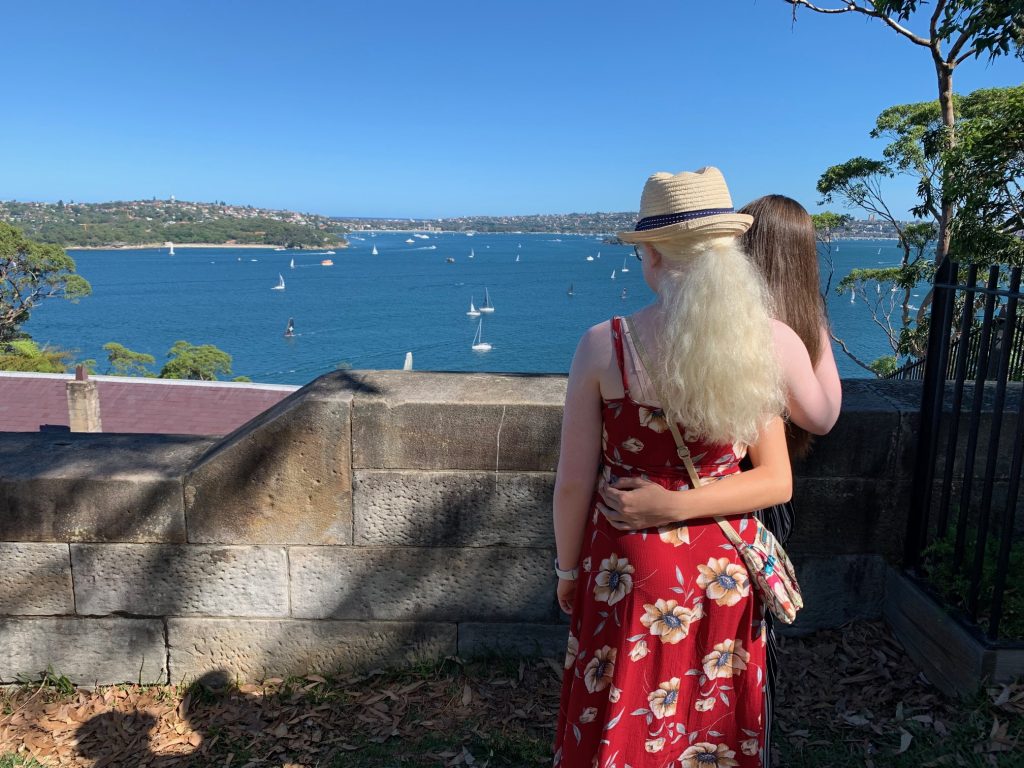
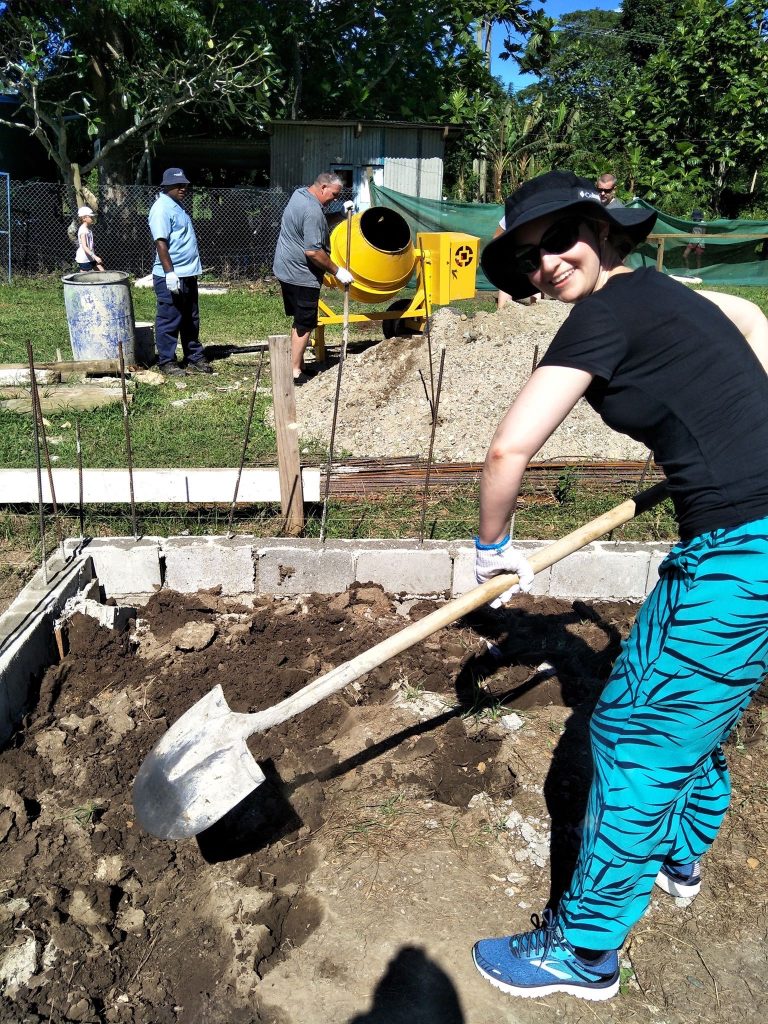
We would love to hear your tips or stories of community involvement or travel adventures anywhere – whether rarely travelled paths in out of the way places or urban experiences. Send them (with pictures) to webmaster@albinismaustralia.org for inclusion on this page. We hope to see you all at our next AFA Conference, no matter how far you have to travel!
- Travelling with albinism – Be adventurous and have lots of fun! Pictorial with Emina Hubanic
- Having a go and taking up leadership opportunities – life is great! by Ted Thomas, 2019.
- A model citizen and a committed volunteer – a story about Erica Webb from the VisAbility website May 2020.
Music, Performing and Visual Arts
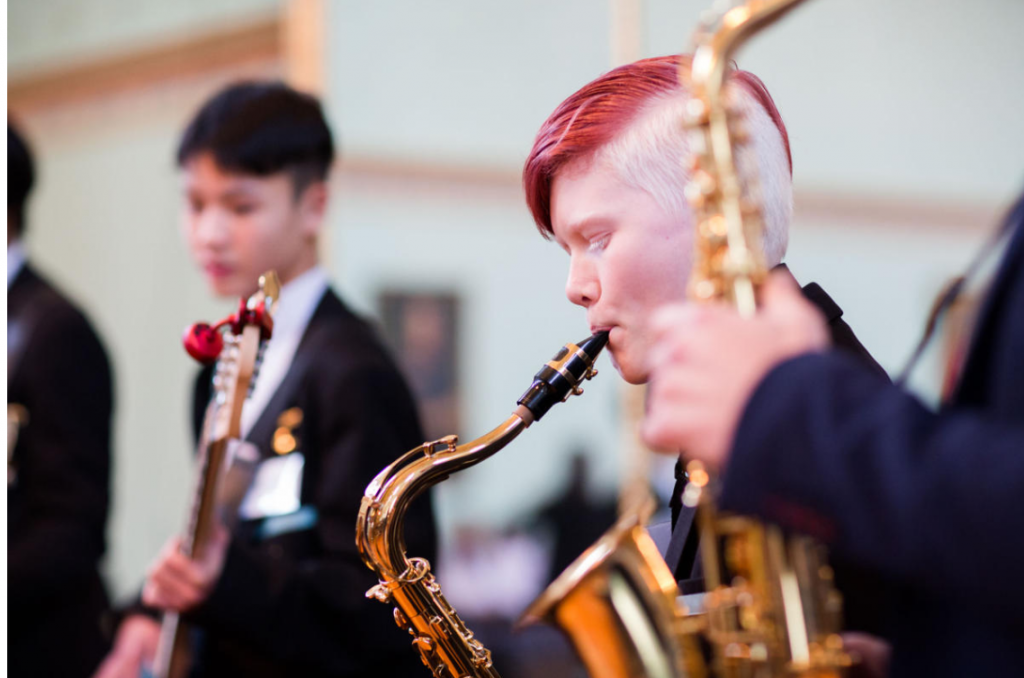
If you enjoy attending music, ballet or stage shows, there are steps you can take to make sure you can see and enjoy the performance. Many theatres now have audio description or allocate seats near the front for those with low vision – enquire before you book! Making sure you have your technology – monocular, binoculars (depending on preferences) or bioptics to see the detail and if you are legally blind take a friend/carer with free entry on your government issued Companion Card to help you negotiate the crowd and steps.
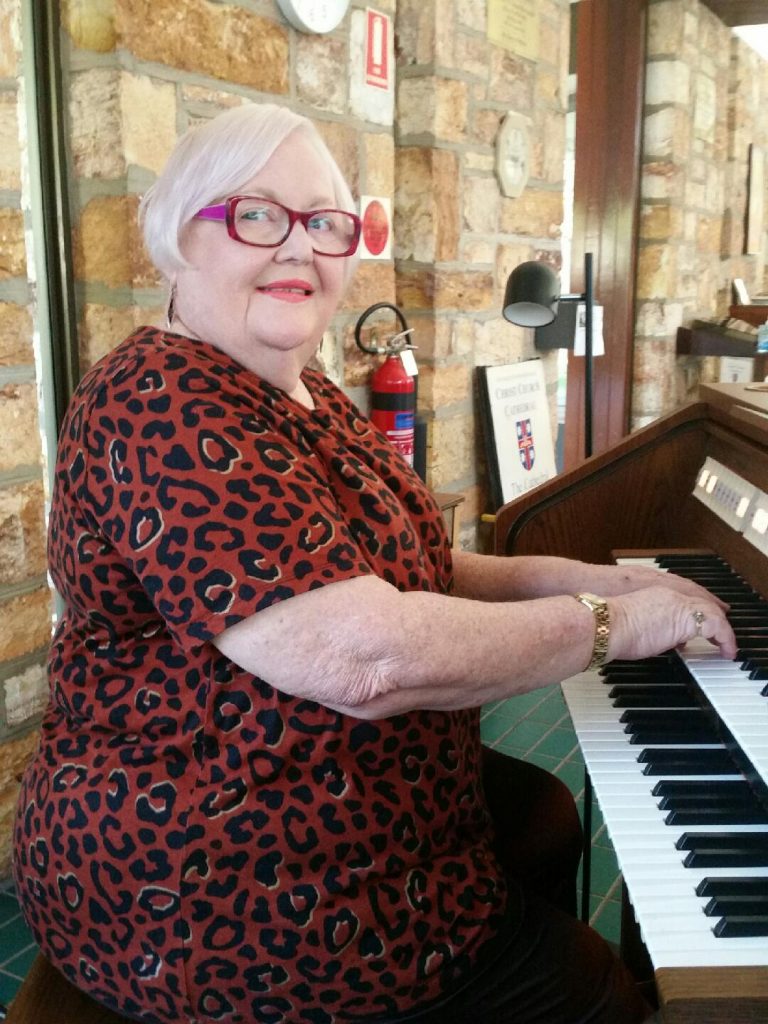
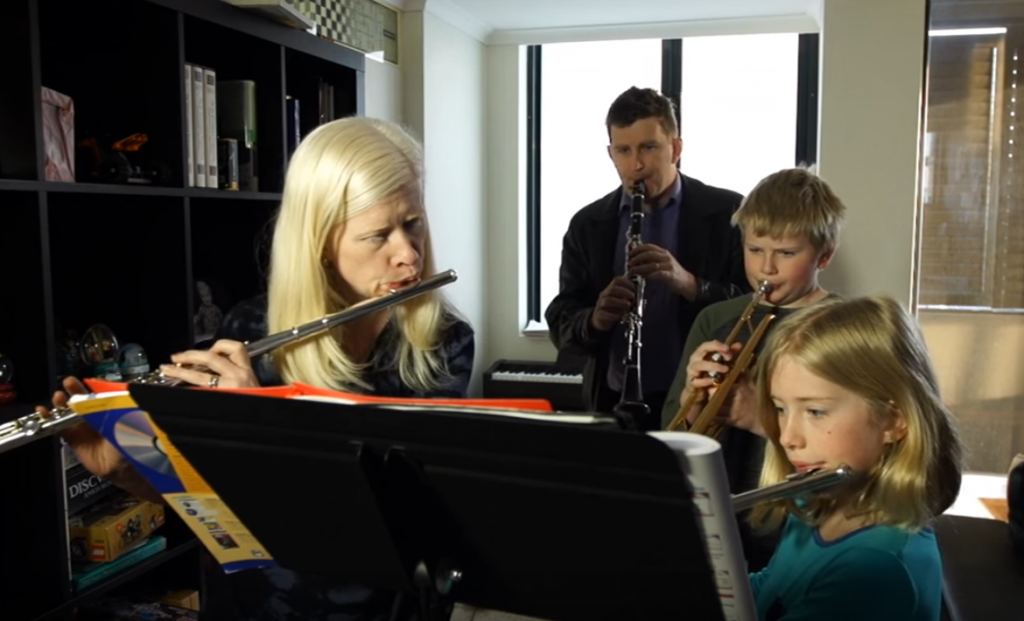
Low vision is not a barrier to playing music, dancing or performing on stage. Whether you are a beginner, joining a new social group, or performing on stage, take the time to discuss your vision with the teacher/director or others in the social group, so that they understand the challenges and can work with you to accommodate for them. Performing on stage may require adaptations to be made to cope with movement and lighting – these are discussed in member articles below. Some of our older musicians grew up using braille music and while this is still used by some with very low vision, technology has allowed access to enlarged sheet music on screens.
If you are interested in visual arts, investigate the range of Assistive Technology that may assist you as a painter, sculptor, graphic artist or designer. We would love to hear stories of your involvement in the visual arts!!
See stories or advice below about success in this area.
- Tips for musicians with low vision – by Melissa Baldwin (PWA)
- Music is part of my life – by Marina Connelly (PWA)
- Amazing opportunities and experiences in modelling and acting, by teenager Lucy Carpenter.
- Music for Children, Teens and Beyond – by Dr Barbara Williams Phd, retired music teacher.
Driving Issues and Bioptics
Obtaining a licence is beyond the reach of many with albinism. In most states your vision measurement needs to be 6/18 or better to be assessed by a medical practitioner as “fit to drive” and qualify for a learner’s permit. Some adults with albinism do have a driver’s licence and drive competently in all situations and conditions, while others limit their driving to what they feel comfortable with. In 2020 at least 2 low vision adults have been assessed as fit to drive with a bioptic in NSW, although this is rare. Recent developments around automatic functions in cars and the work of an Australian bioptic drivers’ group, are very promising – perhaps more of us will be able to drive in the future!
For those who just want to “have a go” and experience what it is like to drive, you can apply for “In the Drivers Seat” run by Warrandyte Lions Club, at Sandown racetrack in Melbourne each year. Blind drivers reach speeds of up to 100 km/hr in dual control cars, with an instructor beside them – lots of fun!! Other states may have similar events.
- Driving Issues and the use of Bioptics to Drive (pdf) AFA document
- Bioptic drivers Australia
Personal Grooming
We need your help here!
We all have funny stories to tell about applying make up or trying to trim a beard when we cannot see what we are doing. It can also be a challenge for those of us with OCA to find colours to wear that compliment our albinism and not leave us looking washed out. We would love to have you submit how you achieve this with tips of things to do and things to avoid, so that others can benefit from your experience!
Makeup for women who are blind or have low vision – this video was produced by Priceline and Vision Australia.
Resiliency, self-advocacy and advocacy
One of the goals of the AFA is to educate about albinism, whether within our own community, to professionals or the general public. Our biennial conferences provide both members and professionals the opportunity to present or learn about albinism – many of our teens also present! The International Albinism Awareness Day (IAAD) June 13th each year, attracts attention with both print and electronic media, picking up stories of those with albinism, generating interest and providing opportunities for education.
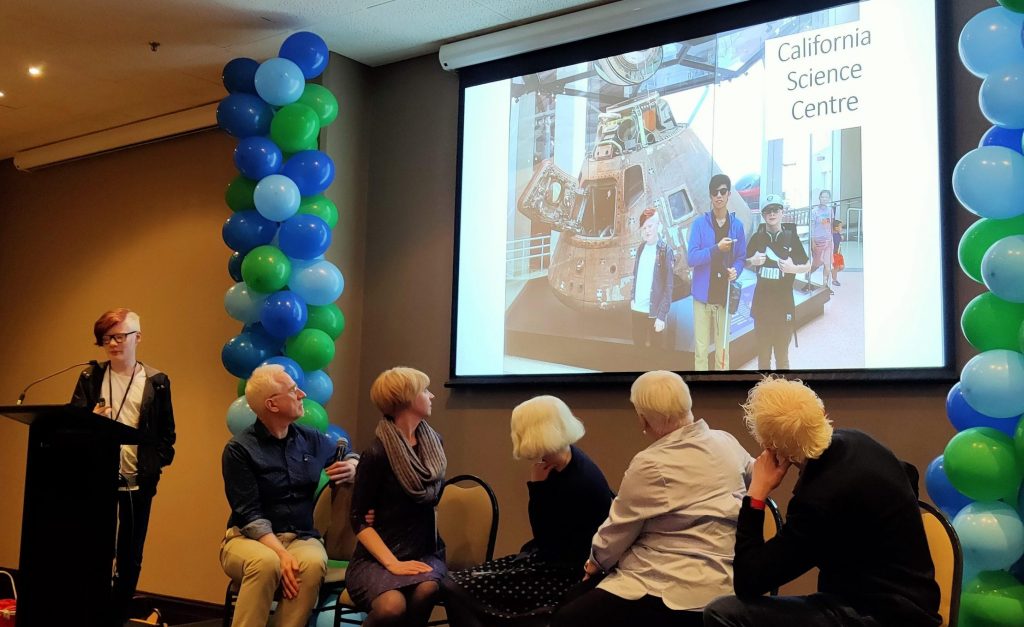
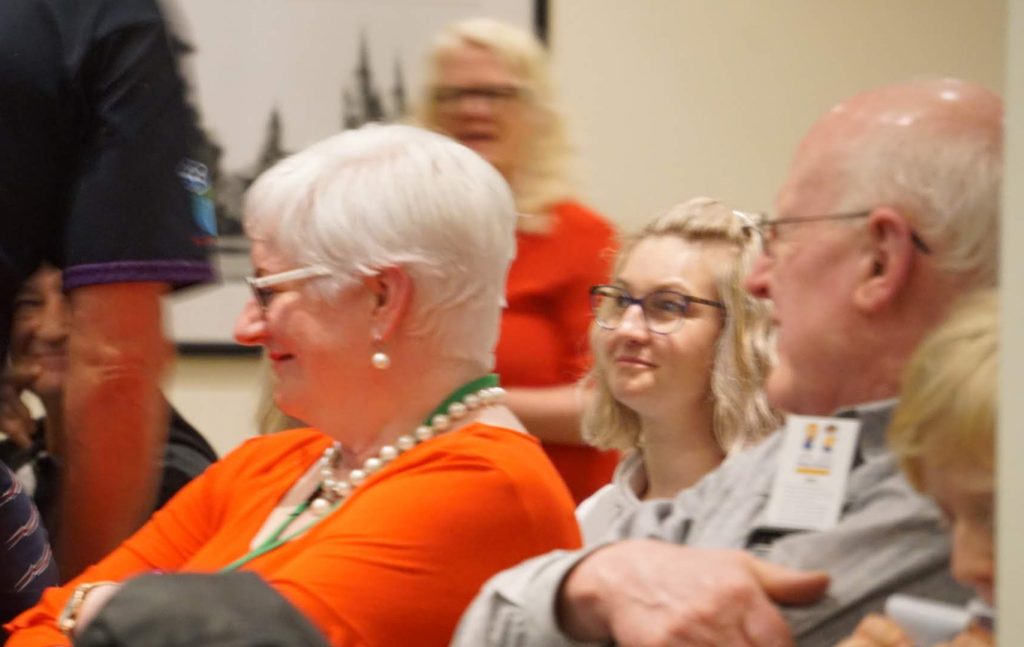
Behind the scenes the AFA Committee are continually working with health or education professionals and their organisations, to better understand albinism, answer questions and build networks of support for our members.
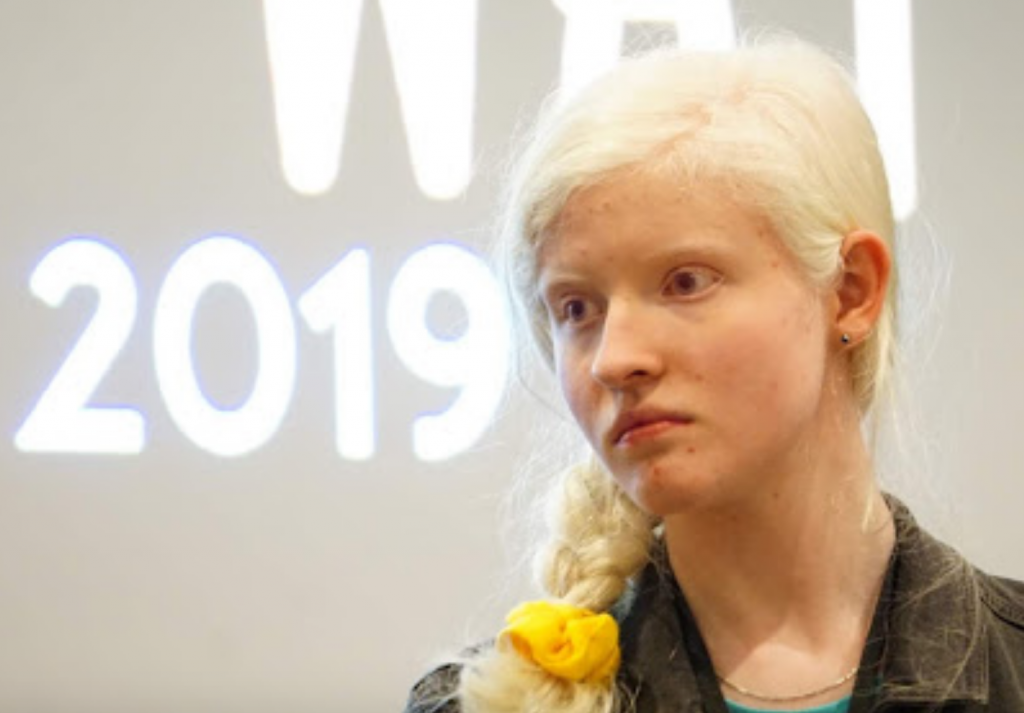
We can all be advocates for albinism, by getting on with our lives, confidently demonstrating what we CAN do. Sometimes we can accept seemingly inappropriate comments or invasive queries with good humour and use them as an opportunity to briefly inform about albinism. But this can take courage (and a bit of practice) and it is not always the right moment or situation to do so. Many say that “owning their albinism” has made this easier and allowed them to “fit in”. “I have albinism – so what, it is only a small part of me!”
We need your help here too!
Resiliency and self advocacy can be topics that we avoid discussing or seek assistance with, but we all know that at times things (and people) do get us down, especially when we are struggling with vision. Let us know if something has helped you in the past so that we can share here!
- Shine a light on albinism – Paralympian Chad Perris (PWA). Advocating for all with albinism and educating the general public through athletics.
- Advocating for those with albinism and low vision in the community – Erica Webb (PWA) Advocating to government and the community.
- A Note from the Grownups by Blonde Whimsy. Education helps others understand what frustrates us.
- Are Y’all Related? by Blonde Whimsy. Why are we all different – questions people ask and how we can handle it.
- So it would seem … Or not by Blonde Whimsy.
- Albinism in the movies by Blonde Whimsy. The need to educate about albinism to overcome the incorrect stereotyoes in movies.
NDIS Support to Achieve Lifestyle Goals
Examples of prior successful NDIS funding for adults with albinism (pdf) a collection of AFA members experiences with NDIS.
Also go to the NDIS tab under the Those with Albinism section.
 Join us on Facebook